
Learning sharks-Share Market Institute


Rajouri Garden  8595071711 7982037049  Noida 8920210950 , and  Paschim Vihar  7827445731  

Fee revision notice effective 1st Jan 2026; No change for students enrolled before 15th Jan 2026

Download “Key features of Budget 2024-2025here

10+ Best Telegram Channels For Swing Trading 2023 [Free]

All levels of traders use swing trading as a common trading strategy. It is user-friendly for beginners and offers recurring income typically every 5 to 10 days. Additionally, expanding your understanding of the markets and how they operate is crucial for success in swing trading.

When you have a better grasp of the markets, you can create a plan that fits your unique objectives and risk tolerance. Swing trading may be a very successful method of trading the markets with a little practise.

You might also subscribe to the top Telegram channels for swing trading!

Swing trading is prevalent. You can get precise swing trading recommendations from Telegram channels by following the most recent news and analysis.

These are some of the top Telegram channels for swing trading that may help you profit from the market, regardless of your level of experience with the stock market.

1. Neha0103 from Moneycontrol

Link: https://t.me/Neha0103

28k+ subscribers and a solid track record can’t be wrong about this channel! They publish frequently on their channel and offer accurate information with photos about the nifty, stocks, and other technical charts.

Neha works as a qualified analyst with Moneycontrol. Despite the fact that she is not SEBI registered, you will get correct swing trading strategies and useful stock market investment advice from her.

  • Joining is completely free.
  • regular updates every day
  • High Precision

2. Swing Traders Hub

Link: https://t.me/Swing_traders_hub

Swing Traders Hub, which was introduced in 2019, has rapidly grown in popularity among swing traders.

The channel, which has more than 5,000 subscribers, offers current stock trends, calls on a regular basis, and swing trading advice. A group of seasoned traders that are really passionate about assisting others in the markets manage the channel.

Additionally, a huge number of customers have improved their swing trading techniques and outcomes as a result of their advice and insights. Swing Traders Hub is a site you should visit if swing trading is something you take seriously.

  • Regular advice, news, and tactics
  • Guaranteed accuracy of 99%
  • actual webinars

3. JackpotTradeX

Link: https://t.me/JackpotTradeX

Over 100,000 people subscribe to JackpotTradeX. One of the greatest Telegram channels for swing trading, without a doubt.

They offer frequent updates and calls that enable its expanding users to generate a consistent income. The fact that JackpotTradeX responds quickly to inquiries is just another fantastic quality.

Best Telegram channels for swing trading top listings I heartily advise anyone looking for trustworthy and accurate trading calls to subscribe to this channel.

  • Graphs, technical
  • Regular intraday calls on Telegram are additionally provided Stop-loss methods

4. CoverOrder

Link: https://t.me/coverorder

If you’re a swing trader, Cover Order is one of the top Telegram channels to subscribe to. Cover Order offers technical analysis and charting for stock portfolios and has more than 21,000 subscribers.

As you gain experience, you may analyse the stock patterns. You’ll acquire a sense of how the market operates and which stocks are worthwhile investments after monitoring their feeds.

  • Approximate 60% to 85% accuracy
  • There are additional technical graphs available in the premium WhatsApp group.

5. FINROOT

Link: https://t.me/finroot

One of the top Telegram channels for swing trading and stock market analysis is FINROOT. They offer comprehensive technical charts for every stock’s news, which helps newcomers comprehend market techniques more rapidly.

FINROOT is one of the most dependable sources for timely and accurate trading information, and it has over 28,000 members. With its many features, FINROOT makes it simple to keep up with the most recent stock market movements.

  • There is a mobile application available.
  • Obtain pictures, screenshots, and graphs.
  • news and daily market analysis

6. Eqwires Research Analyst(SEBI Registered)

Link: https://t.me/eqwires

Eqwires is a registered Telegram channel with SEBI (Securities and Exchange Board of India). Eqwires has established a reputation as one of India’s top research companies over the last ten years.

Eqwires is your dependable partner for investing in the Indian stock market because of our demonstrated track record of offering precise and effective investment advice.

  • No cost guidance
  • complete trading advice and solutions
  • Over 12K Subscribers

7. Swing & Positional Stock

Link: https://t.me/positional_stock_swing_trading

There are more than 7,000 subscribers to the channel. This channel is ideal for someone who is only interested in swing and positional trading.

In order to ensure that they do not miss any pertinent information, the host also informs viewers of the most recent events and changes in the sector.

  • Technical graphs and accurate charts
  • A stop-loss approach for swing trading: advice and calls
  • Get news and developments in accordance with SEBI standards.

8. Upticks: Swing Trading Calls

Link: https://t.me/upticks

A reliable Telegram channel called Upticks provides calls and viewpoints on swing and positional stocks. The channel offers top-notch trading suggestions and comments supported by in-depth fundamental and technical analysis.

The channel provides educational material on risk management and trading tactics in addition to trade suggestions. For active traders looking for trustworthy trading ideas and comments, Upticks is a great resource.

  • 6,000+ Subscribers
  • For educational reasons, the best
  • easy access to essential news

9. Trading Reboot Academy

Link: https://t.me/swing_trading_share

The Trading Reboot Academy channel is worthwhile to follow if you want factual information, even though it only has 7K+ followers. The channel offers calls for nifty and bank nifty, as well as positional and swing trading.

As a result, anyone interested in learning more about technical trading should check out the Trading Reboot Academy.

  • instantaneous updates
  • Offers a stop-loss approach for swing trading in addition to having very strategically sound information

10. Trade swings

Link: https://t.me/trade_swings_officiall

Trade Swings is one of the most popular trading-related Telegram channels, with over 80,000 users. The channel offers its subscribers daily swing trading suggestions, market analysis, and education.

Regardless of your level of experience with swing trading, Trade Swings is a valuable tool to have at your disposal.

  • analysis and investigation
  • Stop-loss technique
  • regular updates and news that is instructive

FOLLOW OUR WEBSITE: https://learningsharks.in/

FOLLOW OUR PAGE: https://www.instagram.com/learningsharks/

Top 25 Whatsapp Groups For Intraday Trading in 2023 [Free]

As everyone is aware, WhatsApp groups are extremely popular right now. because any type of WhatsApp group may be found online. Many individuals are currently trying to join intraday trading WhatsApp group connections but are unable to locate any such legitimate and active groups.

The finest WhatsApp groups for intraday trading are covered in this article, where you can find intraday trading advice, knowledge, information, market analysis, research, and more.

Therefore, these groups are quite helpful for you if you are interested in the stock market and want to make money through intraday trading.

1) Intraday traders

Group Link

The Intraday traders Whatsapp group is for you if you’re looking for the greatest intraday trading group. You will routinely receive all different kinds of advice, tactics, and market updates here.

2) Daily Intraday tips

Group Link

On WhatsApp, the most well-liked group is Daily Intraday Tips. They provide accurate nifty, bank nifty, futures, and option calls.

3) Intraday Calls 

Group Link

Another intraday call group offers daily free calls within their network. Additionally, they provide premium membership with 24-hour services.

4) Intraday Trading Tips

Group Link

All beginners as well as experienced investors and fans of intraday trading can benefit from our club. You may get daily news updates, details on hot stocks and happenings, and other information pertaining to the current NSE and BSE markets.

5) Swing and intraday Trader

Group Link

Due to their expertise in offering analysis-based stock trading recommendations, swing and intraday traders are among the top WhatsApp groups for intraday and swing trading. Free intraday calls are posted each day, along with updates on whether to close out positions early or book profits.

6) Intraday trading

Group Link

500 people have joined this stock tips provider’s Whatsapp group to use their free intraday stock market calls service.

7) STOCK MARATHI 

Group Link

This club was established for educational reasons and to share stock/mutual fund expertise. The best WhatsApp group for intraday trading is this one. STOCK MARATHI is not an analyst listed with SEBI.

8) Intraday Live call

Group Link

One of the WhatsApp groups for intraday trading with the quickest growth. They offer educational materials, real-time video conferences, a variety of tips and tricks, and daily one to two free calls based on technical analysis.

9) Pure intraday cash tips

Group Link

Another Bank Nifty Whatsapp group that offers daily investment calls is called Pure Intraday Cash Tips. Nifty and intraday trading ideas are included in these calls. However, if you’re searching for an active community, you can join this one because they mainly share intraday calls.

10) Intraday fitter

Group Link

According to the channel’s description, it is intended for instructional reasons. They perform technical analysis and stock levelling before delivering trade recommendations.

Some Other Whatsapp Group Links are tabulated:

Group NameGroup Link
INTRADAY SPECIALGroup link
INTRADAY POWER Group link
Intraday loverGroup link
Intraday supportGroup link
Intraday liveGroup link
Intraday trading updateGroup link
Profitable callsGroup link
Intraday Option TradingGroup link
Intraday informerGroup link
Intraday call & swingGroup link
NSE intraday tipsGroup link
An intraday Trading ideaGroup link
INTRADAY TRADINGGroup link
Flame Invest (FEENVEST)Group link
Intraday Trade calls T4Group link

FOLLOW OUR WEBSITE: https://learningsharks.in/

FOLLOW OUR PAGE: https://www.instagram.com/learningsharks/

Top 10 Leading Stock Market Advisors in India [For 2023]

You need the correct information, expertise, preparation, and study to succeed in the stock market.

Most unsuccessful investors typically lack one of these essential abilities. For this reason, you should search for some of India’s best-performing stock market advisors.

One of the numerous methods to succeed in the Indian stock market is to learn from and observe some of the greatest stock consulting firms in the country.

Some of the top stock market gurus in India can be quite beneficial for new investors who are trying to succeed. You may reduce your danger of experiencing losses in the market by being aware of the methods and shares on which the finest stock advisor in India invests.

1. Brilliance Stock Info

A registered research analyst with the SEBI is Brilliance Stock Info. India’s top research analyst company.

They have the greatest business strategy, which provides long-term investors and traders on the Indian stock market with a better platform and services.

Everyone should receive appropriate counsel when trading and making investments in the stock market, according to the company’s founder. The company’s top technical analyst offers the best technical help. Also offer many packages and services, such as intraday exclusive, premium services, equity cash services, etc.

  • Every day, 1-2 intraday tips
  • 90% accuracy maximum
  • always-on live market support
  • Tips with the correct target and stop loss

Link: https://brilliancestockinfo.com/

2. Multibagger Securities Research & Advisory – SEBI Registered

Despite their brief existence, Multibagger Securities Research & Advisory has become a well-known name in the sector.

Multibagger Research, which was founded in 2017, has mostly been in the headlines for its excellent research and dependable advice service in the Indian equity market.

The team has maintained a primary focus on identifying and emphasising multi-bagger stocks.

  • A registered investment advisor with SEBI
  • Certified by ISO 9001 as a stock market advisor
  • mainly long-term investors have confidence in
  • Twelve small-cap stocks that are currently undervalued but have the potential to become multi-baggers in the future are included in the consultation packages that are available.

Link: https://www.multibaggershares.com/

3. AssetVilla Financial Advisors – Complete Financial Solutions

There are currently more than 2500 happy clients of this well-known stock market advisor.

Based in Mumbai, the nation’s financial hub, AssetVilla Financial Advisors currently has offices throughout the whole nation.

Based on their clients’ ultimate objectives and financial circumstances, they provide tailored solutions and advice services.

AssetVilla Financial Advisors’ professionals can provide you with a one-stop shop for all of your financial needs.

  • Options to track holdings and risk profiles as well as user-access control
  • Financial products that are ready to utilise for all types of customers
  • provides insightful and dynamic research

Link: https://assetvilla.com/

4. Streetgains

Indian retail traders recommend Streetgains, an equities and commodity advice (Research) organisation that is registered with the Securities and Exchange Board of India (SEBI).

The founder of Streetgains, Santhosh Kumar V, discusses the company’s history and goals for the future. He will make all of his ideas a reality through Streetgains in order to aid new and small-scale retailers.

They concentrate on both stocks and commodities, and they categorise all of their services according to the requirements of the trader. Call it growth, intraday, short-term, positions, swing, value, or anything else. Futures and options are among the services we offer.

  • It is well known for its long-term investment plan advice services.
  • provides thorough advice to clients
  • centred on generating wealth

Link: https://streetgains.in/

5. CapitalVia Global Research Limited – Oldest Stock Advisor in India

There’s a good chance you’ve heard of “CapitalVia Global Research Limited” in passing on the stock market.

This Mumbai-based business, which was established back in 2006, is a pioneer in the field of stock market consulting services and has, to date, provided services to more than 75000 clients with a high rate of success.

The team at CapitalVia Global Research Limited focuses mostly on research and trade suggestions based on statistics and historical trends.

  • provides a specific mobile application to provide a smooth client experience
  • team of academics with NISM certification providing stock advisory services
  • provides research on Malaysian stocks as well.

Link: https://www.capitalvia.com/

6. Mister Market.In – Best for Beginners

There is a reason Mister Market.in is regarded as one of the top websites for newcomers to the industry.

The team permits you to begin investing in the company with just Rs. 50,000. Mister Market.in is unquestionably a brand you can trust when it comes to education in the field of investing.

You might be astonished to learn that after the first month of operation, the company had already served over 100 customers.

  • The team’s primary objective is to educate newcomers.
  • Safe for novice stock market users
  • Additionally accessible on Whatsapp

Link: https://www.mistermarket.in/

7. Nitilesh Pawaskar Stock Market Advisory –  Award-Winning Advisory Service

When Nitilesh and his colleagues saw that there was a sense of anxiety and uncertainty people had when it comes to investing in the stock market, they got began back in 2014.

The Best Analyst and Advisor Award was given to Nitilesh Pawaskar Stock Market Advisory by AdvisoryMandi and Trade and Gain Company. The advisory firm is registered with SEBI.

The group is mostly concerned with intraday future and near-term calls.

  • 7+ years of experience as a stock market expert advisor
  • MBA expertise in the research and analysis team with training in technical analysis and options trading

8. Research and Ranking – Powered by Technology 

This tech-enabled consultancy business was established in 2016. More than 12000 clients nationwide have benefited from the advice of Research and Ranking advisory.

Over 150 specialists from 4 distinct regions of India make up the team. The team’s 25–30% returns over a six- to twelve-month period.

  • served more than 12,000 clients
  • depending on Mumbai
  • An Equentis Capital project

Link: https://www.researchandranking.com/

9. ANM Investment

AGM Investment, which was founded in 2016, engages in financial research and stock market education. AGM INVESTMENT is a stock advising company with NSE registration. They are dedicated to supporting the steady growth of your capital.

AGM Investment offers hands-on, interactive stock market education. We advance market understanding to the next level. Fundamental and technical analysis is the foundation of all of their study.

The business offers assistance with portfolio management, strategic planning, and financial performance analysis. Additionally, it offers intraday alerts for equity cash, futures and options, and commodities, along with risk management and entry and exit strategies.

AGM Investment additionally offers the following services in addition to those listed above:

  • acquiring stock market experience.
  • Over 20 methods with a focus on the Nifty, Bank Nifty, and Stock Options
  • Various membership options to suit the demands and budgets of customers.

Link: https://www.agminvestment.in/

10. Cofagr Investment Advisors

A well-known Indian financial management company called The Cofagr offers a wide range of financial services to a sizable and varied clientele that consists of businesses, financial institutions, and high-net-worth people.

Leading research firm COFAGR offers professional recommendations for stocks traded in cash, futures, and options on the NSE. Additionally, they are experts in trading all commodities (MCX & NCDEX) and forex segments.

In order to enable Indian merchants who want to maximise their wealth through the turbulence of Indian markets, COFAGR serves as a one-stop solution provider.

Growth Plan, Aggressive Growth Plan, and Stock Plus are just a few of the service plans they offer.

  • All services are delivered by SMS just 2 calls every day Online webinars

Link: https://www.cofagr.com/

FOLLOW OUR WEBSITE:https://learningsharks.in/

FOLLOW OUR PAGE:https://www.instagram.com/learningsharks/

Why Learning Sharks consider to be Best institute of Share Market?

Are you a beginner or an expert? We accept students who are complete beginners. We recommend first becoming acquainted with the fundamentals of the stock market. This one-month course covers more than just the definitions of NSE and BSE. or knowledge of share market terms. It covers every aspect of the stock market that you should be aware of. These topics will be discussed by a cum trading expert.

Best Training Institute for Stock Market in Noida

To begin with, Learning Sharks has a solid reputation as a share market institute offering share market courses since 2016. In addition to teaching the fundamentals of the stock market, share market training curricula frequently include technical and derivatives analysis.
Indeed, there are more than 15 experienced mentors and traders. as well as 10+ premium share market courses for beginners. Similarly, Learning Sharks is regarded as one of the best share market training providers. In addition to actual trading experience, the NSE, BSE, commodities (MCX), NCDEX, and currency markets

Let us now begin investing in the stock market with mutual funds and basic research. Not to mention that we prepare for NISM/NCFM certification exams and jobs in addition to intraday trading.

Furthermore, Our Institute provides a variety of stock market courses. Furthermore, those courses will greatly improve your understanding of the stock market.

Let’s look for it now:

1.Derivative Analysis Course (Futures and Options)

Stock market Stock exchange Stock trading Investment Stocks Share market Stock prices Stock charts Stock analysis Stock portfolio Market trends Bull market Bear market Stock market news Stock market investing Stock market tips Stock market strategies Financial markets Stock market indices Stock market volatility

This introductory course will teach you everything you need to know about derivatives. You will discover the distinctions between forward, futures, options, and swap contracts. Real-world Excel examples will also be used to calculate the gains and losses associated with each type of contract. By the end of this course, you will have a basic understanding of derivative contracts, allowing you to progress to more difficult topics such as derivatives pricing and trading.

2.Techninal Analysis Course

Master the Art of Stock Trading with the Stock Market Institute's Comprehensive Programs

Financial experts use technical analysis to forecast future market performance based on historical data. These indicators are used by analysts to understand market volatility, forecast timeframes, and evaluate price changes.

According to technical analysis trends, certain financial goods may perform differently in the future. The goal of this active management technique is to provide advisers with the information they need to make decisions on behalf of their clients, businesses, and selves. Technical analysis who are more knowledgeable about upcoming price movements can better manage money for all stakeholders. These predictions are more accurate than ever before thanks to modern technology.

3.Fundamental Analysis Course

"Transform Your Financial Future with the Stock Market Institute's Education and Support

Many investors buy and hold stocks for the long term. As a result, conducting a fundamental analysis of an organization is required to gain a basic understanding of a company’s financial activities. In other words, it helps potential investors understand the fundamental concept upon which the company was founded. Furthermore, it allows investors to select companies with strong fundamentals and make long-term investments in them. This is accomplished by examining a number of basic indicators and components.

4.Psychology And Risk Management

Last but not least, psychology and risk management. The guide’s most important section covers over a hundred topics, including what to expect, dangers, and much more.

After completing this two-month course, you will be able to apply for a paid internship. where you sit down with your cohort mates and conduct 100 transactions. Trades can be completed during or after class. You will be assigned a trading partner with years of experience who will assist you. He is an expert at mentoring new traders. After all, he was once a newbie himself.

He will be an excellent trading partner in addition to lecturers and students. He is well aware of your transactions. He will prevent you from engaging in transactions that will cost you money, and he will notify all of your mentors. When a green light indicates that the trade is acceptable, you’ll be encouraged.

Is this it? Because you read the entire article, there is one more surprise for you. We offer students up to Rs.10 million in funding. You get to practice trading with our money as an intern.

You keep the 70% profit if you continue to be profitable. It is entirely our fault if you lose. The money is also 100% genuine.

What does that sound like to you now? It appears to be too good to be true. I suppose so. You now understand why “learning sharks” is regarded as the best stock market school.

Do you need more time to think about it? Continue reading if you want to learn “how to trade” in the stock market from us. Take as much time as you need. There’s no need to rush.

FOLLOW OUR PAGE ON INSTAGRAM: https://www.instagram.com/learningsharks/

Understanding Treasury Stock: A Comprehensive Guide

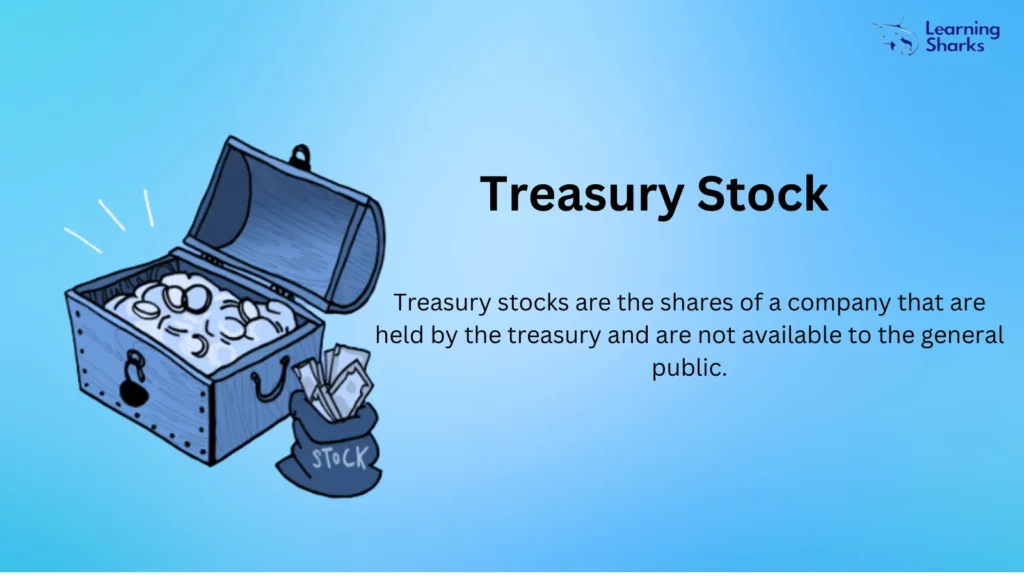
Treasury stocks are the portion of a company's shares that are held by its treasury and not available to the public.
Treasury Stock

Introduction

We will delve into the concept of treasury stock and its significance for businesses in this comprehensive guide. Treasury stock is defined as shares of a company’s stock that have been issued and then repurchased. This article aims to provide a comprehensive understanding of treasury stock, including its purpose, implications, and differences from outstanding shares. By the end, you will have a thorough understanding of this critical aspect of corporate finance.

What is Treasury Stock?

Treasury stock is stock that a company has purchased back from its existing shareholders. Treasury stock, unlike outstanding shares, which are actively traded on the market, is not available for public trading. It is instead held by the issuing company. Companies repurchase their own stock for a variety of reasons, including controlling ownership, increasing earnings per share, and distributing stock options to employees.

KEY TAKEAWAYS

  • Treasury stocks are the shares of a company that are held by the treasury and are not available to the general public.
  • Treasury stocks can be purchased from a company’s float or from shares that have never been issued to the public.
  • Treasury stock has no advantages because it does not have voting rights and does not pay dividends.
  • The advantages of treasury stock for a company include limiting outside ownership and having stock in reserve to issue to the public in the future if capital is required.

Reasons for Repurchasing Treasury Stock

A company may choose to repurchase its own stock for a variety of reasons, including:

  1. Capital Structure Management: Repurchasing treasury stock allows a company to adjust its capital structure by reducing the number of outstanding shares. This can lead to higher earnings per share, which can make the company more appealing to investors.
  2. Employee Incentives and Stock Options: Companies frequently use treasury stock to distribute stock options or other equity-based incentives to their employees. The company can ensure a sufficient pool of stock for such programs by repurchasing shares.
  3. Market Signals: A company repurchasing its own stock may signal to the market its confidence in its financial position and future prospects. This can have a positive impact on investor sentiment and potentially increase the value of the stock.
  4. Preventing Hostile Takeovers: Investing in treasury stock can serve as a defensive mechanism against hostile takeovers. The company can make a takeover more difficult and expensive by reducing the number of outstanding shares available to potential acquirers.

Key Differences between Treasury Stock and Outstanding Shares

Understanding the distinctions between treasury stock and outstanding shares is critical:

  1. Voting Rights: Typically, Treasury stock does not include voting rights. Because these shares are not available for public trading, they do not participate in the company’s decision-making processes.
  2. Dividends and Earnings: Companies do not pay dividends on treasury stock or calculate earnings per share (EPS). Because the shares are owned by the company, the profits associated with treasury stock are not distributed to shareholders.
  3. Retirement or reissuance: Treasury stock can be retired, reducing the number of outstanding shares indefinitely. Companies may also choose to reissue treasury stock in the future for stock-based compensation or other purposes.

Accounting Treatment of Treasury Stock

Several factors must be considered when accounting for treasury stock:

  1. Cost Method: The cost method is the most commonly used method of accounting for treasury stock. The treasury stock is recorded at the price paid to repurchase it under this method.
  2. Contra-Equity Account: Treasury stock is recorded on the balance sheet as a contra-equity account. It is deducted from the total shareholders’ equity of the company to reflect the reduction in outstanding shares.
  3. Disclosure Requirements: Companies must disclose their treasury stock holdings in the financial statements’ footnotes. This openness ensures that investors and stakeholders have access to pertinent information about the company’s share repurchases.

Pros and Cons

Pros:-

  • Capital Structure Management: Repurchasing treasury stock allows a company to adjust its capital structure by reducing the number of outstanding shares. This can lead to higher earnings per share (EPS) and make the company more appealing to investors.
  • Flexibility in Stock Utilization: Holding treasury stock allows a company to reissue shares in the future. This can be useful for a variety of purposes, including stock-based compensation programs and funding strategic initiatives.
  • Dividends: Treasury stock does not pay dividends. Companies can save on dividend payments by repurchasing shares, which can help with cash flow management and reinvestment in the business.
  • Market Perception: When a company buys back its own stock, it sends a positive signal to the market, indicating confidence in the company’s financial stability and growth prospects. This can boost investor sentiment and potentially increase the value of the stock.
  • Defensive Measure: Building up treasury stock can serve as a hedge against hostile takeovers. It can make a takeover more difficult and expensive by reducing the number of outstanding shares available to potential acquirers.

Cons:-

  • Opportunity Cost: The funds used to repurchase treasury stock could have been used to make other investments or grow the business. Companies must determine whether investing in their own stock yields higher returns than other forms of capital.
  • Shareholder Dilution: While treasury stock reduces the number of outstanding shares, existing shareholders may be diluted if the reissued shares are used for stock-based compensation or other purposes. Earnings per share and shareholder ownership percentages can be affected by dilution.
  • Limited Influence: Treasury stock has no voting rights, so it has little clout. Companies reduce their shareholders’ voting power by repurchasing shares. This may be a concern for investors who want to participate actively in decision-making processes.
  • Financial Risk: If a company repurchases a large amount of treasury stock but experiences financial difficulties or a decline in stock value, it may incur losses on its investment. Before undertaking large-scale share repurchases, companies must carefully assess their financial position and market conditions.
  • Market Misinterpretation: Excessive treasury stock holdings can be misinterpreted as a lack of investment opportunities or an indication of financial distress, depending on the context. This could lead to negative perceptions among investors and analysts, affecting stock performance.

Conclusion


Finally, treasury stock is important in corporate finance because it allows companies to repurchase their own shares on the open market. This article has provided a comprehensive understanding of treasury stock, including its purpose, implications, and distinctions from outstanding shares. Businesses can make informed decisions about their capital structure, shareholder value, and corporate governance by understanding the concept and significance of treasury stock.

FOR MORE INFO CLICK THIS SITE:https://learningsharks.in/

FOLLOW OUR PAGE:https://www.instagram.com/learningsharks/?hl=en

Understanding the Difference Between Preferred Stock and Common Stock

Introduction

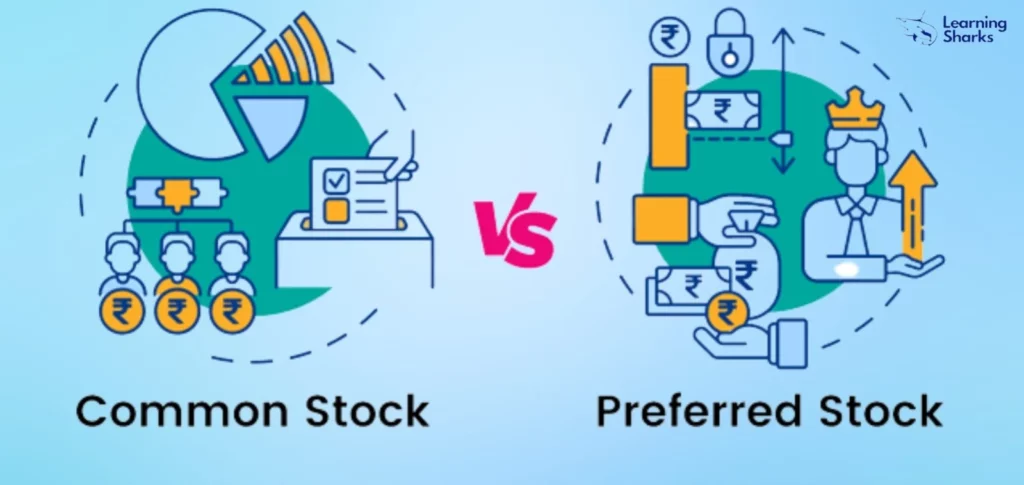
There are two types of stock that are commonly traded in the world of finance and investing: preferred stock and common stock. While both represent ownership in a company, they have distinct features that distinguish them. In this article, we will examine the differences, benefits, and implications for investors between preferred stock and common stock.

Preferred Stock: A Closer Look

Preferred stock is a type of stock in a corporation that has advantages over common stock. Let us look at some of its distinguishing characteristics:

  1. Priority for Dividends
    When it comes to dividend payments, preferred stock has a significant advantage over common stock. Preferred shareholders have first dibs on dividends, which are usually paid at fixed rates. This means that, even if the company is experiencing financial difficulties, preferred shareholders are entitled to their dividends before common shareholders.
  2. Fixed Dividend Yields
    In contrast to common stock, which pays variable dividends based on the company’s performance, preferred stock pays fixed dividend rates. These rates are predetermined and stated in the prospectus of the issuing company. Investors looking for a consistent income stream may find this stability appealing.
  3. Restricted Voting Rights
    Another distinguishing feature of preferred stock is that it frequently comes with limited or no voting rights. While common shareholders can vote on corporate issues such as board elections and major decisions, preferred shareholders typically play a more passive role in governance. This trade-off enables preferred shareholders to concentrate their efforts on income generation rather than decision-making.
  4. Liquidation Priority
    In the event of a company’s liquidation or bankruptcy, preferred shareholders receive their share of the company’s assets before common shareholders. This priority ensures that preferred shareholders, as opposed to common shareholders, have a better chance of recovering their investment.

Common Stock: A Comprehensive Overview

The most well-known and widely traded type of stock is common stock. It represents a company’s ownership and provides investors with several important benefits:

  1. The Right to Vote
    The right to vote on corporate matters is one of the primary benefits of common stock. Common shareholders can vote on major decisions such as the election of the board of directors and proposed changes to the company’s bylaws. This voting power gives ordinary shareholders a say in the company’s direction.
  2. Dividends that fluctuate
    Common stock, unlike preferred stock, does not guarantee fixed dividend payments. Dividends paid to common shareholders are variable and are determined by the company’s profitability and the board of directors’ decision. While this variability increases uncertainty, it also increases the possibility of higher returns if the company performs well.
  3. Appreciation of Capital
    As the company’s stock price rises over time, common stockholders can benefit from capital appreciation. When a company grows and profits, the value of its common stock rises, allowing investors to profit from the increase when they sell their shares. Because of the potential for capital gains, common stock is an appealing investment for those seeking long-term growth.
  4. Dividends and liquidation come last.
    While preferred shareholders receive dividends and liquidation proceeds first, common shareholders are last in line. Common shareholders receive their share only after preferred shareholders and other creditors have been satisfied in the event of financial distress or liquidation. Because of this lower priority, common shareholders face greater risk but also have the potential for greater rewards.

Conclusion


In summary, preferred stock and common stock are two distinct types of corporate ownership. Preferred stock has dividend priority, fixed dividend rates, limited voting rights, and liquidation priority, whereas common stock has voting rights, variable dividends, capital appreciation potential, and a lower position in the dividend and liquidation hierarchy. Understanding the distinctions between these two types of stock is critical for investors seeking to make informed decisions based on their financial objectives, risk tolerance, and desired level of participation in corporate governance.

Before making any investment decisions, whether you choose preferred stock or common stock, conduct thorough research, consult with a financial advisor, and consider your individual investment objectives.

FOR MORE INFO CLICK THIS SITE:https://learningsharks.in/

FOLLOW OUR PAGE:https://www.instagram.com/learningsharks/?hl=en

Comprehensive Guide to Preferred Stock: Understanding the Key Features and Benefits

A preferred stock is a class of stock that is granted certain rights that differ from common stock
Preferred Stock

Introduction


Preferred stock is a distinct investment vehicle that provides distinct benefits to investors seeking to balance the stability of fixed-income securities with the growth potential of equity investments. We will delve into the complexities of preferred stock in this comprehensive guide, exploring its key features, benefits, and how it differs from common stock. By the end of this course, you will have a thorough understanding of preferred stock and be well-equipped to make sound investment decisions.

Table of Contents

  • What is Preferred Stock?
  • Key Features of Preferred Stock
  • Types of Preferred Stock
  • Advantages and Benefits of Preferred Stock
  • Risks Associated with Preferred Stock
  • How to Evaluate Preferred Stock
  • Conclusion

What is Preferred Stock?

Preferred stock is a type of ownership in a company that falls somewhere between common stock and corporate bonds. Preferred stockholders do not have voting rights in the company, unlike common stockholders. They do, however, have first priority in receiving dividends and claiming assets in the event of a liquidation. Preferred stock is frequently regarded as a hybrid security, combining aspects of both debt and equity.

Key Features of Preferred Stock

1. Dividend Priority

The dividend priority of preferred stock is one of its main draws. Dividends are paid to preferred stockholders before common stockholders, ensuring a consistent stream of income. These dividends are typically fixed or set at a predetermined rate, providing stability to investors.

2. Limited Voting Rights

Preferred stockholders, unlike common stockholders, generally do not have voting rights in the company. This can be advantageous for investors who prefer to take a hands-off approach to decision-making. However, in exceptional circumstances, some preferred stock may include voting rights.

3. Callability

Preferred stock is frequently callable, which means that the issuing company has the right to redeem the shares at a predetermined price after a predetermined time period. This feature enables businesses to better manage their capital structure and refinance preferred shares if interest rates fall.

4. Priority in Asset Distribution

Preferred stockholders have a greater claim on the company’s assets than common stockholders in the event of liquidation or bankruptcy. Because of this priority, preferred stockholders receive their share of the company’s assets before common stockholders.

Types of Preferred Stock

Preferred stock comes in various forms, each with its own unique characteristics. The most common types include:

  • Preferred Stock Cumulative
    Cumulative preferred stock ensures that any missed dividend payments accumulate and must be paid to preferred stockholders before dividends are paid to common stockholders. This feature gives investors added security and increases the stability of their income stream.
  • Preferred Stock (Non-Cumulative)
    Non-cumulative preferred stock lacks the accumulation feature found in cumulative preferred stock. The missed payment does not accumulate if the issuing company fails to pay a dividend. Because missed dividend payments are not recoverable, this type of preferred stock carries a higher risk.
  • Preferred Stock with Convertibility
    Convertible preferred stock allows stockholders to convert their shares into a set number of common shares. This feature allows investors to profit from any future increase in the price of the company’s common stock. Convertible preferred stock allows you to participate in the upside potential of preferred stock while still enjoying the income stability.

Advantages and Benefits of Preferred Stock

Preferred stock offers several advantages and benefits to investors, including:

  • Consistent Income Stream
    Preferred stock’s fixed or predetermined dividend payments provide investors with a consistent income stream, making it an appealing option for income-seeking investors looking for consistent cash flow.
  • Capital Appreciation Prospects
    While preferred stock is best known for its ability to generate income, it can also provide capital appreciation. Investors can benefit from price appreciation if the market value of preferred stock rises.
  • Less volatile than common stock.
    When compared to common stock, preferred stock has lower price volatility. Because of its lower volatility, it is an appealing investment for risk-averse investors seeking stability in their portfolios.
  • Liquidation Priority
    During a company’s liquidation, preferred stockholders have a greater claim on its assets. Preferred stockholders have a better chance of recovering their investment than common stockholders in the event of bankruptcy or insolvency.

Risks Associated with Preferred Stock

While preferred stock offers numerous advantages, it’s essential to consider the associated risks:

  1. Interest Rate Risk
    Interest rate changes have an impact on preferred stock prices. When interest rates rise, preferred stock’s value may fall as investors seek higher-yielding alternatives.
  2. Call Risk
    The risk of early redemption by the issuing company is introduced by callable preferred stock. If interest rates fall, the company may decide to call and redeem the preferred stock, putting investors at risk of reinvestment.
  3. Subordination Risk
    Preferred stockholders rank lower than bondholders and other debt holders in the event of liquidation. If the company’s assets are insufficient to meet all outstanding obligations, this subordination increases the risk of loss.

How to Evaluate Preferred Stock

When evaluating preferred stock as an investment opportunity, consider the following factors:

  1. Dividend Yield: To evaluate the preferred stock’s attractiveness, compare its dividend yield to that of other income-generating investments.
  2. Credit Quality: Assess the creditworthiness and financial stability of the issuing company to determine the likelihood of missed dividend payments or defaults.
  3. Call Provisions: Understand the call provisions, including the call price and the potential impact on your investment if the shares are redeemed.
  4. Market Conditions: Consider the current interest rate environment and its potential impact on the value of preferred stock.

Conclusion


Preferred stock is a versatile investment vehicle that provides a unique combination of income stability and capital appreciation potential. Preferred stock, with its distinct characteristics such as dividend priority, limited voting rights, and callability, offers investors a flexible and diversified investment option. Investors can make informed decisions and achieve their financial goals by understanding the key features, benefits, and risks associated with preferred stock.

FOR MORE INFO CLICK THIS SITE:https://learningsharks.in/

FOLLOW OUR PAGE:https://www.instagram.com/learningsharks/?hl=en

20+ Best Whatsapp Groups for BankNifty Tips [For 2023]

You’re in the right place if you’re looking for Banknifty WhatsApp Group Links. You will find all different kinds of current bank nifty groups in this article.

Without a doubt, WhatsApp is the most widely used messaging app in the world. So, WhatsApp is your best alternative if you wish to join the vast array of Share Market Groups.

You may learn how to conserve money, generate residual income, make money online, understand bitcoin, and much more by joining these WhatsApp groups. You may quickly join these groups by clicking on the group links below.

1) Banknifty SuperExpress169

Link: https://chat.whatsapp.com/Co0aNKKbISR2RmNzz53za4

Most popular WhatsApp group. They offer calls in Index/Stock Futures, Stock Cash, and Options.

Banknifty SuperExpress169 is not an advising group that the SEBI has registered. 500 or so people joined this group. You can sign up for a premium subscription here.

2) SS Traders Nifty-1

Link: https://chat.whatsapp.com/JqQTVQlfKXNIZOg6dFnZHo

You’ll receive daily BankNifty calls if you’re in this group. All posts are meant to be educational and to spread knowledge.

3) Banknifty Lover1609

Link: https://chat.whatsapp.com/EvIuh5XaLMk7n7hs10yDxI

You will receive daily stock and intraday Nifty investment ideas. This group can be helpful if you are new to trading and want to learn about portfolio management.

4) ALFA OFFICIAL BANKNIFTY

Link: https://chat.whatsapp.com/DV2LQwh430C0osMFkhZNEG

On WhatsApp, Alfa Official Banknifty is among the greatest groups. They provide the most effective strategies and tactics for profitable stock market investing.

5) PRIME TRADERS NIFTY 2

Link: https://chat.whatsapp.com/HRL00MgHjXnKBGa5uCQ2zq

This organisation offers affordable premium membership. Every day, they publish one free stock option call and provide updates on whether to close the transaction early or book profits.

6) S. P. TRADERS_NIFTY_3

Link: https://chat.whatsapp.com/KDkUPSlAbw217snDMh7aZn

Whatsapp group S. P. Traders_Nifty is devoted to the stock market. Get professional advice on positional trading, futures & options, intraday trading, and the nifty and bank nifty.

7) Learn nifty banknifty

Link: https://chat.whatsapp.com/EmP4LqweByqHXh6DefpT6i

Study nifty banksYou can join the trustworthy trading group nifty. They provide daily intraday equity and nifty calls. There are about 400 happy members of the organisation.

8) Banknifty Super Blast 209

Link: https://chat.whatsapp.com/GSOyQKpxTaRC1I28HubZ2F

a different well-known stock trading group. This group actively offers investment calls. They offer stock trading assistance and ideas from industry professionals. We advise you to join this club if you’re looking for the most recent stock market trends.

9) Sagar – banknifty trial

Link: https://chat.whatsapp.com/J313Rh5KuY20WxNSYDzcTm

All requests for training and educational reasons are accommodated in this group. You will receive daily free calls as well as nifty and banknifty updates.

10) Bank Nifty SuperExpress158

Link: https://chat.whatsapp.com/KHRuS0EBkvg49pioIexSux

BNP Paribas Another WhatsApp group you may join is SuperExpress. They frequently sell equity and options calls and have call accuracy of about 90%.

11) JACKPOT TRADING

Link: https://chat.whatsapp.com/KV7GUhKHSIPFfNplH2cT8N

One of the reliable WhatsApp groups you must join is Jackpot Trading. Provided are nifty, bank nifty, and option calls. There are now more than 400 members of this club.

12) BankNifty50 only education

Link: https://chat.whatsapp.com/invite/EZzhT900HZeDGArLIzjNAX

The most well-liked WhatsApp group solely provides calls and tools for learning. furthermore offers 1 call each day for the banknifty and nifty.

13) THE STOCKS BULL 

Link: https://chat.whatsapp.com/invite/FkAi3ZlQTcYEEeaSjy1kaH

For the objective of earning wealth, join this group. This research solely relies on technical investigation and basic research.

14) Vijay stock market 

Link: https://chat.whatsapp.com/invite/INEUNN8L7kb5nirTUxo7y4

The most recent stock market news and trends are available in this section. They deliver consistent calls that are highly accurate. Trading requires little capital.

15) Only Target 214

Link: https://chat.whatsapp.com/invite/KJyhzldK1p0K6KRVYgxwN7

The only top WhatsApp group is Target 214. They provide accurate updates and calls. You may obtain professional guidance on trading futures, options, stocks, and equity options as well as bank nifty options here.

16)  TRENDING NIFTY TRADERS 

Link: https://chat.whatsapp.com/invite/IxxiZavVCmcHqv1OSgjGBl

This channel’s main goal is to teach traders of all experience levels how to trade options profitably. Additionally, they offer professional opinions on the BankNifty and Stock options with 1-2 daily BankNifty calls. In addition, they frequently update on the calls made in the group.

17) Banknifty jackpot 

Link: https://chat.whatsapp.com/invite/JRkAC2QKP04G4VeM4yoPSd

A Whatsapp group for intraday trading is called Banknifty. They offer a variety of trading calls, such as stock options and bank nifty. In this category, you will also find premium services and market analyses.

18) Nifty trading

Link: https://chat.whatsapp.com/invite/EbpczeGEAGpIeuMn6sTjOb

For banknifty option calls, the nifty trading club is the one to join. They offer the appropriate entry level and exit level. In this case, you will receive a daily return on your investment of 10%–15%, and the entry-level salary is Rs.25–30,000.

19) NIFTY/BANKNIFTY OPTION

Link: https://chat.whatsapp.com/invite/Exw45jydOhkDyErYwQ6RWj

Another WhatsApp group for the stock market is NIFTY/BANKNIFTY OPTION. They offer consistently accurate daily Banknifty calls. With their calls, you can benefit handsomely.

20) BANKNIFTY 100 POINT MINIMUM

Link: https://chat.whatsapp.com/invite/LxdSsaIugKf5CpI7RxoX9e

As the name implies, Banknifty 100 Point Minimum offers 100% free intraday trading advice and calls. They provide stock intraday calls, futures calls, and BankNifty option calls.

21) RANJANI BANKNIFTY

Link: https://chat.whatsapp.com/DkzdS0TKTiB3cCHut9Ngua

The perfect group for you is RANJANI BANKNIFTY if you enjoy index and stock options. They offer free calls, including BankNifty call options, with open targets and up to 90% accuracy.

22) BankNifty Options Free Alerts

Link: https://chat.whatsapp.com/DVn9K37tSy4DDSVRMKuh1j

Another reliable WhatsApp stock market community. It is one of the best channels to subscribe to because they publish content on a variety of topics, such as trade calls, YouTube videos, strategies, market trends, chart analysis, and free webinars.

This group’s administrator is certified by NISM in investment advisory, research analysis, and the equity and derivatives trading modules.

23) ARPIT BANKNIFTY 

Link: https://chat.whatsapp.com/FFvySgQTyql8LdwiuoTQ4X

one of the Whatsapp groups with the quickest growth. They are the best for Bank Nifty trading tips and tactics even though they are not SEBI registered. You will receive live chart analysis and the best setup for trading, purchasing, and selling ideas in this group.

FOLLOW OUR WEBSITE: https://learningsharks.in/

FOLLOW OUR PAGE: https://www.instagram.com/learningsharks/

Comprehensive Guide to Understanding the Commodity Market

A commodity market involves buying, selling, or trading a raw product, such as oil, gold, or coffee.
Commodity Market

Introduction


Welcome to our comprehensive commodity market guide, where we delve into the complexities of this dynamic and lucrative sector. We are committed, as industry experts, to providing you with valuable insights and detailed information that will help you gain a competitive edge in the commodity trading landscape.

What exactly is the Commodity Market?


The commodity market is a marketplace for the purchase and sale of various raw materials or primary agricultural products. Precious metals, energy resources, agricultural products, and other items are examples of commodities. Commodity traders and investors use commodity trading to profit from price fluctuations, hedge against risks, and diversify their investment portfolios.

Types of Commodities

1. Agricultural Commodities

Crops, livestock, and other related products are examples of agricultural commodities. Grains (such as wheat, corn, and soybeans), livestock (such as cattle and hogs), and soft commodities (such as coffee, cocoa, and cotton) fall into this category. Weather, government policies, and global demand all have a significant impact on agricultural commodity prices.

2. Energy Commodities

Energy commodities include all resources used to generate energy. Energy commodities include crude oil, natural gas, coal, and electricity. Geopolitical factors, production levels, technological advancements, and environmental regulations all have an impact on energy markets. Understanding these influences is critical for profitable trading in this industry.

3. Metals Commodities

Precious metals such as gold, silver, and platinum, as well as industrial metals such as copper, aluminum, and steel, are examples of metal commodities. These commodities play critical roles in a variety of industries and are influenced by supply and demand dynamics, geopolitical tensions, economic indicators, and global infrastructure development.

4. Other Commodities

Aside from agricultural, energy, and metals commodities, the market trades a variety of other commodities. Among these are, but are not limited to:

  • Soft commodities include products such as sugar, coffee, cotton, and cocoa.
  • Livestock and meat: Products traded include lean hogs, pork bellies, and live cattle.
  • Precious stones: These include diamonds, rubies, emeralds, and other gemstones.
  • Chemicals: This sector includes industrial chemicals such as fertilizers, plastics, and solvents.
  • Timber: Wood and timber products are also traded commodities.

Understanding Commodity Trading

1. Spot Market vs. Futures Market

In commodity trading, there are two primary types of markets: spot market and futures market.

  • Spot Market: Commodities are bought and sold on the spot market for immediate delivery. Spot market prices are influenced by supply and demand, as well as other market conditions.
  • Futures Market: The futures market is where commodity contracts for future delivery are traded. These contracts specify the commodity’s quantity, quality, and delivery date. Futures markets offer opportunities for price hedging and speculation.

2. Key Participants in Commodity Trading

Several key participants contribute to the functioning of the commodity market. These participants include:

  • Producers: Individuals or businesses involved in the production and extraction of commodities are referred to as producers.
  • Consumers: Consumers are entities who need commodities for consumption or further processing.
  • Traders: People or businesses who buy and sell commodities in order to profit from price fluctuations.
  • Speculators: Market participants who seek to profit from price changes but do not intend to own the commodities.
  • Commodity Exchanges: Marketplaces for traders and investors to trade standardized commodity contracts.

3. Factors Affecting Commodity Prices


A variety of factors influence commodity prices. Among the significant factors are:

  • Supply and Demand: The supply-demand balance is critical in determining commodity prices.
  • Economic Indicators: Commodity prices are influenced by economic indicators such as GDP growth, inflation rates, and interest rates.
  • Geopolitical Factors: Warfare, conflict, trade policies, and sanctions all have an impact on commodity markets.
  • Weather Conditions: Natural disasters and seasonal variations have an impact on agricultural commodities.
  • Currency Exchange Rates: Changes in exchange rates can have an impact on commodity prices, particularly for commodities traded internationally.

Benefits and Risks of Commodity Trading

Benefits

  1. Diversification: Commodities offer an opportunity to diversify investment portfolios beyond traditional asset classes such as stocks and bonds.
  2. Inflation Hedge: Historically, certain commodities, such as gold, have served as a hedge against inflation.
  3. Profit Opportunities: Price volatility in the commodity market provides opportunities for traders to profit.
  4. Risk Management: Commodity futures contracts can be used by producers and consumers to hedge against price risks.

Risks

  1. Price Volatility: Commodity prices can be volatile, resulting in potential losses.
  2. Market Complexity: Commodity markets are influenced by a variety of factors, making them difficult to analyze and predict.
  3. Regulatory Risks: Changes in government policies, regulations, or trade agreements can all have an impact on commodity markets.
  4. Operational Risks: Logistics, storage, and transportation issues can all have an impact on physical commodity trading.

Conclusion


Finally, the commodity market provides a wide variety of trading opportunities in agricultural, energy, metals, and other commodities. Understanding the nuances of this market is critical for traders and investors looking to capitalize on price movements while effectively managing risks. By utilizing our comprehensive guide, you are now equipped with the knowledge to confidently navigate the commodity market and make informed trading decisions.

FOR MORE INFO CLICK THIS SITE:https://learningsharks.in/

FOLLOW OUR PAGE:https://www.instagram.com/learningsharks/?hl=en

Understanding Common Stock

Common stock is a financial asset which represents ownership of a company
common stock

Introduction


Welcome to our comprehensive guide to understanding common stock, one of the most popular financial investment vehicles. We will delve deep into the complexities of common stock in this article, providing you with valuable insights and empowering you to make informed investment decisions. This guide will provide you with the knowledge you need to navigate the world of common stock investments, whether you are a seasoned investor or just starting out.

What exactly is common stock?


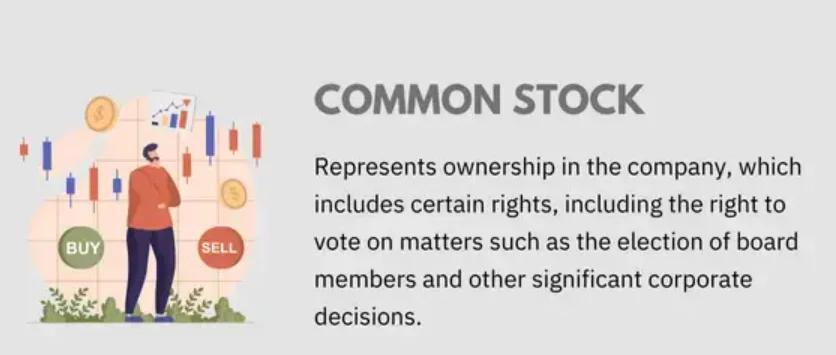
Common stock represents ownership in a corporation and confers certain rights and privileges on shareholders. When you buy common stock, you become a part owner of the company, entitle to a portion of its profits and the right to vote on corporate matters. It is worth noting that common stockholders have a lower claim on assets and earnings than bondholders and preferred stockholders.

Key Features and Characteristics

Dividends

The ability to receive dividends is one of the primary advantages of owning common stock. Dividends are payments made to shareholders from a company’s profits. However, it’s important to remember that not all companies pay dividends, and those that do may vary in terms of frequency and amount.

Voting Rights


Common stockholders have voting rights, which allow them to participate in important company decisions. These decisions may include electing the board of directors, approving mergers and acquisitions, and voting on other major corporate issues. Each stockholder’s number of votes is usually proportional to the number of shares they own.

Capital Appreciation


The potential for capital appreciation in common stock allows investors to profit from an increase in the stock’s price over time. The stock market fluctuates, and the value of common stock can rise or fall depending on a variety of factors such as company performance, industry trends, and market conditions.

Limited Liability


Investing in common stock limits an investor’s liability. This means that shareholders are generally not personally liable for the corporation’s debts or legal obligations. Common stockholders are typically the last to receive payment after creditors, bondholders, and preferred stockholders in the event of bankruptcy or financial distress.

Common Stock Evaluation


When considering a common stock investment, it is critical to conduct extensive research and analysis to determine its potential value. Here are some important factors to consider:

Company Financials


An examination of a company’s financial statements, such as its balance sheet, income statement, and cash flow statement, can reveal important information about its financial health. Revenue growth, profitability, debt levels, and cash flow stability are all important metrics to consider.

Industry Analysis


Understanding a company’s industry is critical for assessing its competitive position and growth potential. Market trends, competition, and the regulatory environment can all have a significant impact on a company’s long-term prospects.

Management Team


The management team’s competence and experience are critical to a company’s success. Investigating key executives’ backgrounds, track record, and strategic vision can provide insights into the company’s leadership quality.

Competitive Advantage


Understanding a company’s ability to maintain profitability and grow over time requires assessing its competitive advantage. Unique intellectual property, strong brand recognition, and economies of scale can all help a company gain a competitive advantage.

Risks Associated with Common Stock Investments


It is critical to recognize that investing in common stock entails certain risks. The following are some of the most common risks associated with common stock investments:

Market Volatility


The stock market is volatile, and the value of common stock can fluctuate dramatically. Market volatility can be influenced by economic conditions, geopolitical events, and investor sentiment.

Business and Financial Risks


Investing in common stock exposes shareholders to the inherent risks of the underlying business. Risks can include industry-specific challenges, shifts in consumer preferences, technological disruptions, and management blunders.

Risk of Liquidity


Although common stock is generally regarded as a liquid investment, there may be times when it is difficult to sell shares quickly at the desired price. Liquidity risk should be considered, especially when investing in less actively traded stocks.

Pros and Cons

Pros:-

  • High Return Potential: Common stock investments have the potential for significant returns, particularly when invested in well-performing companies. Investors can benefit from capital appreciation as the value of the stock rises.
  • Ownership and Voting Rights: When you buy common stock, you become a part-owner of the business. This ownership gives you certain rights, such as the ability to vote on major corporate decisions such as director elections and major policy changes.
  • Dividend Income: Many businesses pay out a portion of their profits to shareholders as dividends. Investing in common stock allows you to receive regular dividend payments, which can be a source of additional income.
  • Liquidity: Common stock is considered a liquid investment because it can be bought and sold on the stock market relatively easily. This gives investors the freedom to enter and exit positions as needed.
  • Diversification: Common stock investments allow investors to diversify their funds by allocating them across different companies and industries. By spreading investments across multiple assets, diversifying a portfolio can help reduce risk.

Cons:-

  • Market Volatility: Investments in common stocks are subject to market fluctuations. Stock prices can fluctuate dramatically due to a variety of factors such as economic conditions, market sentiment, and company-specific news. This volatility has the potential to cause losses.
  • Risk of Loss: Investing in common stock carries the risk of losing the entire investment if the company performs poorly or runs into financial difficulties. Common stock, unlike bonds or other fixed-income securities, does not guarantee a return on investment.
  • Limited Claim on Assets: Common stockholders have a lower claim on a company’s assets than bondholders and preferred stockholders in the event of bankruptcy or liquidation. This means that if a company goes bankrupt, common stockholders may receive little or no compensation.
  • Lack of Control: Individual investors often have little influence over the company’s operations and decision-making processes, despite having voting rights. Large institutional investors or company insiders typically hold the majority of voting power.
  • Uncertainty about Dividends: Not all companies pay dividends, and those that do can change their dividend policies over time. There is no guarantee that a company will continue to pay dividends, and dividend amounts can fluctuate depending on the company’s financial performance.

Conclusion


To summarize, understanding common stock is critical for any investor interested in investing in the stock market. You can make informed investment decisions by understanding the key features, effectively evaluating stocks, and being aware of the associated risks. Remember to invest in common stock with a long-term mindset and a well-diversified portfolio. You are now better equipped to navigate the world of common stock investments after reading this guide.

FOR MORE INFO CLICK THIS SITE:https://learningsharks.in/

FOLLOW OUR PAGE:https://www.instagram.com/learningsharks/?hl=en