
Name: Ayaan Valiulla
Status: Completed
ID: LS151CE
Type: Shark Trader Course
Completion Date: 07-07-23
Learning sharks-Share Market Institute


In the stock market, positional trading refers to a trading strategy in which traders hold positions in stocks or other financial instruments for a lengthy period of time, ranging from days to weeks or even months. Unlike day trading, when positions are often opened and closed on the same trading day, it is not the same as day trading.
Trading positions involves identifying stocks with potential for long-term development or value by analysing a variety of criteria, including fundamental analysis, technical analysis, market movements, and other pertinent information. Instead of focusing on short-term price changes, they seek to profit from larger market trends and movements.
Positional traders often have a longer time horizon for their investments and are prepared to endure brief market changes in order to realise big profits. To control their risk and safeguard their wealth, they frequently define precise profit objectives and stop-loss limits. Trading positions needs the capacity to hold positions despite market volatility as well as persistence, discipline, and patience.
Chart patterns, trend analysis, moving averages, and indicators are just a few of the tools and techniques traders might employ to support their positional trading decisions. To make wise investment selections, they may also take macroeconomic variables, business financials, market trends, and current events into account.
Positional trading carries risks, thus before implementing this technique, traders should carefully consider their investment objectives, risk tolerance, and market circumstances. Before engaging in any trading or investment activity, it is always advised to get the advice of a financial professional or perform extensive research.
In conclusion, positional trading is a style of trading in the stock market where investors take long-term positions in securities such as stocks or other financial instruments in an effort to profit from major price changes over longer-term market trends. It has a number of benefits, including the possibility for greater revenues, lower transaction costs, and a less time-consuming method. The exposure to long-term dangers, cash requirements, opportunity cost, and emotional difficulties are some drawbacks to take into account. Before using a positional trading strategy, traders should carefully assess these elements, as well as their own risk appetite and investment objectives. It’s crucial to remember that investing on the stock market carries dangers, therefore getting expert counsel or doing extensive study is advised before making any financial decisions.
FOLLOW OUR WEBSTIE: https://learningsharks.in/
FOLLOW OUR PAGE: https://www.instagram.com/learningsharks/

Use this link to apply if you’re seeking for stock market employment and want to start trading as a career.
For the company they work for, a technical analyst, also known as a market technician, is responsible for analysing the stock market and investment opportunities. They are in charge of analysing the stock market, forecasting investment return rates, and looking into potential investment opportunities. Go here to apply for a job as a technical analyst here.
Companies that rely on the stock market and other investment choices as a source of capital expansion frequently employ technical analysts. Technical analysts apply their expertise by assisting business executives in choosing the best assets for the company’s money in order to optimise growth or protection. The majority of a technical analyst’s work is frequently spent evaluating market data to aid in the creation of reports and presentations for their company.
Market research analysts are typically in charge of gathering and compiling competitor and customer data for businesses. Analysts evaluate this data to deliver valuable insights to their employers or clients. To assist a buyer in choosing what to purchase on the stock market, a research analyst may look at the performance history of a company or stock.
Additionally, they could conduct research to aid businesses in undertaking initiatives like expansion and IPOs.Equity and stock performance are influenced by supply and demand factors and frequently resemble goods or commodities. To successfully navigate a market at any given time, market research analysts use their awareness of these market dynamics to develop carefully curated investment portfolios and financial strategies.
To apply for a position as a market research analyst, click here.
Dealers’ main responsibilities include buying, holding, and trading in stocks on stock exchanges. In an effort to turn a profit, they try to buy stock before demand rises and sell it to prospective purchasers at higher prices. A dealer enters into transactions for their own financial gain and benefit. However, a broker just arranges these deals in order to get paid a commission. Dealers do business and typically operate on a larger scale, which distinguishes them from traders.
For instance, a trader might buy 100 shares of a stock, sell them all for a minor profit, and then decide whether to withdraw or reinvest the gains. A dealer, on the other hand, purchases a considerably greater quantity of the stock (say 10,000 shares) and engages in transactions with numerous other dealers and buyers in order to make a far higher profit. These profits might be used mostly for stock purchases and new investments.
Use this site to apply for a job as an equity dealer.
Primary responsibilities: Stock market traders are those who regularly buy and sell stocks and other securities to gain money. To maximise profits, they strategize, pinpoint entry and departure points for share values, and execute the required trades. They operate differently from investors since they aim to make money off of momentary fluctuations in the market. To maximise their profits, investors frequently create long-term financial strategies and start with more money than traders. Trading is extremely dangerous but has a great earning potential.
Investment consultants’ primary responsibility is to give clients wise advise on investments based on their understanding of market and equity movements. Depending on their investing strategy, investors may anticipate either short-term or long-term financial rewards. Investment advisors are familiar with their clients’ particular financial objectives and can provide useful information on stock prices, stock performance, corporate reputation, and performance history. They aid investors in comprehending their financial situation and the effects of their choices. To evaluate their clients’ investment objectives, they could work alone or in partnership with banks or other financial organisations.
Use this site to apply for an investment consultant position.
Financial data must be gathered, organised, and analysed by financial analysts in order to produce projections, monitor indicators, and build simulations or financial models. Analysts are usually needed by businesses when making important financial choices. Before making significant investments, analysts give their clients insights and inferences to help them completely understand the market environment. Professionals in this field may work for an organisation full-time or on their own.
Visit this website to apply for a job as a financial analyst.
Professionals known as fundamental analysts investigate a business, a stock, or a market in-depth to identify any inherent value or potential risks related to financial decisions and transactions. To gain these insights, they may investigate a variety of variables and indicators, including monetary stability, growth potential, total capital, return on equity, and profit margins.
Use this page to apply for a fundamental analyst position.
Risk analysts’ main responsibilities include assisting clients and companies in determining the financial and practical effects of important business decisions. They research market trends and client financial records on behalf of businesses to ascertain the risks associated with doing business with them. Companies and investors generally require their grasp of the stock market when they want to drastically alter their holdings or portfolios. Before providing recommendations, risk analysts carefully consider the advantages and disadvantages of a company’s status to give an objective picture.
job as a risk analyst, Utilise this link
Primary responsibilities: Investment banking is a branch of banking activity that aids in raising capital and resources for operations for businesses or individual investors. In order to assist clients in achieving their financial objectives, financial and economic specialists that work in this field develop blueprints and plans of action. They may serve as a consultant and offer guidance, or they could serve as a middleman to help transactions proceed in a sensible, well-thought-out manner.
Use this site to apply for a job as an investment banker.
FOLLOW OUR WEBSTIE: https://learningsharks.in/
FOLLOW OUR PAGE: https://www.instagram.com/learningsharks/
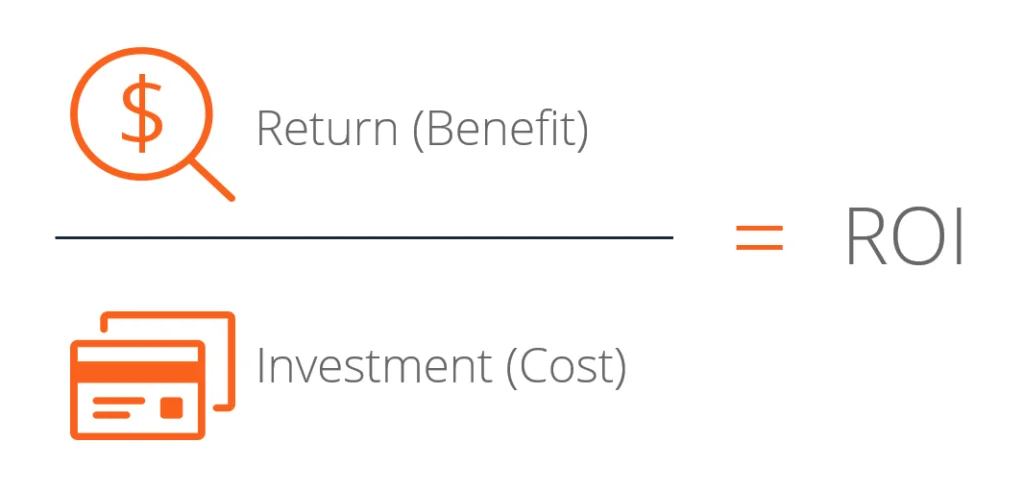
Return on investment (ROI) is a performance metric used to assess an investment’s efficiency or profitability or to compare the efficiency of several investments. ROI attempts to directly measure the amount of return on a specific investment in relation to its cost.
To calculate ROI, divide the benefit (or return) of an investment by the cost of the investment. The result is expressed as a percentage or a ratio.
Before we get into the strategies, let’s first define ROI. Return on Investment (ROI) is a financial metric used to assess the profitability of an investment in relation to its cost. It is a ratio that compares the gain or loss on an investment to its initial outlay.
ROI = (Net Profit / Cost of Investment) * 100
The higher the ROI percentage, the more profitable the investment. Let us now look at the key factors that contribute to maximizing ROI.
Thorough financial analysis and planning are required to maximize ROI. A thorough analysis enables you to identify potential investment opportunities, assess risks, and allocate resources effectively. By utilizing comprehensive financial data, you can make informed decisions and reduce the likelihood of financial setbacks.
Diversifying your investment portfolio is essential for risk management and maximizing returns. Rather than putting all of your eggs in one basket, diversify your investments across asset classes such as stocks, bonds, real estate, and commodities. This strategy safeguards your capital against market fluctuations and ensures that any losses in one area are offset by gains in another.
For maximizing ROI, staying current with market and industry developments is essential. By keeping an eye on market conditions, consumer trends, and emerging technologies, you can spot new investment opportunities and seize profitable ones before your rivals. In the constantly shifting business environment, being proactive and adaptable will give you a significant competitive advantage.
In the current digital era, utilizing technology effectively is essential for maximizing ROI. Accept innovative hardware and software programs that increase productivity and offer insightful data. Artificial intelligence, automation, and data analytics can completely change the way you manage your investments and find untapped opportunities.
To protect your investments, prudent risk management and emergency planning are needed. Develop risk-mitigation strategies, identify potential threats, and conduct a thorough risk assessment. This proactive approach ensures the continuation of your investment endeavors and lessens the impact of unforeseen events.
Your investment strategy and return on investment can be significantly enhanced by consulting with seasoned industry experts. Work with professionals who have a wealth of knowledge about your industry and a track record of success. Their expertise can help you make wise decisions, stay clear of common pitfalls, and get the most out of your investment.
To maximize return on investment, it is essential to regularly monitor and assess the performance of your investments. Create key performance indicators (KPIs) and carefully monitor them. Analyze the information, pinpoint areas that require improvement, and adjust your strategies as necessary. You can continuously improve your ROI and make data-driven decisions using this iterative methodology.
FOR MORE INFO CLICK THIS SITE:https://learningsharks.in/
FOLLOW OUR PAGE:https://www.instagram.com/learningsharks/?hl=en

There are numerous websites that provide free stock market courses:
If you’re interested in learning more about the stock market or investing, these courses can be an excellent place to start, but they might not provide you a thorough understanding of the subject. It is crucial to approach free online courses cautiously and to add more research and diligence to your learning.
The quantity of information and support you require, along with your goals, will determine whether you should enrol in a free or paid stock market course. Here are some things to think about:
The choice between a free or paid stock market course depends on your objectives, the calibre of the course material, and the degree of help you require. A free course may be a suitable choice if you are just starting out and want to gain a fundamental grasp of the stock market. A paid course would be a wiser investment, though, if you’re serious about investing and want a more thorough grasp.
The following websites provide free online stock market education:
Note: In addition to offering free courses, some websites might also offer premium courses. To make sure that the courses you select are of excellent quality and in line with your learning objectives, it is crucial to thoroughly examine the course content and instructors.
FOR MORE INFO CLICK THIS SITE: https://learningsharks.in/
FOLLOW OUR PAGE: https://www.instagram.com/learningsharks/?hl=en

In India, trading in the stock market is restricted to a certain window of time. These transactions must be carried out by retail customers through a brokerage firm on weekdays from 9.15 am to 3.30 pm. The majority of investors buy and sell securities listed on Bombay Stock Exchange (BSE) and National Stock Exchange (NSE), two of India’s major stock exchanges. Both of these significant stock exchanges’ Indian stock market timings are the same.
The duration of this session is from 9:00 am to 9:15 am. During this time, any securities may be bought or sold by order. It can be divided into three sessions further:
Orders for any transaction may be placed during this time of day when the Indian stock market opens. When actual trading starts, the order entry is given preference because these orders are cleared off first. Investors benefit from the ability to modify or cancel any orders placed during this time period because orders cannot be placed after this 8-minute window during the pre-opening session.
The price of a security is determined by this section of the Indian stock market timing. In order to ensure accurate transactions between investors looking to buy or sell a security, demand and supply prices are matched in order. The multilateral order matching system is used to determine the final prices at which trading will start during the regular trading hours of the Indian stock market.
During a typical session of the Indian stock market timing, price matching orders are crucial in determining the price at which the security is traded.
Benefits of changing an existing order, however, are not accessible at this time.
Preopening and regular Indian share market hours are transitioned during this time. During this time, no more transaction orders may be made. Additionally, bets already placed between 9.08 and 9.12 a.m. cannot be cancelled.
The main trading hours for the Indian stock market are from 9.15 am to 3.30 pm. Bilateral order matching governs all transactions during this time, and supply and demand forces are used to determine prices.
Due to the volatility of the bilateral order matching system, there are numerous market fluctuations that ultimately affect security prices. The multi-order system was developed for the pre-opening session and implemented in Indian stock market timings to reduce this volatility.
In India, the stock market closes at 3.30 p.m. After this time, no more transactions are made. But during this time, the closing price is decided, and this has a big impact on the opening security price the next day.
The closing price is determined by taking the weighted average of prices for securities traded on a stock exchange between 3 and 3.30 p.m. Weighted average prices of listed securities are taken into consideration when calculating the closing prices of benchmark and sector indices like Nifty, Sensex, S&P Auto, etc.
Bids for the next day’s trade can be placed during this time after the stock market closes. If sufficient buyers and sellers are present in the market during this time, bids submitted during this period are confirmed. Regardless of changes in the opening market price, these transactions are completed at the agreed-upon price.
Therefore, if an investor who has already placed bids sees their opening price exceed the closing price, they can realize capital gains. During the brief window from 9.00 a.m. to 9.08 a.m., bids may be canceled if the closing price is higher than the opening share price.
| S. No. | Name | Time |
| 1. | Pre-opening session | 9.00 a.m. – 9.15 a.m. |
| 2. | Normal session | 9.15 a.m. – 3.30 p.m. |
| 3. | Closing session | 3.30 p.m. – 4.00 p.m. |
After this window of time. There can be no transactions. Investors can place orders for selected companies’ securities in the aftermarket, which will be filled at the following day’s opening market price.
Given that Diwali is a national religious holiday, the Indian stock market is typically closed for all transactions on that day. However, the market only opens for an hour on Diwali every year. This year, a one-hour trading session will be held on October 24, 2022, from 6.15 pm to 7.15 pm because it is regarded as lucky.
FOR MORE INFO CLICK THIS SITE:https://learningsharks.in/
FOLLOW OUR PAGE:https://www.instagram.com/learningsharks/?hl=en

Although they have received a lot of attention in the financial world, traditional equities are not the same as cryptocurrencies and other digital assets. Cryptocurrencies and digital assets are typically decentralised digital currencies or tokens that run on blockchain technology, unlike stocks, which reflect ownership in a corporation.
Bitcoin, Ethereum, and other cryptocurrencies have grown in popularity as investment vehicles for both retail and institutional investors. They may provide benefits including decentralisation, security, and the opportunity for substantial rewards. It’s important to realise, though, that investing in cryptocurrencies can carry risks as well, including as market volatility, regulatory uncertainty, and possible security flaws.
Despite the fact that cryptocurrencies themselves are not traded on conventional stock markets, there are a few methods to invest in them indirectly through certain investment vehicles. For instance:
Prior to investing in cryptocurrencies or any other digital asset, it is crucial to carry out careful study and due diligence. Before making any investment decisions, it is essential to speak with a financial expert and think about your risk tolerance because the cryptocurrency market may be extremely volatile and subject to significant price swings.
Investors purchase and sell shares of publicly traded corporations on the stock market. These shares can be traded between buyers and sellers on the stock market. Here is a basic explanation of how the stock market operates:
In conclusion, there are several benefits to investing in stocks, such as the chance for capital growth, company ownership, portfolio diversity, and liquidity. It can be a tool for building long-term wealth and a way to take part in business expansion.
There are drawbacks to think about though. The stock market can be unpredictable, prone to hazards, and call for close observation and emotional control. To make well-informed investment decisions, you need to devote time, energy, and research. Due to the possibility of stock prices falling, businesses experiencing difficulties, and investments being impacted by other variables outside the control of the investor, there is also the possibility of financial loss.
FOR MORE INFO CLICK THIS SITE: https://learningsharks.in/
FOLLOW OUR PAGE: https://www.instagram.com/learningsharks/?hl=en

For businesses looking to increase their reach and maximize profitability in today’s fiercely competitive global market, effective foreign trade strategies are crucial. This in-depth guide explores the crucial elements that lead to prosperous international trade, offering insightful analysis and helpful advice to give your company a competitive edge. You can improve your international business operations and outrank your rivals on search engine results pages (SERPs) by putting the tactics described in this article into practice.
Global business expansion and development are greatly influenced by foreign trade. It gives businesses the ability to access new markets, reach a larger customer base, and take advantage of cost savings. Businesses can access resources, technologies, and expertise that might not be easily accessible in their domestic markets by engaging in international trade. In addition, international trade promotes economic expansion, opens up job opportunities, and solidifies diplomatic ties between nations.
Finding lucrative market opportunities that complement your company’s objectives and strengths is essential if you want to outperform your rivals in international trade. To gain insights into consumer demands, market trends, and potential competitors, thorough market research is imperative. You can find gaps, niches, or underserved markets that offer lucrative opportunities for your company by studying market dynamics.
To enter new markets and gain a firm foothold, a well-defined market entry strategy is essential. Consider factors like market size, competitive environment, regulatory environment, and cultural nuances when developing your strategy. Depending on your resources and goals, select the best market entry strategy, such as licensing, joint ventures, exporting, or establishing subsidiaries.
Success in international trade is largely dependent on building and maintaining strong bonds with partners, suppliers, and distributors abroad. Work with reputable partners who are familiar with the market, have established distribution channels, and have a good track record. Establishing trust and keeping lines of communication open can improve collaboration, reduce risks, and facilitate more seamless trade transactions.
Effective marketing strategies are essential in the digital age for outranking rivals and grabbing the attention of your target audience. Utilize different digital marketing channels, including SEO, social media marketing, content marketing, and email marketing, to raise brand awareness, increase website traffic, and produce high-quality leads. Create engaging and educational content that appeals to your audience while incorporating pertinent keywords to raise your position in search results.
To avoid fines, snags, and reputational harm, compliance with international trade laws and legal frameworks is essential. Keep abreast of import/export laws, customs processes, and trade agreements that are pertinent to your target markets. Hire legal consultants or experts to make sure your company operates within the law and makes use of any trade incentives or benefits offered.
Foreign trade is a dynamic and constantly changing environment, necessitating constant strategy adaptation on the part of businesses. Continually evaluate your performance, keep an eye on market trends, and collect client and partner feedback. To maximize your foreign trade operations, seize new opportunities, and maintain an edge over the competition, make data-driven decisions.
The exciting endeavor of growing your company through international trade calls for careful planning, competent execution, and ongoing adaptation. By employing the techniques described in this article, you can improve your foreign trade abilities, outperform your rivals, and find lasting success in the international market. To maximize the potential of international trade and promote sustainable growth, embrace innovation, build solid relationships, and adopt an agile mindset.
FOR MORE INFO CLICK THIS SITE:https://learningsharks.in/
FOLLOW OUR PAGE:https://www.instagram.com/learningsharks/?hl=en

With the exception of a few larger companies that fall into the category of penny stocks due to severe underperformance, there is very little information available on the market for the majority of penny stocks. They could eventually become multi-baggers because they are currently so inexpensive.
Learn all you need to know about penny stocks right here.
Penny stocks are companies with very low market capitalizations and very low share prices, typically under Rs 20 per share. The market capitalization of a company is the sum of its trading market-available shares.
The features of penny stocks are listed below –
Penny stocks have a low level of liquidity. This indicates that they are traded in much smaller volumes than other market stocks. When we say that a stock is illiquid, we mean that it might be challenging to locate buyers and sellers for it in the market.
This one is difficult. The common belief that penny stocks offer extremely high returns is unfounded.
While it’s true that because the stocks are so cheaply priced, there is a good chance that they will increase to several thousand dollars and provide you with higher and faster returns than businesses that have already attained that point, it’s also true that you would then be navigating murky waters. The stocks’ potential to become multibaggers is not guaranteed.
Some of these Multibagger Stocks could develop into Multibagger Stocks. It refers to shares that pay out multiples of the investment. A particular security is referred to as a double-bagger if it returns twice the amount invested, and a ten-bagger if it returns ten times the amount invested.
By including them in your portfolio, you could dramatically improve your chances of seeing returns and possibly outperform large- and mid-cap funds. To determine which stocks have the potential to be multibaggers, do thorough research before selecting any penny stocks.
Example
Mr. A put 5000 rupees into penny shares of the IT startup G Ltd. Cost per unit is Rs 5.
The company made strong market bids, and at the end of the FY 18–19, the value of their penny stock was Rs 50. Mr. A then sold his 1,000 shares for Rs50,000, making a profit of Rs10,000. Ten-bagger status is accorded to this stock.
It’s possible that penny stocks won’t fetch a fair price when they’re sold. The profit margin might be smaller or nonexistent as a result.
Similar to how these stocks might sell for significantly more than you paid for them, making a sizeable profit.
Investing in Penny Stocks comes with lot of advantages as well as risks. Have a look at th following pros and cons of penny stocks before starting your investment.
FOR MORE INFO CLICK THIS SITE:https://learningsharks.in/
FOLLOW OUR PAGE:https://www.instagram.com/learningsharks/?hl=en

Companies that exhibit a high potential for growth issue growth stocks. Investing in such companies can result in massive wealth accumulation for investors due to capital appreciation. However, due to the developing nature of the issuing company, growth stocks in India can be a risky investment venture.
Purchasing a growth stock is ideal for risk-prone individuals looking to gain massive returns on their total investment amount. Investors can easily identify the best growth stocks and their issuing companies by considering the following features:
Companies with high development potential are identified in the market, and their shares have a high bid value. These companies’ growth stocks have a high price to earnings (P/E) ratio, indicating high returns on total investment.
A high price to earnings ratio indicates that people recognize a company’s total potential and expect it to grow at exponential rates in the future. The following formula can be used to calculate this ratio:
P/E ratio = Market value per share / Earnings per share
However, in some cases, a high P/E ratio can be misleading, indicating that a company is overvalued relative to its productive capacity. The performance of such businesses is a result of an economy’s boom or persistent inflation, or the development of a financial bubble.
A prerequisite for the best growth stocks in India is that they have a ratio greater than or equal to one.
Due to the P/E ratio’s limitations, investors also consider the price-earnings-to-growth ratio when distinguishing growth shares in India from standard equity shares. The main advantage of the PEG ratio over the P/E ratio is that it considers the yearly increase in a company’s total earnings per share.
PEG Ratio = Market value of unit shares / Earnings per share growth rate
A high PEG ratio indicates that a company has demonstrated exceptional performance. It is a more accurate analysis tool than the price to earnings ratio because it does not produce misleading results.
Growth stocks can only be issued by companies with significant future growth and expansion potential. This is only possible if a company has a solid foundation, a solid business development plan, and competent management to meet specified targets.
It is demonstrated by the return on equity (RoE) value, which is published annually. Companies in India that raise capital through growth stocks typically have an annual return on total equity of 15% or higher.
The goal of investing in the best growth stocks is to build wealth through large-scale capital gains. Such businesses grow at a faster rate than the underlying industry in which they operate, resulting in higher revenue.
Profits from growth stock investments can only be realized over time. Any capital gains made during this period are subject to long-term capital gains tax (LTCG), which is lower than short-term taxation policy. There is also a provision for indexation, which reduces individuals’ tax burden even further.
The returns on the best growth stocks are significantly higher than the current inflation rate in an economy, allowing investors to generate real income on total investments. Individuals’ purchasing power rises over time, effectively raising their standard of living through higher per capita income.
Growth stocks are regarded as a risky form of investing. This is so that they can pursue aggressive business strategies that will give them a sizable market advantage in order to generate profits. Investors generally lose out when such companies forgo dividend payments in favor of reinvesting for growth.
Investors risk losing their entire investment if a company experiences long-term losses because no dividend payments are made during the lock-in period.
Growth stocks are typically issued by businesses that are still in the early stages of development and are therefore very prone to risk. Due to their volatility, any market changes have a significant impact on them. Even though this feature enables companies to generate enormous profits during a market upswing, a tiny price fluctuation will result in enormous losses. Depending on the state of the market, one should invest in the best growth stocks.
The ongoing economic situation in a nation may also have an impact on the growth stocks’ fundamental performance. Any company operating in that industry has a tendency to perform above and beyond their potential in the event that a financial bubble is observed. The fact that this growth is based on an economic anomaly makes it potentially misleading.
As a result, for adequate profit generation, investing in growth shares in India necessitates a thorough analysis of both the selected companies and the current socio-economic environment.
FOR MORE INFO CLICK THIS SITE:https://learningsharks.in/
FOLLOW OUR PAGE:https://www.instagram.com/learningsharks/?hl=en