
Learning sharks-Share Market Institute


Rajouri Garden  8595071711 7982037049  Noida 8920210950 , and  Paschim Vihar  7827445731  

Fee revision notice effective 1st Jan 2026; No change for students enrolled before 15th Jan 2026

Download “Key features of Budget 2024-2025here

What is Intraday Trading in Stock Market?

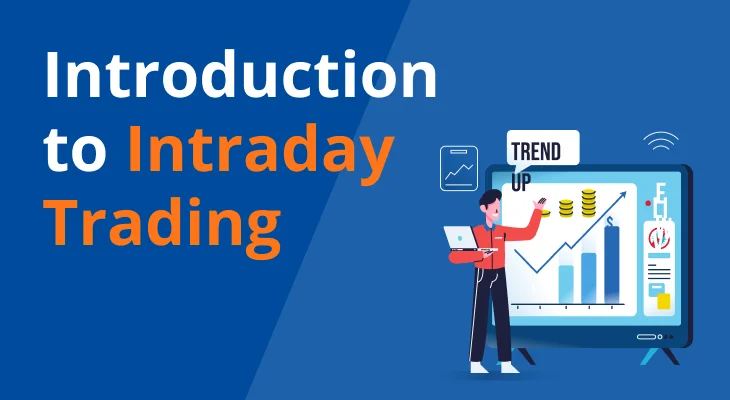
Intraday trading, also known as day trading, refers to the practice of buying and selling financial instruments within the same trading day.
Intraday Trading

The practise of purchasing and selling financial instruments during the same trading day is referred to as intraday trading, sometimes known as day trading. It entails initiating and closing positions during a single trading session with the goal of making money off of the market’s brief price swings.

Throughout the day, intraday traders keep a careful eye on price changes and market patterns, utilising a variety of technical analysis tools, charts, and indicators to spot prospective trading opportunities. They often carry out a number of deals throughout the day, profiting from slight price changes.

Contrary to long-term investing, which involves holding onto assets for a long time, intraday traders seek to profit from transient market volatility. In order to minimise risks associated with the overnight market, positions are typically closed before the conclusion of the trading day.

Due to the market’s potential for extreme unpredictability and volatility, intraday trading calls for cautious risk management and discipline. Trading techniques include scalping (making quick, little trades for modest profits), momentum trading (following the trend), and breakout trading (entering transactions when the price crosses a predetermined level) are frequently used by traders.

It’s crucial to remember that trading intraday entails inherent risks, including the possibility of suffering substantial losses. Deep knowledge of technical analysis, market dynamics, and risk management strategies is typically a must for successful day traders. Before engaging in genuine intraday trading, it is advised that people adequately inform themselves and practise with virtual or paper trading accounts.

How Does It Work In Stock Market?

Intraday trading is the practise of purchasing and selling equities on the stock market during the same trading day in order to profit from swift price changes. Here’s how it usually operates:

Market analysis is done by intraday traders utilising a variety of tools and methods, including technical analysis, chart patterns, indicators, and news analysis. They recognise stocks that have the potential for price volatility and liquidity and are appropriate for day trading.

Setting Entry and quit Points: Based on their analysis, traders decide where to enter and quit a trade. Support and resistance levels, trend lines, or particular technical indicators frequently serve as these points’ determining factors. When to buy a stock is indicated by its entry points, and when to sell it is by its exit points.

Making Trades: After determining the entry and exit points, traders can make buy or sell orders through their brokerage accounts. They describe the number of shares they wish to trade and any other conditions, such as limit orders (buying or selling at a particular price) or market orders (buying or selling at the going rate on the market).

Monitoring and Managing Positions: Throughout the trading day, intraday traders keep a careful eye on their positions. They monitor changes in volume, price, and market news that can have an impact on the equities they are trading. If the transaction goes against them, traders can modify their exit locations or put stop-loss orders in place to reduce potential losses.

Position closing: Intraday traders strive to do so before the trading day is over. This is done to reduce overnight risks since news or events that happen after trading hours can have a big impact on stock prices. If the positions were long or short, closing them entails selling the shares that were previously purchased or purchasing the shares that were sold short.

Managing Risk: In intraday trading, risk management is essential. Trading strategies include placing stop-loss orders, which cause a sale to occur automatically if a stock reaches a particular price level. This lessens the possibility of losses. Additionally, traders use stringent money management techniques, prevent using too much leverage, and diversify their trades.

Advantages and Disadvantages of Intraday Trading?

Advantages:

  1. Potential for Quick Gains: Intraday trading gives investors the chance to profit from brief price changes, giving them the chance to make quick gains throughout a single trading day.
  2. Flexibility: The ability to choose when to enter and exit deals during market hours makes day trading flexible. Long-term investment commitments do not bind them.
  3. Leveraging Market Volatility: Intraday traders profit from market volatility since it generates more trading chances on a regular basis. Significant price movements in volatile companies can occur within a single day, offering potential profit opportunities.
  4. Avoiding Overnight Risks: By completing all open positions before the conclusion of the trading day, intraday traders can minimise the chance of being adversely affected by overnight news, events, or market gaps.
  5. Active Participation: For people who take pleasure in actively participating in the stock market, intraday trading can be thrilling and mentally stimulating. It necessitates constant observation, evaluation, and judgement.

Disadvantages:

  1. High Risk: Compared to long-term investing, intraday trading has a greater degree of risk. The impact of market volatility is amplified by the short time horizon, and traders may sustain significant losses if their transactions are unsuccessful.
  2. Emotional Pressure: Due to the fast-paced nature of intraday trading, it is possible for emotions to influence decisions, which might include impulsive purchasing or selling based on transient market changes. Poor consequences can frequently be the result of emotional decisions.
  3. Transaction costs are higher for intraday traders due to their frequent execution of many deals, which includes brokerage fees, commissions, and taxes. The total profitability of their trades may suffer as a result of these expenses.
  4. Time Invested: Successful intraday trading necessitates a large time investment. Throughout the trading day, traders must set aside time for market research, analysis, and monitoring. It might not be appropriate for people with a restricted amount of free time or other commitments.
  5. Stressful Characteristics: Due to the constant need for concentration, the need to make decisions quickly, and the possibility of financial losses, intraday trading can be stressful. It necessitates self-control, concentration, and stress management skills.

Conclusion

Stock market intraday trading provides the opportunity for quick profits, flexibility, and the capacity to capitalise on market volatility. Traders can participate actively in the market, profit from brief price changes, and minimise overnight risks. However, it carries built-in dangers that might result in monetary losses, such as extreme volatility and mental stress. Additionally, one should consider the time investment needed for research and monitoring as well as transaction expenses. Intraday trading may be a difficult and demanding endeavour that calls for self-control, risk management expertise, and a clearly defined trading strategy. Before engaging in intraday trading, people must fully comprehend the dangers involved and carefully examine their personal suitability and aspirations.

FOR MORE INFO CLICK THIS SITE: https://learningsharks.in/

FOLLOW OUR PAGE: https://www.instagram.com/learningsharks/?hl=en

What is Free Forex Signals in Stock Market?

Forex signals can be transmitted through various channels, including email, SMS, social media platforms, or dedicated trading platforms.
Free Forex signals

Free forex signals are suggestions or alerts made by a variety of people, websites, or businesses to help traders make trading decisions in the foreign exchange (forex) market. These signals, which provide particular entry and exit points for trading positions, are often produced by analysing market data, technical indicators, and economic news.

Email, SMS, social networking sites, and trading platforms specifically can all be used to deliver forex signals. These signals can be used by traders as direction when placing trades manually or automatically using trading software.

Free forex signals are intended to present traders with potentially profitable trading opportunities based on the analysis of the signal provider. It is crucial to remember that not all indications, given the inherent dangers and uncertainties of forex trading, can lead to profitable trades. Traders should employ prudence, carry out their own research, and consider signals as one of many considerations when making decisions.

How Does It Work In Stock Market?

The idea of signals is similar to that of the currency market in the stock market. Buying or selling opportunities for stocks or other financial instruments traded on stock exchanges are suggested by stock market signals, which are recommendations or indicators.

The standard method for producing these signals is to analyse a variety of variables, including technical indicators, chart patterns, market trends, and fundamental analyses of the underlying companies. Signal providers use their knowledge and analysis to pinpoint equities that might be ready for price changes. These providers might be individuals, financial experts, or specialised businesses.

A signal is produced and then sent to traders or investors using a variety of channels, including email, SMS, mobile apps, and internet platforms. Then, traders might resort to these signals when making trading selections. Some traders might decide to carefully adhere to the signals and place trades in accordance with them, while others might use them as a jumping-off point for additional investigation and analysis.

It’s vital to remember that, unlike forex signals, stock market signals cannot ensure profitable trades. Economic conditions, market mood, corporate news, and geopolitical events are just a few of the variables that have an impact on the stock market and can result in unpredictably fluctuating prices. To make wise investing selections, traders should view signals as one tool among many and undertake their own study and analysis. Before depending on the advice of signal providers, it’s also a good idea to carefully assess their reliability and track record.

Advantages and Disadvantages of Free Forex Signals

Benefits of Free Stock/Forex Signals:

  1. Accessibility: Free forex/stock signals make trading advice and insights available that could otherwise call for a lot of reading or technical analysis expertise. They are accessible to traders of all experience levels, even newcomers, who can profit from the know-how of seasoned traders or signal providers.
  2. Time-saving: By offering traders pre-analyzed trading possibilities, signal providers can help traders save time. Traders can rely on signals to swiftly spot prospective trades instead of spending hours analysing charts and market data.
  3. Learning opportunity: Free signals can be a useful learning resource, especially for traders who are just starting out. Traders can get insight into the tactics, technical analysis, and market dynamics employed by seasoned traders by studying and comprehending the logic behind the signals.
  4. Diversification: Signal services frequently provide a large selection of stock options and currency pairs, giving traders access to a variety of marketplaces and opportunities. This diversification can aid in risk distribution and perhaps even improve the entire trading portfolio.

Free Forex/Stock Signals’ Drawbacks

  1. Reliability: Not every free signal provider is as accurate or dependable as another. Receiving signals from novice or unreliable sources carries the danger of resulting in subpar trading judgements and probable losses. Before depending on the advice of signal providers, traders must thoroughly assess their reputation and reliability.
  2. Lack of personalization: Free signals are frequently general and not adjusted for personal risk tolerance or trading preferences. A trader’s differing methods, timeframes, or risk tolerance may not line up with the indications being offered. It’s crucial to think of the signals as a place to start for more research and personalization.
  3. A lack of emotional attachment can inhibit traders from honing their own analytical and decision-making abilities. It might be difficult for a trader to adjust to shifting market conditions and make independent decisions if they solely rely on signals without comprehending the underlying market dynamics.
  4. Free signals may experience transmission delays, especially if they are distributed by email or other non-real-time means. Particularly in markets with rapid price changes, this delay may have an impact on the timeliness and efficiency of the signals.

Conclusion

Finally, free forex/stock signals can be a valuable tool for traders, providing accessibility, time-saving advantages, and educational chances. They make trading information and recommendations available that could otherwise need for a lot of time spent doing research or technical analysis expertise. Additionally, by covering a variety of marketplaces, they can aid in the diversification of trading portfolios.

However, it’s crucial to take into account any potential drawbacks of relying only on free signals. Traders should carefully assess the legitimacy and track record of the sources because the dependability of signal providers can vary. Some restrictions to be aware of include a lack of customisation, emotional detachment from the decision-making process, and potential signal transmission delays.

To get the most out of signals, traders should utilise them as a springboard for deeper study, hone their own trading techniques, and think about paying for signal services or spending money on education. Trading decisions can be made more intelligently and traders can more successfully adjust to shifting market conditions by combining signals with personal study and analysis.

FOR MORE INFO CLICK THIS SITE:https://learningsharks.in/

FOLLOW OUR PAGE:https://www.instagram.com/learningsharks/?hl=en

What is Option Trading in Stock Market?

Option trading is a form of investment strategy that involves the buying and selling of options contracts.
Option Trading

The purchasing and selling of options contracts is a component of the investing technique known as option trading. Options are a type of financial derivative that grant the holder the right, but not the duty, to buy or sell an underlying asset at a certain price (known as the strike price) within a predetermined window of time.

Call options and put options are the two categories of options. The right to buy the underlying asset is granted to the holder of a call option, whilst the right to sell the underlying asset is granted to the holder of a put option. These contracts can be used by options market traders to speculate on the underlying asset’s price movement or to cover open positions.

Trading options offers traders flexibility and leverage. Without really owning the underlying asset, they can profit from price changes in it. Traders can gain more control over the underlying asset with a smaller initial investment by acquiring options. While boosting possible rewards, this leverage also raises the risk involved.

In option trading, traders have the choice of taking a long position (buying options) or a short position (selling options). While selling options creates money but exposes the trader to potential losses if the market goes against them, buying options enables traders to profit from favourable price changes.

Options have an expiration date after which they lose all of their value, therefore it’s vital to remember this. The deadline for exercising the option holder’s right to acquire or sell the underlying asset is determined by the expiration date.

Understanding terms like strike price, premium, time decay, and implied volatility is necessary for option trading, which can be challenging. Before starting to trade options, it is necessary to have a clear understanding of what options are and the dangers that come with them.

How Does It Work In Stock Market?

Option trading on the stock market enables investors to trade options contracts that are based on specific stocks. These options allow investors the ability to buy or sell a predetermined number of shares of a given stock at a predetermined price (strike price) within a predetermined time frame.

Option purchasers (also known as holders) and option sellers (sometimes known as writers) are the two primary parties involved in the trading of stock options. Let’s examine their respective stock market interactions:

  1. Option Buyers: Option buyers pay sellers a premium in order to purchase options contracts from them. The initial cost for purchasing the option is known as the premium. Investors who acquire call options have the option to buy the underlying stock at the predetermined strike price prior to the option’s expiration date. They can also have the opportunity to sell the underlying stock at the strike price by purchasing put options.
  2. Option Sellers: People that sell options contracts to buyers are known as option sellers or writers. They accept the buyer’s premium in return for accepting responsibility for carrying out the terms of the options contract, should the buyer decide to exercise it.

Profit is made by option sellers from the premium they receive when they sell an option. However, if the option is exercised, they run the danger of having to meet their obligations, which can include having to buy or sell the shares at a less advantageous price.

Investors can use a variety of tactics to profit from market fluctuations, control risk, or make money by engaging in option trading on the stock market. In addition to simpler tactics like buying and selling options, there are also more sophisticated ones like spreads, straddles, and hedging methods.

Before engaging in these transactions, investors interested in option trading on the stock market must have a solid understanding of the mechanics, dangers, and potential rewards of options.

Advantages and Disadvantages of Option Trading

The benefits of trading options

  1. Utilising leverage, traders can use a lower initial investment to take a larger position in the underlying asset. If the trade goes in the trader’s favour, the leverage could increase possible winnings.
  2. Flexibility: Options give traders a wide variety of techniques to profit from different market circumstances. They can be used to speculate, hedge already-existing positions, earn money by collecting premiums, or develop sophisticated trading techniques.
  3. Limited Risk: Option buyers are subject to a predetermined maximum loss that is set at the option premium. For the purposes of risk management, this limited risk may be advantageous.
  4. Potential for Higher Returns: If traders correctly estimate the price movement of the underlying asset, they have the potential to generate higher returns compared to traditional stock trading because of the leverage and flexibility options offer.
  5. Opportunities in a Variety of Markets: Options are offered on a variety of underlying assets, such as equities, indexes, commodities, and currencies. This offers traders a variety of options to trade various marketplaces.

Negative aspects of option trading

  1. Options have a finite shelf life, and because of time decay (also known as theta decay), their value depreciates with time. Even if the price of the underlying asset doesn’t change as the expiration date draws near, the option’s value may drop, which could result in losses for option buyers.
  2. Complexity: Understanding numerous concepts, such as strike prices, premiums, implied volatility, and varied methods, is necessary for option trading. Options can be difficult for novice traders to understand, which could result in costly errors.
  3. Greater Risk: While options limit the risk for purchasers, the danger for sellers is unlimited. If the market swings against the seller’s position when they are selling options, they may suffer large losses.
  4. Market volatility: Changes in market volatility can have a significant impact on the price of options. Option prices may move quickly as a result of higher volatility, making it difficult to predict and time trades with precision.
  5. Liquidity and Bid-Ask Spread: Options on companies with smaller trading volumes or that are less regularly traded may have lesser liquidity, which results in wider bid-ask spreads. Profitability may be affected if it becomes harder to enter or exit positions at targeted prices.

Conclusion

In conclusion, there are a number of benefits and drawbacks to option trading on the stock market. It offers traders flexibility, leverage, and the possibility of greater returns. Options give investors the ability to profit from a variety of market scenarios while controlling greater positions with a lower outlay. Option buyers also have less risk, and various chances are presented in various markets.

However, there are certain drawbacks to option trading as well. Options have a finite shelf life, and time decay causes them to lose value over time. Option trading can be complicated, and novice traders may struggle to comprehend and put options techniques into practise. Additionally, option sellers run a bigger risk because they are open to unlimited risk.

It’s essential to have a firm trading strategy in place as well as a clear understanding of options and the dangers that come with it in order to successfully trade options. To make wise judgements, traders should think about consulting with financial experts and devoting time to learning and research. Option trading can be a useful tool in an investor’s toolbox with proper thought and risk management.

FOR MORE INFO CLICK THIS SITE: https://learningsharks.in/

FOLLOW OUR PAGE: https://www.instagram.com/learningsharks/?hl=en

The Benefits of Investing in the Stock Market

Because investing in stocks can be a good way to beat inflation, people are moving away from more conventional investment options like fixed deposits, regular deposits, etc. and toward the stock market. Gaining returns on your investment, accumulating wealth over time, achieving long-term goals, diversifying your portfolio, and lowering your risk are just a few advantages of stock market investing. We will learn about the benefits of the stock market, considerations to make when investing in shares, and reasons to invest in the stock market in this article.

This article covers: 

  • Why invest in stock market?
  • Benefits of investing in stock market
  • Things to keep in mind while investing in the stock market

Why invest in stock market?

An essential component of the Indian economy is the stock market. It offers the possibility for investors to profit from stock price fluctuations. It’s a fantastic way to experience a variety of businesses while remaining secure. By selling your shares for more money than you paid for them, you can profit.

There are many reasons why people invest in the stock market. Some people want to invest some of their money in the stock market because they think it will always go up. Some people just like the concept of investing and earning money without having to worry about stocks.

Investing in the stock market is a fantastic way to put your money to work and earn some extra money, regardless of your motivation. If you are just getting started investing in stocks and have a basic understanding of the stock market, you can start with mutual funds like debt funds, multi-cap funds, and index funds. However, if you have years of stock investing experience, you can build your own portfolio by conducting thorough research.

Key takeaways: 

  • Owning stock in a company is an investment in its future, meaning you’re putting your time and money into it in the hopes of getting something back.
  • You own a portion of the ownership of a company when you own shares in it.
  • Long-term high returns can be expected from investing in the stock market.

Benefits of investing in stock market

There are many reasons why you invest in stock market: 

1. Earning Returns On Your Investment

Earning returns on your investment is one of the main advantages of stock market investing. This implies that as time passes and the value of the stocks or investments you own rises, you will profit. By purchasing dividend-paying stocks, you can increase your income. You can benefit from capital growth and dividend income by investing in dividend stocks.

Additionally, investing in stocks has the potential to yield much higher returns than other investment options like savings accounts or bonds. This is due to the fact that stock ownership gives you a stake in a company’s success in the future.

2. Building Wealth Over Time

You can gradually increase your wealth by making stock market investments, which is an additional advantage. This implies that you can raise the value of your holdings by investing in stocks or other securities. This can result in significant savings and increased financial security over time. Thus, it aids you in achieving your objectives, such as retirement, children’s education, home construction, etc.

3. Diversifying Your Portfolio

The ability to diversify your portfolio is one of the major advantages of investing in the stock market. As a result, your investments will likely consist of a wide range of securities, including stocks, bonds, gold, real estate, and many others. Each of these will have a different potential reward, though some may be more volatile than others.

You can lower the risk involved with individual investments in your portfolio and raise the likelihood that your overall investment will generate a profit by diversifying your holdings.

4. Liquidity

It’s crucial for stocks to have liquidity because it makes them relatively simple to buy and sell. It is simple to find a willing buyer or seller when you want to buy or sell a stock when the market for that stock is liquid, which means there are many buyers and sellers in it. In contrast, less liquid assets like real estate might take longer to sell because there aren’t as many buyers and sellers there.

It’s crucial to keep in mind though that market circumstances can have an impact on liquidity. The level of stock market liquidity may drop during periods of economic turbulence or market volatility, making it harder to buy or sell stocks.

5. Flexibility 

The ability to start with small investments and gradually build up your portfolio over time is one of the advantages of stock market investing. Small-cap or mid-cap companies may be a good place to start investing because they frequently have more room for expansion and the potential for greater returns.

Additionally, you have the option to invest directly in stocks as opposed to doing so through a mutual fund or other investment vehicle, which have minimum investment requirements. If you don’t have a lot of money to invest up front or want to invest in a way that is more flexible and customizable, this allows you to make small, periodic investments.

Things to keep in mind while investing in the stock market

Even though investing in the stock market can be unpredictable and risky, there are a few things to bear in mind to make sure your money is secure:

  1. Do your research

Make sure you have done your homework and comprehend the business model and prospects of the company before investing in any stock. You should also review the financial statements, financial ratios, cash flow, management, etc. of the company. The company’s annual report contains all of this information.

  1. Don’t time the market

It’s important to avoid becoming overly invested emotionally in the stock market because it can be challenging to predict how prices will evolve over time. Therefore, it is advised to implement the proper risk management plan to reduce losses.

  1. Diversify your portfolio

It’s crucial to spread your risk among various investment categories. You can diversify your portfolio, for instance, by purchasing various sector stocks with large, mid, and small-cap market caps. This way, even if the value of one kind of stock declines, your portfolio’s other stocks and assets will still have some value.

  1. Have a plan

It’s crucial to have a budget in place before investing in the stock market. By doing this, you can prevent yourself from making hasty decisions that might result in investment losses.

Conclusion

It is possible to increase your wealth over time by investing in stocks, but it’s also critical to understand that there is some risk involved and that the stock market can be volatile. As a result, when investing in stocks, it’s critical to do your research and come to a wise decision. A financial advisor should always be consulted before making any significant investment decisions, as well.

FOR MORE INFO CLICK THIS SITE:https://learningsharks.in/

FOLLOW OUR PAGE:https://www.instagram.com/learningsharks/?hl=en

Swing Trading: Maximizing Profits with Short-Term Market Swings

Swing trading involves taking trades that last a couple of days up to several months in order to profit from an anticipated price move.
Swing Trading

Introduction

This thorough guide to swing trading was written to help investors and traders profit from short-term market fluctuations. We will examine the fundamental ideas, plans, and methods that will enable you to develop into a profitable swing trader in this article. By the end, you’ll have a thorough understanding of swing trading and be prepared to use this effective strategy on your own journey through investing.

Understanding Swing Trading

Swing trading is a type of trading that concentrates on capturing transient price changes within a longer-term trend. Swing traders, as opposed to long-term investors, who aim to hold assets for a long time, aim to profit from the market’s shorter-term fluctuations. Swing traders have the potential to make significant profits by spotting price swings and capitalizing on the momentum.

KEY TAKEAWAYS

  • Swing trading is the practice of entering positions that can last from a few days to several months in an effort to capitalize on an expected price movement.
  • A trader who engages in swing trading is exposed to overnight and weekend risk, where the price may gap and start the next session at a significantly different price.
  • Swing traders can profit by using a predetermined risk/reward ratio based on a stop-loss and profit target, or they can profit or lose based on movements in a technical indicator or price action.

Key Characteristics of Swing Trading

Swing trading encompasses several key characteristics that make it an attractive option for many traders:

  1. Time Horizon: Swing trading has a shorter time horizon than conventional long-term investing. Typically, traders hold positions for a few days to a few weeks, allowing them to profit from quick changes in the market.
  2. Technical Analysis: Swing traders heavily rely on technical analysis to spot trends, patterns, and levels of support and resistance. Trading professionals can base their decisions on market behavior by examining price charts and indicators.
  3. Risk Management: Risk management is crucial in swing trading. Stop-loss orders are used by traders to prevent losses and safeguard their capital. Effective risk management techniques guarantee that traders can continue to play even in challenging market conditions.

Developing a Swing Trading Strategy

Setting up a clear strategy that fits your financial objectives and risk tolerance is crucial for swing trading success. Let’s examine the essential procedures for creating a successful swing trading plan.

Step 1: Identify the Trend

Finding the general market trend or the trend of a particular security you’re interested in trading is the first step in swing trading. You can determine whether the trend is upward (bullish) or downward (bearish) by examining price charts and technical indicators.

Step 2: Find Entry Points

Finding trade entry points comes next after the trend has been established. Swing traders frequently search for price pullbacks or retracements within the larger trend. These brief price changes give traders the chance to enter positions at more advantageous prices.

Step 3: Set Profit Targets and Stop-Loss Levels

It’s critical to establish precise profit targets and stop-loss levels for each trade in order to minimize risk and maximize profits. While stop-loss levels guard against significant losses by forcing the sale of a security when it reaches a certain price, profit targets define the desired level of profitability.

Step 4: Implement Risk Management Measures

Swing trading entails risks, so it’s essential to put good risk management practices in place. You can reduce potential losses and protect your capital by diversifying your portfolio, choosing the right position size, and using trailing stops.

Step 5: Monitor and Adjust

Swing trading success requires constant position monitoring and modification. Follow market news, keep track of your trades, and adjust your strategy as the market changes. Reviewing your performance frequently will help you find areas that need improvement and gradually hone your strategy.

Swing Trading Strategies and Techniques

Swing traders use a variety of tactics and strategies to spot lucrative opportunities. Here are a few well-liked methods:

  1. Breakout Trading
    Trading on a breakout occurs when the price moves outside of a predetermined range or pattern. The breakout is expected to cause a significant price movement, enabling traders to profit.
  2. Pullback Trading
    Purchasing securities during a brief pullback within an established trend is the focus of pullback trading. With the hope that the upward trend will resume, traders try to enter at lower prices.
  3. Trend Reversal Trading
    By examining chart patterns, technical indicators, and market sentiment, trend reversal traders attempt to spot potential trend reversals. Using this tactic, traders can benefit from significant price changes that happen when a trend shifts.
  4. Trading Support and Resistance
    A price chart’s support and resistance levels are places where there is heavy buying and selling pressure. These levels are used by traders when making trading decisions. A swing trading strategy that involves buying at support and selling at resistance can be successful.

Conclusion

A dynamic and profitable method of trading the financial markets is swing trading. Swing traders can make money in both bullish and bearish market conditions by taking advantage of short-term market swings. Swing trading has a lot of potential, and with the right strategy, risk management, and technical analysis knowledge, you can maximize it and advance your investing career.

FOR MORE INFO CLICK THIS SITE:https://learningsharks.in/

FOLLOW OUR PAGE:https://www.instagram.com/learningsharks/?hl=en

How to Invest in Stocks: A Comprehensive Guide

Introduction

Welcome to our in-depth tutorial on stock investing. A great way to increase your wealth and reach your financial objectives is by investing in stocks. To help you navigate the world of stock market investing, we’ll give you helpful tips, industry insight, and doable actions in this guide.

Understanding the Basics

It’s imperative to comprehend the fundamentals before delving into the nuances of stock investing. We’ll go over the key ideas in this section that will serve as the cornerstone of your investment journey.

What are Stocks?

The ownership of a company is represented by stocks, also referred to as shares or equities. You become a shareholder and have a stake in the company’s success when you buy stocks. You can benefit from the company’s success and take part in its growth by investing in its stocks.

Benefits of Stock Investing

Investing in stocks offers several advantages:

  1. Potential for High Returns: Historically, stocks have offered better returns than other types of investments, such as bonds or savings accounts. Long-term, profitable stocks have the potential to produce significant wealth.
  2. Ownership and Voting Rights: You have ownership rights in the business as a shareholder, which include the ability to cast a vote on important decisions. You now have a say in deciding how the business will develop.
  3. Diversification: Your investment portfolio can be diversified by adding stocks. You can spread your risk and possibly lessen the impact of individual stock performance on your overall portfolio by investing in a variety of businesses across a range of industries.
  4. Dividend Income: A portion of the company’s profits is given to shareholders as dividends, which are paid on some stocks. A consistent income stream can be provided by dividends.

Types of Stocks

Based on a variety of factors, stocks can be divided into various types. Let’s examine the most typical stock categories:

  1. Common Stocks: Common stocks grant voting rights and represent ownership in a company. Dividends may be paid to shareholders, and they may take part in the expansion of the business.
  2. Preferred Stocks: While preferred stocks typically do not grant voting rights, they do represent ownership in the company. However, preferred shareholders frequently receive fixed dividend payments and have a greater claim to the company’s assets and profits.
  3. Blue-Chip Stocks :Shares of big, established businesses with a track record of consistent earnings and dividend payments are referred to as “blue-chip stocks.” They are typically regarded as less dangerous and volatile.
  4. Growth Stocks: Shares of businesses that are anticipated to grow faster than the market as a whole are known as “growth stocks.” In place of dividends, these stocks frequently reinvest earnings back into the business.

Setting Investment Goals

Setting specific investment objectives is crucial before you begin buying stocks. You can choose the best investment strategy and asset allocation by defining your goals. When establishing your investment goals, take into account elements like your risk tolerance, time horizon, and financial objectives.

Developing an Investment Strategy

Now that you have a firm grasp of the fundamentals, let’s get started on creating an investment strategy specific to your objectives and risk tolerance.

Conducting Research and Analysis

Successful stock investing requires extensive research and analysis. Here are some essential actions to remember:

  1. Company Analysis: Examine the management team, competitive advantage, and growth potential of the businesses you are thinking about investing in. You can identify companies with sound fundamentals using this analysis.
  2. Industry Analysis: Recognize the market dynamics and trends that might affect the performance of the company. Market demand, rivalry, and regulatory changes are just a few variables that can have a big impact on stock prices.
  3. Economic Analysis: Observe macroeconomic indicators and any potential effects they may have on the stock market. Market sentiment can be impacted by variables like interest rates, inflation, and GDP growth.

Building a Diversified Portfolio

It’s essential to diversify your portfolio in order to minimize risk and maximize returns. Stocks from various industries, regions, and market capitalizations should be included in a well-diversified portfolio. Think about spreading your investments among a variety of sectors, including consumer goods, healthcare, finance, and technology.

Asset Allocation and Risk Management

Your investment strategy must include choosing the appropriate asset allocation. How you divide your investments among various asset classes, such as stocks, bonds, and cash, is referred to as asset allocation. The allocation should be in line with your investment objectives and risk tolerance.

Regular Monitoring and Adjustments

After you’ve created your portfolio, it’s critical to continuously check on it to make any necessary adjustments. Keep abreast of business news, market developments, and macroeconomic factors that could affect your investment decisions. To keep the desired asset allocation, periodically rebalance your portfolio.

Investing in Stocks: Actionable Steps

Now that you have a solid foundation and an investment strategy in place, let’s outline actionable steps to start investing in stocks.

  1. Open a Brokerage Account: Select a trustworthy online brokerage that meets your needs for investments. Think about things like trading costs, minimum deposit requirements, research resources, and customer service.
  2. Educate Yourself: Keep gaining knowledge about the stock market, effective investing methods, and the companies you are interested in. Stay informed with the aid of dependable online sources, investment books, and financial news.
  3. Define Your Risk Tolerance: Determine your level of comfort with market fluctuations by evaluating your risk tolerance. Your stock selection and portfolio allocation decisions will be guided by this.
  4. Research and Select Stocks: Make use of the earlier mentioned research and analysis methods to find potential investment candidates in stocks. Consider elements like financial success, competitive advantage, and future growth.
  5. Place Your Trades: After selecting your stocks, execute trades using your brokerage account. Before making a decision, think about the order type (market order, limit order, etc.) and go over the specifics of the transaction.
  6. Monitor and Review: Keep an eye on the performance of your portfolio and stay informed of market and company news. Review your investment plan on a regular basis and tweak it as necessary.
  7. Stay Disciplined and Patient: Stock investing is a long-term strategy. Refrain from making snap judgments based on momentary market fluctuations. Maintain discipline, adhere to your investment plan, and exercise patience as your investments grow.

Conclusion

Congratulations on finishing our in-depth tutorial on stock investing. You’re well on your way to becoming a successful stock market investor by grasping the fundamentals, creating a solid investment strategy, and taking practical steps. Recall to stay informed, adjust to shifting market conditions, and periodically review your investment strategy. Good luck with your investment endeavors!

FOR MORE INFO CLICK THIS SITE:https://learningsharks.in/

FOLLOW OUR PAGE:https://www.instagram.com/learningsharks/?hl=en

Understanding Valuation: A Comprehensive Guide to Accurate Business Assessment

Valuation metrics are financial ratios or indicators used to assess the relative value of a stock or company.
Valuation Metrics

Introduction

The value of a company is greatly influenced by valuation in the dynamic world of business. Having a thorough understanding of valuation is crucial whether you work as a financial professional, an investor, or an entrepreneur. We delve deeply into the complexities of valuation in this extensive guide, giving you the knowledge you need to make wise choices and gain an advantage over competitors in the business world.

What is Valuation?

Calculating a company’s or asset’s economic value is the process of valuation. To determine a business’s worth, it involves examining a variety of factors, including financial statements, market conditions, and industry trends. For a variety of reasons, such as mergers and acquisitions, investment analysis, financial reporting, and legal proceedings, valuation is frequently carried out.

Key Factors Affecting Valuation

Financial Performance and Projections

The financial performance and outlook of a company are key factors in determining its value. The profitability, liquidity, and general financial health of the company can be evaluated by looking at historical financial statements like income statements, balance sheets, and cash flow statements. The company’s growth potential is also revealed by projecting future earnings and cash flows, and this directly affects the company’s valuation.

Market Conditions and Industry Analysis

The valuation of a company is significantly influenced by external factors like industry trends and market conditions. Determining a company’s relative value involves examining the competitive environment, market size, growth rate, and market share of that company within its industry. Understanding the industry-specific risks and opportunities also helps to assess the company’s overall valuation and future prospects.

Comparable Company Analysis

A typical valuation technique involves evaluating a target company in comparison to its competitors in the sector. With this strategy, similar companies are found and their valuation multiples, such as the price-to-earnings (P/E) ratio or enterprise value-to-EBITDA (EV/EBITDA) ratio, are examined. Similar companies are found in terms of size, market presence, and business model. By comparing the target company to similar ones, one can assess its relative value and form accurate valuation opinions.

Discounted Cash Flow (DCF) Analysis

A well-known method of valuing a business that calculates the present value of future cash flows is discounted cash flow analysis (DCF). This method takes into account the potential for future growth of the company, risk factors, and the time value of money. The DCF analysis offers a reasonable estimation of the company’s intrinsic value by discounting the projected cash flows back to their present value. It is an effective tool for valuing businesses with steady cash flows.

Asset-Based Valuation

Asset-based valuation analyzes a company’s tangible and intangible assets to determine its value. Physical assets like land, buildings, and machinery are considered tangible assets, whereas intellectual property, patents, trademarks, and brand value are considered intangible assets. The company’s net asset value (NAV), which contributes to its overall valuation, can be calculated by estimating the market value of its assets and deducting its liabilities.

Valuation Methodologies

1. Market Approach

The market approach involves estimating the valuation using the stock prices of similar companies. One can determine the target company’s value by finding comparable businesses and examining their market multiples, such as price-to-earnings ratio or price-to-sales ratio. The market approach offers a comparison point and is especially helpful when valuing businesses with publicly available financial data.

2. Income Approach

The income approach focuses on a company’s potential to generate income in the future. The discounted cash flow (DCF) analysis is primarily used to calculate the present value of the company’s anticipated cash flows. The income approach offers a valuation that reflects the company’s earning potential by using a suitable discount rate to reduce the projected cash flows back to their present value.

3. Asset-Based Approach

A company is valued using the asset-based approach using its net asset value (NAV). To calculate the company’s net worth, the fair market value of its assets is taken into account, and its liabilities are subtracted. This strategy is especially important for businesses or industries that rely heavily on tangible assets. The asset-based approach, however, might not fully capture an organization’s intangible assets’ true value if it has significant intangible assets.

Conclusion

The process of valuation is intricate and necessitates a thorough comprehension of numerous financial, market, and industry-related factors. One can get a thorough understanding of a company’s value by taking into account financial performance, market conditions, comparable company analysis, discounted cash flow analysis, and asset-based valuation. With this information at hand, you can confidently negotiate better deals, make better investment decisions, and move through the market with confidence.

FOR MORE INFO CLICK THIS SITE:https://learningsharks.in/

FOLLOW OUR PAGE:https://www.instagram.com/learningsharks/?hl=en

Top 10 Rules for Successful Trading

Spending just a few minutes online will allow anyone who wants to start trading stocks profitably to find advice like “plan your trade; trade your plan” and “keep your losses to a minimum.” These tidbits appear to new traders to be more of a diversion than practical advice.

The guidelines listed below combine for effects that raise your chances of trading successfully.

KEY TAKEAWAYS

  • Trade like a business, not as a pastime or a job.
  • Consider your options and keep learning.
  • Set reasonable goals for your company.

Rule 1: Always Use a Trading Plan

A set of guidelines known as a trading plan outlines the entry, exit, and money management criteria for each purchase.

Test a trading idea using today’s technology before putting actual money at risk. Backtesting is the process that enables you to test the viability of your trading idea using historical data. A strategy can be applied in actual trading after being developed and backtesting yields favorable results.

Rule 2: Treat Trading Like a Business

You must approach trading as a full- or part-time business, not as a pastime or a job, if you want to succeed.

If it’s treated like a hobby, learning isn’t really a priority. If it’s a job, the lack of a consistent paycheck can be frustrating.

Trading involves costs, losses, taxes, uncertainty, stress, and risk because it is a business. You must conduct research and develop a plan as a trader in order to realize the full potential of your business.

Rule 3: Use Technology to Your Advantage

Trading is a cutthroat industry. It’s reasonable to assume that the party on the other side of a trade is utilizing all available technology to its fullest extent.

Traders can view and analyze markets in countless ways thanks to charting platforms. Using historical data to backtest a concept helps avoid expensive mistakes. We can follow trades wherever we are thanks to smartphone market updates. Even commonplace technology, like a fast internet connection, can improve trading performance.

In trading, using technology to your advantage and staying up to date with new products can be enjoyable and rewarding.

Rule 4: Protect Your Trading Capital

It takes time and effort to accumulate sufficient funds to fund a trading account. If you have to do it twice, it might be even harder.

It’s crucial to understand that safeguarding your trading funds does not entail never losing a trade. Every trader has lost a trade. Avoiding pointless risks and doing everything you can to keep your trading operation viable are both essential components of capital protection.

Rule 5: Become a Student of the Markets

It takes time and effort to accumulate sufficient funds to fund a trading account. If you have to do it twice, it might be even harder.

It’s crucial to understand that safeguarding your trading funds does not entail never losing a trade. Every trader has lost a trade. Avoiding pointless risks and doing everything you can to keep your trading operation viable are both essential components of capital protection.

Rule 6: Risk Only What You Can Afford to Lose

Make sure the funds in that trading account are expendable prior to using actual money. The trader should continue saving if it isn’t until it is.

The mortgage or college costs should not be paid with funds from a trading account. Traders must never let themselves believe that these other significant obligations are merely a source of credit.

Even losing money can be upsetting. Even more so if the money was money that shouldn’t have ever been put at risk in the first place.

Rule 7: Develop a Methodology Based on Facts

It is worthwhile to invest the time in creating a solid trading methodology. The trading scams that are widely spread online may tempt you to fall for the “so easy it’s like printing money” line of reasoning. However, a trading plan should be created using facts rather than sentiment or hope.

Traders who are less eager to learn typically find it simpler to sort through the wealth of information available online. If you wanted to start a new career, you would need to complete at least one or two years of college or university coursework before you were eligible to apply for jobs in the new field. The same amount of time and fact-based research and study is required to learn how to trade.

Rule 8: Always Use a Stop Loss

A stop loss is the maximum risk that a trader is willing to take on each transaction. The stop loss limits the trader’s exposure during a trade and can be expressed as a percentage or a monetary amount. Since we know we will only lose X amount on any given trade, using a stop loss can reduce some of the stress associated with trading.

Not using a stop loss is bad practice, regardless of whether the trade is profitable. Exiting a losing trade with a stop loss is still good trading as long as it adheres to the rules of the trading plan.

Rule 9: Know When to Stop Trading

An ineffective trading strategy and an ineffective trader are two reasons to stop trading.

In historical testing, a trading strategy that is ineffective results in bigger losses than expected. That occurs. The volatility may have decreased or the markets may have changed. The trading strategy is simply not working as expected for whatever reason.

Remain professional and emotionless. It’s time to review the trading strategy and either start a new one or make a few changes.

A poor trading strategy is a problem that needs to be fixed. The trading industry need not end as a result.

An unsuccessful trader creates a trading strategy but is unable to stick to it. Poor habits, lack of exercise, and external stress are all possible causes of this issue. If a trader is not at their best, they should think about taking a break. The trader can resume operations after dealing with any issues and challenges.

Rule 10: Keep Trading in Perspective

When trading, remember to keep the big picture in mind. We shouldn’t be surprised by a losing trade; it happens in trading. A successful trade is only the first step toward a successful business. The profits over time are what really matter.

Emotions have less of an impact on a trader’s performance once they accept wins and losses as a normal part of the trading process. However, we must always keep in mind that a losing trade is never far away. This is not to say that we cannot get excited about a particularly successful trade.

Keeping trading in perspective requires setting attainable goals. Your company should generate a respectable return in a respectable period of time. You’re setting yourself up for failure if you think you’ll be a multi-millionaire by next Tuesday.

FOR MORE INFO CLICK THIS SITE:https://learningsharks.in/

FOLLOW OUR PAGE:https://www.instagram.com/learningsharks/?hl=en

Top 5 Indian Stock Market News Websites

Online, there are many websites dedicated to stock analysis. In this article, we’ll discuss the Top 5 websites for Indian stock market news. They are all free websites that provide stock market news, technical analysis, and fundamental analysis. Trading will be much easier if you are aware of these top websites for Indian stock market news.

List of best websites for stock market news and analysis

  1. TradingView.com
  2. Gocharting.com
  3. MoneyControl.com
  4. Screener.in
  5. Tradingeconomics.com

1.TradingView.com

TradingView is ranked first worldwide among the top five websites for Indian stock market news. For news on the financial markets, it is a top source. This website is ranked 6 in its category, 188 in its country, and 317 overall. On a single platform, the TradingView.com website provides a number of tools, such as charts, screeners, an economic calendar, and recent market news, to make analysis simple. While some extra features can be purchased for a small fee, the majority of features are completely free. Here you can find fundamental company data, technical tools, and charts for stock traders and investors. On this website, you can keep track of your placements and make a list that is exclusively yours.

The discussion forum is another distinguishing feature of this website. Tradingview is available as a website and a mobile app. I personally use it to educate students in all of my technical analysis courses. The feedback from all of my students has been incredible.

Basic-Free | Premium: INR 995 per month (check for special offers)

2. Gocharting.com

Tradingview.com is its direct rival in this market. Compared to Tradingview, the gocharting.com application has more robust features. There are all kinds of charts available, including volume profiles, option traders’ delta charts, probability cones, and all technical tools and indicators. Additionally, it is the first business in India to provide orflow charting. The majority of the top brokers in India have joined forces with gocharting. You can place orders straight from technical charts with one click trading. You can practice trading by using the mock trading feature. You’ll fall in love if you just give it a try. There are free and paid versions of it.

Plans: Basic-Free | Premium: INR 996 per month (Check for offers)

3. Money Control

Money Control is the most well-liked website among stock traders and investors in India. Money Control is ranked 615 overall, 50 in the nation, and 1 in its category. You can find a variety of information on this website, including financial data and technical stock charts, market rates for commodities and currencies, mutual fund rates, financial market updates, and more. On this page, stock traders and investors will find technical tools and charts in addition to fundamental company information. You can track your positions and make a personalized list using this website.

The discussion group on this website is another distinctive feature. For computers and mobile devices, Money Control also provides a mobile application.

Plans: Basic-Free | Premium: INR 365 per year

4.Screener.in

The screener is a great tool for examining a company, which can include, among other things, looking at its three financial statements (Balance Sheet, Cash Flow, and Profit and Loss Statements) and ratios. In addition to financial ratios, chart analyses, peer analysis, quarterly results, annual results, and other information about the companies, this website also provides a wealth of essential information about them.

Even if a company’s financial statements cover a period of five to ten years or are quite extensive, we can easily examine them; however, this website breaks them down into digestible analysis sections. In our fundamental analysis course, we use it to screen multibagger stocks.

Furthermore, the screener has a feature, where you may perform various queries to filter good stocks according to various parameters.

Plans: Basic-Free | Premium: INR 4,999 per year (Check for offers)

5. Tradingeconomics.com

One of my favorite websites for studying the world economy is Trading Economics. It offers current information for 196 countries, as well as historical data and forecasts for more than 20 million economic indicators, to stock market investors. With the help of its economic calendar, I trade intraday news. Surprisingly, users can use everything for free.

Tradingeconomics.com uses official sources rather than data from independent third parties. The accuracy of the data is dependable. It receives more than 1.3 billion monthly page views from more than 200 different nations.

You can compare countries, view economic trends, and apply filters. Learn the purpose and use of all economic data and indicators. For investors and traders taking stock market courses, it is a must-visit website.

FOR MORE INFO CLICK THIS SITE:https://learningsharks.in/

FOLLOW OUR PAGE:https://www.instagram.com/learningsharks/?hl=en