Learning sharks-Share Market Institute


Rajouri Garden  8595071711 7982037049  Noida 8920210950 , and  Paschim Vihar  7827445731  

Fee revision notice effective 1st Jan 2026; No change for students enrolled before 15th Jan 2026

Download “Key features of Budget 2024-2025here

What is Risk Management in Stock Market?

It involves implementing strategies and techniques to minimize the potential impact of adverse events on investment portfolios.
Risk Management

In the context of the stock market, risk management refers to the procedure of locating, evaluating, and minimising risks connected to investments. It entails putting plans and tactics into place to reduce the possible impact of negative occurrences on investment portfolios. Protecting capital, maintaining wealth, and maximising risk-adjusted returns are the goals of effective risk management. Diversification (spreading investments across various assets or industries), stop-loss orders (pre-set price levels at which an investment will be sold to limit losses), and using hedging strategies (such as options or futures contracts to offset potential losses) are some common risk management techniques in the stock market.

Finding a balance between risk and return is the main objective of risk management. It entails knowing one’s risk tolerance, establishing investment goals, and putting effective loss management measures into practise. Monitoring and changing tactics as market conditions and individual circumstances change are part of the continuing process of risk management. Investors can safeguard their cash and improve their chances of attaining their financial objectives by efficiently managing risk.

How Does Both Work In Stock Market?

Strategies for risk management are used to lessen the possible impact of market volatility on assets. These tactics are designed to safeguard assets, reduce losses, and maximise risk-adjusted returns. Here are a few illustrations:

  • a. Portfolio diversification can help to lessen the effects of volatility by investing in a number of assets, industries, or geographical areas. Other investments could provide as a buffer if one performs poorly.
  • b. Stop-loss orders: Using stop-loss orders, you can specify the price levels at which an investment will be automatically sold. By stopping further decreases once the price exceeds a predetermined threshold, this helps to limit losses.
  • c. Hedging: Hedging entails utilising financial instruments to cover anticipated losses, such as options or futures contracts. By purchasing put options on their existing positions, for instance, an investor can use options to hedge against downside risk.
  • Asset allocation can assist manage risk by distributing investments among various asset classes (such as stocks, bonds, and cash) in accordance with investment goals and risk tolerance. Investing in d mix of higher-risk and lower-risk securities can offer stability during erratic times.
  • e. Risk assessment: It’s crucial to regularly assess the risk involved with investments and modify strategies as necessary. This involves evaluating elements including risks particular to the organisation, market trends, economic indicators, and geopolitical developments.

Advantages and Disadvantages Risk Management

Advantages of Risk Management

  • Capital Preservation: Protecting capital is one of the main benefits of risk management. Investors attempt to reduce possible losses during market downturns or unfavourable events by utilising risk management measures, thereby protecting their invested capital.
  • Enhanced Risk-Adjusted Returns: Enhanced risk-adjusted returns can result from effective risk management. Investors can optimise their investment portfolios to achieve a balance between risk and profit by carefully assessing and controlling risks. This might improve the performance of their investments as a whole.
  • Enhanced Decision-Making: Investors are urged by risk management to carefully assess and comprehend the risks connected to their investments. Better investment decisions are made as a result of this approach, which takes into account variables like market circumstances, volatility, and company-specific risks.
  • Peace of Mind: Investors experience security and peace of mind when risk management measures are implemented. During volatile market situations, knowing that potential risks are detected and minimised to the greatest extent feasible can lessen anxiety and emotional decision-making.

DisAdvantages of Risk Management

  • Opportunity Cost: Risk management techniques like hedging and diversification may have additional costs. Reduced potential earnings or higher expenditures incurred as a result of using risk management strategies are two examples of these costs. The upside potential of an investment may occasionally be restricted by risk management strategies.
  • Effective risk management methods can be difficult to develop and time-consuming to put into practise. It necessitates a thorough understanding of risk management strategies, market dynamics, and investment principles. Investors may need to spend a lot of time and money putting their risk management plans into action and keeping an eye on them.
  • False Security: Although risk management attempts to reduce possible dangers, it is unable to completely eradicate them. Unexpected occurrences or market variables are always a possibility and might lead to losses. A false sense of security can be produced by relying entirely on risk management strategies without taking other aspects into account.
  • Overemphasis on Risk Mitigation: Overly cautious risk management techniques might make it more difficult for investors to profit from possible advantages. Taking on too little risk can lead to lost opportunities and lower total investment returns, particularly during times when the market is favourable.

Conclusion

Capital preservation, better risk-adjusted returns, improved decision-making, and peace of mind are just a few benefits of risk management. However, it includes drawbacks like lost opportunities, complexity and time investment, illusory security, and the ability for upside potential to be limited.

Risk management is a crucial factor for investors. Market volatility can present possibilities for rewards, but it also carries hazards that must be appropriately managed. Putting risk management ideas into practise aids in capital protection, returns optimisation, and security. However, overly cautious methods to risk management may stifle chances and profits.

FOR MORE INFO CLICK THIS SITE: https://learningsharks.in/

FOLLOW OUR PAGE: https://www.instagram.com/learningsharks/?hl=en
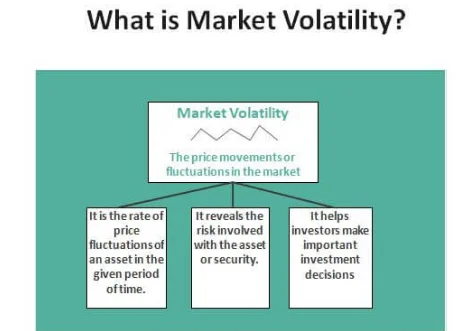
What is Market Volatility in Stock Market?

Volatility can be caused by various factors such as economic indicators, geopolitical events, investor sentiment, or company-specific news.
Market Volatility

Market volatility is the degree of price variation or variability that a financial market or a particular securities experiences over a defined time period. It serves as a gauge for the rate and size of price changes. Prices can move quickly and significantly up or down when the market is extremely volatile. A number of variables, including economic statistics, geopolitical developments, investor sentiment, and company-specific news, can contribute to volatility. For investors, high volatility can bring both possibilities and threats. It increases the possibility of significant losses while also having the ability to yield bigger profits.

How does It Work In Stock Market?

Impact of Market Volatility on Investments

Investment value is directly impacted by market volatility. Prices can change significantly over brief periods of time when markets are extremely volatile. Investors may be able to profit from price changes by taking advantage of this volatility. However, it also raises the possibility of possible losses. The influence of market volatility on investments must be understood by investors.

Advantages and Disadvantages of Market Volatility

Advantages of Market Volatility:

  1. Profit Possibilities: Market turbulence can give investors the chance to earn big profits. Rapid price changes can result in quick profits if investors correctly forecast market moves and place trades at the right time.
  2. Market Liquidity Can Be Improved by larger Trading Volumes: Volatile markets frequently see larger trading volumes. Tighter bid-ask spreads and improved trade execution can both be a result of increased liquidity.
  3. Improved Portfolio Performance: Market volatility can give active traders and investors the chance to outperform benchmark indices. Price fluctuations offer opportunities for savvy market participants to profit and produce larger returns than times of minimal volatility.
  4. A better ability to make investment decisions Volatility may cause investors to review their investment plans and do extensive research. It promotes a deeper examination of businesses, industries, and market trends, resulting in more intelligent investment choices.

DisAdvantages of Market Volatility:

  1. Volatile markets come with increased levels of risk. Prices can move against investors swiftly and unpredictably, resulting in substantial losses. Unsophisticated portfolios are particularly vulnerable to sudden market declines.
  2. High market volatility can cause investors to make decisions out of fear, panic, and other emotions. Impulsive buying or selling might stem from emotional emotions, which could lead to bad investing decisions and possible losses.
  3. Increased Trading expenses: Volatility may be accompanied by greater trading expenses, such as wider bid-ask spreads or higher charges. During times of increased volatility, the cost of carrying out trades and putting risk management methods into action may increase.
  4. Uncertainty and Stress: Investors may experience uncertainty and stress due to volatile markets. Market gyrations and ongoing volatility can be mentally and emotionally taxing, which may impair an investor’s capacity for logical decision-making.

Conclusion

To sum up, market volatility is important stock market factors that have an impact on investors in many ways.

Market volatility has benefits, including the potential for profit, an increase in trading volume, the possibility of improved portfolio performance, and better investing decision-making. But it also has drawbacks, such as higher prices, more emotional decision-making, more risk, and stress and uncertainty.

FOR MORE INFO CLICK THIS SITE: https://learningsharks.in/

FOLLOW OUR PAGE: https://www.instagram.com/learningsharks/?hl=en

Rama Steel shares rise 8% on tie-up with JSW Steels?

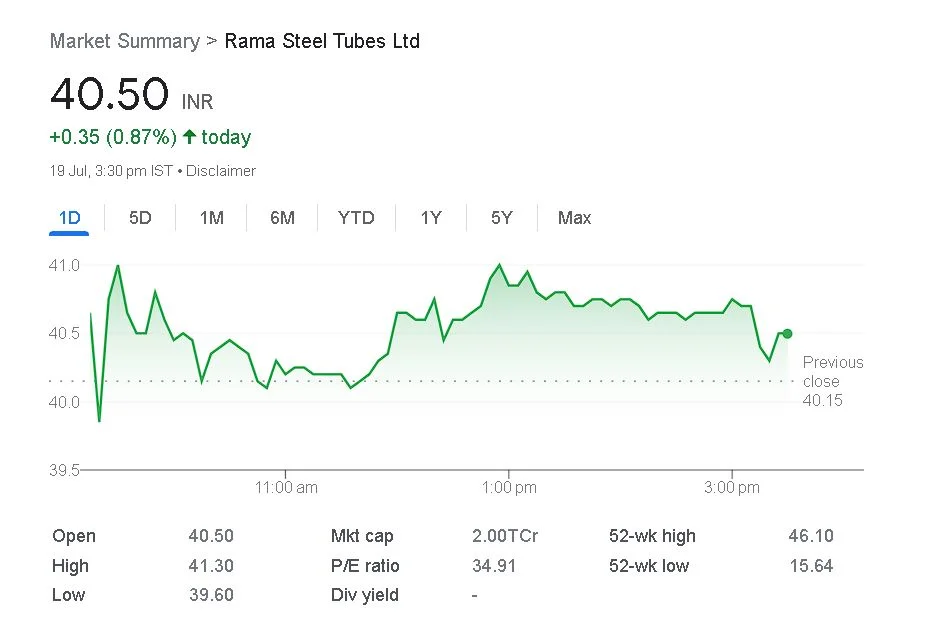
Shares of Rama Steel Tubes increased 7.92% intraday, closing at Rs. 42.24 on the BSE, up from their previous close of Rs. 39.14. The stock rose today, moving closer to the 52-week high of Rs. 46.10 reached on January 10, 2023.

Shares of Rama Steel Tubes Ltd (RSTL) rose 8% today after the steel products maker inked a tie-up up with steel manufacturer JSW Steel. Rama Steel Tubes shares gained 7.92% intraday to Rs 42.24 against the previous close of Rs 39.14 on BSE.
Shares of Rama Steel Tubes are trading above their respective moving averages of 5 days, 20 days, 50 days, 100 days, and 200 days.

INTRODUCTION

After signing a partnership with steel producer JSW Steel, Rama Steel Tubes Ltd. (RSTL) saw an 8% increase in its stock price today. Shares of Rama Steel Tubes increased 7.92% intraday, closing at Rs. 42.24 on the BSE, up from their previous close of Rs. 39.14.

On the BSE, the Rama Steel Tubes shares started unchanged at Rs. 36.61. In one year, Rama Steel Tubes stock increased by 152%, and it will increase by 14.56% in 2023. A total of 178.91 lakh shares of the company were traded, resulting in a BSE turnover of Rs. 69.46 crore. The company’s market value increased to Rs 1889.68 crore.

Technically, the stock’s relative strength index (RSI) is 64, indicating that it is neither oversold nor overbought. Its one-year beta is 1.4, which indicates that there was extremely significant volatility during that time. Shares of Rama Steel Tubes are trading above their respective moving averages of 5 days, 20 days, 50 days, 100 days, and 200 days.

With JSW Steel Limited, India’s largest steel producer, RSTL signs a strategic partnership that is noteworthy for the following reasons:

  1. acquisition of hot-rolled coils (HRC), a component used in the production of steel pipes and tubes by RSTL.
  2. JSW Steel’s HRC production is distributed throughout the entire western area.
  3. Pre-galvanized pipes are being manufactured under a contract with JSW Steel Coated Products Ltd.

The MoU will enable RSTL to purchase 1.00.000 tonnes of HRC from JSW Steel on a pan-India basis to support its production of various steel tubes and pipes, according to Rama Steel. The MoU will provide RSTL more control over its supply chain and procurement while producing competitive raw material costs.

Steel pipes are manufactured and traded by Rama Steel Tubes Limited. Manufacturing steel pipes and associated goods is the company’s line of business. It produces and sells galvanised and black electric resistance weld (ERW) steel tubes.

CONCLUSION

FOR MORE INFO CLICK THIS SITE:https://learningsharks.in/

FOLLOW OUR PAGE:https://www.instagram.com/learningsharks/?hl=en
Understanding the Inner Workings of the Stock Market

Introduction

Welcome to our in-depth guide on the operation of the stock market. We will delve into the stock market’s intricate details in this article, giving you insightful information and a complete understanding of how it operates. This guide will arm you with the information you need to negotiate the complex stock market environment, whether you are an experienced investor or a novice looking to learn more about stocks.

The Basics of the Stock Market

What is the Stock Market?

The stock market, also known as the equity market, serves as a marketplace for buyers and sellers to transact in stocks, which stand for ownership shares in publicly traded corporations. Investors can use it as a market place to buy and sell stocks, bonds, and other securities.

Stock Exchanges

Physical or digital markets where stocks are traded are called stock exchanges. The New York Stock Exchange (NYSE), Nasdaq, London Stock Exchange (LSE), and Tokyo Stock Exchange (TSE) are a few of the most well-known stock exchanges. These marketplaces offer a controlled setting where buyers and sellers can transact.

How Stock Trading Works

Participants in the Stock Market

1. Investors

Investors are any people or businesses that buy and sell stocks. They can be divided into a number of categories, such as individual investors, institutional investors, and professional traders. Every type of investor has particular investment objectives and plans.

2. Stockbrokers

Stockbrokers serve as a go-between between buyers and sellers in the stock market. They execute trades on behalf of investors and provide beneficial guidance and advice. Stockbrokers can be traditional brokerage firms or online brokerages.

Stock Orders

1. Market Orders

A market order is a directive to buy or sell stock at the current market price. When submitting a market order, the rate of execution takes precedence over the trade’s closing price.

2. Limit Orders

An instruction to buy or sell stock at a specified price or higher is known as a limit order. This allows investors to choose the price at which they are willing to buy or sell a stock. Although limit orders give you more control over the execution price, they might not be executed right away if the target price is not reached.

Understanding Stock Price Movements

1. Supply and Demand

The forces of supply and demand determine how much a stock costs. Price tends to rise when there is a high demand for a stock and a constrained supply. On the other hand, if there is a surplus of a good and little demand, the price may fall.

2. Fundamental Analysis

To ascertain a company’s intrinsic value, fundamental analysis entails assessing its financial standing, performance, and prospects for the future. This analysis takes into account variables like revenue, earnings, debt, market trends, and management caliber.

3. Technical Analysis

To forecast future price movements, technical analysis focuses on analyzing historical stock price patterns and market trends. To find potential buying or selling opportunities, it involves analyzing charts, indicators, and other statistical tools.

Risks and Rewards of Stock Market Investing

Risk Factors

1. Market Volatility

Numerous variables, such as the state of the economy, geopolitical developments, and investor sentiment, can cause significant fluctuations in stock prices. Stock market volatility can present investors with both opportunities and risks.

2. Company-specific Risks

Buying individual stocks exposes investors to the risk of company-specific issues like subpar financial performance, problematic management, or legal issues. To lessen these risks, investors should diversify their portfolios and conduct in-depth research.

Rewards of Stock Market Investing

1. Capital Appreciation

The possibility of capital appreciation, where the value of the investment rises over time, exists when investing in stocks. Significant returns may result from this, particularly for long-term investors.

2. Dividends

Some businesses pay dividends to shareholders in the form of a percentage of their profits. Investors may receive dividend payments on a recurring basis.

Conclusion

In conclusion, the stock market is a sophisticated ecosystem where buyers and sellers of securities interact. You can make wise investment choices if you are familiar with the fundamentals of the stock market, the players, and the variables affecting stock prices. Though stock market investing entails risks, with careful consideration, analysis, and a long-term outlook, it can also offer lucrative opportunities for wealth creation.

FOR MORE INFO CLICK THIS SITE:https://learningsharks.in/

FOLLOW OUR PAGE:https://www.instagram.com/learningsharks/?hl=en

The Primary Market: A Comprehensive Guide to New Securities Issuance

Introduction

We warmly welcome you to our thorough primary market guide, where we explore the nuances of new securities issuance and the major players involved. We will give you insightful information and in-depth knowledge about the primary market in this article to help you comprehend its significance and successfully navigate this fast-paced financial environment.

Understanding the Primary Market

New securities are issued and made available to the public for the first time in the primary market. Companies, governments, and other organizations use it as a platform to raise money for their operations, projects, or expansion plans. By giving investors ways to take part in the initial purchase of these securities, the primary market plays a critical role in promoting economic growth.

Key Features of the Primary Market

1. Initial Public Offerings (IPOs)

Initial Public Offerings (IPOs) are a prominent feature of the primary market. An initial public offering (IPO) happens when a privately held business decides to go public by releasing its shares to the public for the first time. Companies can raise capital by offering investors ownership stakes in the form of shares through an IPO.

2. New Debt Issuance

In addition to equity offerings, the primary market is also where new debt is issued. Bonds and other debt instruments are issued by both governments and businesses to raise money. By purchasing these bonds, investors are essentially making a fixed-term loan to the issuing company in exchange for regular interest payments.

3. Pricing and Allotment

Pricing and allotment are crucial steps in the primary market. When pricing securities, the initial offer price must be established. This price is frequently influenced by a number of variables, including market demand, company valuation, and underwriting arrangements. The distribution of securities among investors who have subscribed to the offering is referred to as allocation.

4. Underwriting and Syndication

In the primary market, underwriting is extremely important. The structuring of the offering, establishing the price, and ensuring regulatory compliance are all tasks that investment banks and underwriters help issuers with. Syndicates may be formed by underwriters to distribute the securities among a network of other financial institutions while also aiding in the management of the issuance process.

Participants in the Primary Market

The primary market’s smooth operation is made possible by the cooperation of several important participants. Let’s examine the functions they perform:

1. Issuers

The entities, such as businesses or governments, that seek to raise money by issuing new securities are known as issuers. The kind, quantity, and conditions of the securities they offer in the primary market are decided by them.

2. Investment Banks and Underwriters

Intermediaries between issuers and investors include investment banks and underwriters. They manage the underwriting procedure, help price the securities, assess market conditions, and offer advisory services. These organizations are essential to making sure the offering is successful.

3. Investors

The people or organizations that buy newly issued securities on the primary market are known as investors. They could be high-net-worth individuals looking for investment opportunities, retail investors, or even institutional investors.

Benefits and Risks of the Primary Market

Benefits

  • Capital Formation: The primary market makes it easier for money to come in, allowing businesses and governments to finance their operations, research, and growth strategies.
  • Investment Opportunities: Participating in initial offerings allows investors to gain the potential benefits of capital growth or fixed interest rates.

Risks

  • Market Volatility: The initial valuation and subsequent performance of investments made in the primary market may be impacted by market volatility and fluctuation.
  • Lack of Liquidity: Because secondary market trading may take some time to develop, newly issued securities may initially have limited liquidity.

Conclusion

In conclusion, by facilitating the issuance of new securities, the primary market contributes significantly to the global financial ecosystem. You now have a thorough understanding of the primary market, including its main characteristics, participants, advantages, and risks. Understanding the nuances of the primary market will help you make wise investment choices and successfully negotiate this dynamic environment.

FOR MORE INFO CLICK THIS SITE:https://learningsharks.in/

FOLLOW OUR PAGE:https://www.instagram.com/learningsharks/?hl=en

Understanding the Secondary Market: A Comprehensive Guide

The secondary market is where investors buy and sell securities they already own.
secondary market in stock market

Introduction

The secondary market is crucial to the trading of different financial instruments in the world of finance. It allows investors to buy and sell securities that have already been issued, making it a crucial part of the world financial system. In this thorough guide, we delve into the complexities of the secondary market, looking at its participants, functions, and key distinctions from the primary market.

What is the Secondary Market?

A financial exchange where investors can trade previously issued securities, including stocks, bonds, derivatives, and other investment instruments is known as the secondary market. The secondary market makes it possible for investors to trade these securities, in contrast to the primary market where securities are first issued and sold by businesses. Due to this, existing securities can be bought or sold by both individuals and institutions without the involvement of the issuing company.

Functions of the Secondary Market

Liquidity Provision

Offering investors liquidity is one of the secondary market’s main purposes. The ease with which an asset can be bought or sold without significantly affecting its price is referred to as liquidity. Investors can quickly turn their investments into cash on the secondary market by selling their securities. By ensuring that investors have the freedom to enter or exit positions as needed, this liquidity supports effective capital allocation.

Price Determination

Price setting is yet another essential secondary market function. On the basis of supply and demand dynamics, market prices are established by the ongoing buying and selling of securities in this market. The forces of supply and demand have an impact on security prices, which reflect how much investors believe the underlying assets are worth. Consequently, the secondary market aids in determining the fair market value of securities.

Risk Reduction

The secondary market also helps to lower the risk of investments. The secondary market enables diversification and risk management by giving investors a way to sell their securities, even before their maturity or original term. Investors can lower the risk of their entire portfolio by selling off their holdings in the secondary market, thereby reducing their exposure to a specific security or asset class.

Participants in the Secondary Market

Individual Investors

Retail traders and individual investors both participate actively in the secondary market. They have a variety of options for purchasing and selling securities, including traditional exchanges, online trading platforms, and brokerage companies. Individual investors frequently engage in secondary market trading to increase their wealth, construct portfolios, and produce income from capital gains or dividends.

Institutional Investors

The secondary market is heavily influenced by individual investors, including retail traders. Through a variety of avenues, including brokerage companies, online trading platforms, and conventional exchanges, they can buy and sell securities. The secondary market is frequently used by individual investors to increase their wealth, construct portfolios, and produce income from capital gains or dividends.

Market Makers

Market makers are important participants in the secondary market who are in charge of facilitating trading activities and supplying liquidity. They regularly state the ask and bid prices for particular securities, establishing a market for buyers and sellers. By capturing the difference between the ask and bid prices and ensuring efficient market operations, market makers make money.

Exchanges and Trading Platforms

The secondary market is made more accessible by the intermediary role played by exchanges and trading platforms. Investors can buy and sell securities in a controlled and structured environment thanks to these platforms. The New York Stock Exchange (NYSE), NASDAQ, London Stock Exchange (LSE), and Tokyo Stock Exchange (TSE) are a few examples of well-known exchanges. Online trading platforms have grown in popularity as well, giving people comfortable access to the secondary market from their homes.

Key Differences Between the Secondary Market and Primary Market

Despite their connections, the primary and secondary markets have different functions within the financial ecosystem. Investors and market participants must understand their differences.

Issuance of Securities

Securities are initially issued and sold by businesses or governments in the primary market in order to raise money. The issuing entity receives all proceeds from primary market issuance directly. On the other hand, investors trade previously issued securities among themselves in the secondary market, and the money exchanged does not directly benefit the issuing entity.

Investor Participation

Investors take part in initial public offerings (IPOs) or brand-new bond issuances in the primary market. As a result, they are able to buy securities at the offering price directly from the issuer. The secondary market, in contrast, is accessible to all investors and allows them to trade securities among themselves. Depending on their investment strategies, the state of the market, or shifting financial conditions, investors can enter or exit their positions.

Price Determination

Negotiations between the issuer and the investors take place during the offering process to determine the price in the primary market. Commonly, a number of variables, including the company’s valuation, the state of the market, and investor demand, are used to determine the offering price. Prices on the secondary market are set by buyers’ and sellers’ trading activities and are governed by the forces of supply and demand.

Regulation and Oversight

The primary and secondary markets both function within legal frameworks that guarantee honest and open trading. The issuance of new securities, however, has resulted in stricter regulations for the primary market, where the protection of investors depends on accurate information disclosure. The secondary market complies with regulations as well, but it places more of an emphasis on ensuring effective trading and preserving market integrity.

Conclusion

A key supporter of the global financial system, the secondary market enables investors to trade existing securities and offers liquidity, price discovery, and risk mitigation. Investors who want to navigate the complexity of the financial markets must have a solid understanding of the secondary market’s participants and functions. Investors can make wise decisions and take full advantage of investment opportunities by understanding the key distinctions between the primary market and the secondary market.

FOR MORE INFO CLICK THIS SITE:https://learningsharks.in/

FOLLOW OUR PAGE:https://www.instagram.com/learningsharks/?hl=en

The London Stock Exchange (LSE): A Comprehensive Overview

The London Stock Exchange (LSE) rivals the New York Stock Exchange (NYSE) in terms of market capitalization, trade volume, access to capital, and trade liquidity.
London stock exchange

Introduction

Welcome to our in-depth guide to the London Stock Exchange (LSE), one of the most prestigious financial markets in the world. In this article, we delve into the LSE’s complexities, looking at its background, organizational structure, distinguishing characteristics, and the various elements that contribute to its prominence in the world of finance.

History of the London Stock Exchange

The London coffeehouses of the 17th century are where the London Stock Exchange got its start. The first exchange, founded in 1698 by a group of stockbrokers, eventually developed into the LSE that exists today. The exchange has grown significantly over the centuries, adjusting to shifting market dynamics and technological advancements.

Structure and Operations

Main Market

The LSE’s Main Market, which serves established, large companies, is where most of its listings take place. Reputable companies from different sectors, both domestic and foreign, are located in this segment. Companies listed on the Main Market follow strict regulatory guidelines, ensuring accountability and transparency.

Alternative Investment Market (AIM)

Smaller and developing businesses can use the Alternative Investment Market (AIM) as a platform to access the capital markets. AIM provides a more accommodating regulatory environment that enables businesses to raise money for growth and innovation. A number of notable success stories have emerged over the years, and it has grown in popularity as a starting point for entrepreneurial endeavors.

Trading Mechanism

The London Stock Exchange (LSE) runs a platform for electronic trading called the London Stock Exchange Electronic Trading Service (SETS). Equities, bonds, and derivatives can all be traded effectively and transparently thanks to this system. Access to real-time trading data is made available to market participants by SETS, which ensures fair price discovery.

Key Market Indices

FTSE 100

The FTSE 100 index, also known as the “Footsie,” is the principal index of the London Stock Exchange. Based on market capitalization, it displays the performance of the top 100 companies that are listed on the exchange. A popular benchmark for the UK stock market, the FTSE 100 is closely watched by investors all over the world.

FTSE 250

The 250 companies that rank after the FTSE 100 in terms of market capitalization make up the FTSE 250 index. It offers investors additional investment opportunities and offers a wider perspective on the performance of mid-cap companies.

FTSE All-Share

The full range of businesses listed on the LSE is represented by the FTSE All-Share index. It consists of businesses from the FTSE 100, FTSE 250, and other smaller market segments. The performance of the UK stock market is thoroughly measured by the FTSE All-Share index.

Benefits of Listing on the London Stock Exchange

Access to Capital

Companies that list on the LSE have the chance to raise money from a variety of investors, such as institutional investors, retail investors, and participants in international markets. This financial accessibility can support growth, R&D, and other strategic initiatives.

Enhanced Visibility and Reputation

A company’s visibility and reputation are improved by being listed on the LSE, which inspires confidence in investors and stakeholders. It denotes adherence to stringent governance guidelines and standards, which may draw in investors and potential business partners.

Liquidity and Trading Volume

The LSE provides a liquid market for listed securities thanks to its high trading volume and liquidity. The ease with which investors can buy and sell shares is ensured by high liquidity, and market participants looking for lively and dynamic trading environments are drawn to markets with high trading volumes.

The Impact of Technology on the London Stock Exchange

The LSE and the entire financial sector have been significantly impacted by the development of technology. The speed and effectiveness of trading operations have been revolutionized by the adoption of electronic trading systems, algorithmic trading, and high-frequency trading. These technological developments have improved price discovery, expanded market access, and promoted greater market transparency.

Conclusion

The London Stock Exchange (LSE) is a representation of superior financial performance and importance on a global scale. The LSE continues to play a crucial role in facilitating capital formation and promoting economic growth thanks to its rich history, diverse market segments, and technological advancements. The London Stock Exchange (LSE) offers a platform that combines tradition, innovation, and exceptional market performance, whether you are a company seeking funding or an investor looking for opportunities.

FOR MORE INFO CLICK THIS SITE:https://learningsharks.in/

FOLLOW OUR PAGE:https://www.instagram.com/learningsharks/?hl=en
Discount Brokers: Unleashing the Power of Cost-Effective Trading

Introduction

Investors are constantly looking for efficient and affordable solutions to manage their portfolios in today’s fast-paced financial environment. Discount brokers come into play in this situation, completely altering how businesses and individuals trade on the stock market. Discount brokers, as opposed to full-service brokers, provide a variety of services for a lot less money, enabling investors to increase their returns. In this article, we explore discount brokers and their main benefits and features, as well as how they can help your investment strategy.

Understanding Discount Brokers

What is a Discount Broker?

As suggested by the name, a discount broker is a type of full-service broker that executes trades on behalf of clients while charging lower commissions. These brokers typically work online, utilizing technology to speed up the trading process and give their customers affordable services. Discount brokers pass on significant savings to their clients by doing away with unnecessary extras and individualized investment advice, making investing more accessible to a wider range of people.

How Do Discount Brokers Work?

Discount brokers provide a user-friendly online trading environment that enables clients to carry out trades on their own. Access to numerous financial markets, including those for stocks, bonds, options, exchange-traded funds (ETFs), and more, is made available by them. Investors can efficiently research, evaluate, and trade securities thanks to user-friendly interfaces. In order to help investors make wise decisions, discount brokers also provide useful tools and resources like real-time market data, charts, and educational materials.

Advantages of Discount Brokers

Cost Savings

The affordability of discount brokers is one of their main benefits. These brokers enable investors to keep more of their investment returns by assessing lower commissions per trade. These savings can quickly add up for those who trade frequently or who have sizable portfolios, possibly resulting in sizable long-term gains.

Broad Market Access

Investors have access to a variety of financial markets and investment products thanks to discount brokers. Discount brokers typically provide a wide variety of stocks, bonds, options, and exchange-traded funds (ETFs) whether you’re interested in domestic or foreign securities. Investors can diversify their portfolios and investigate various investment opportunities thanks to the variety of offerings.

User-Friendly Platforms

Discount brokers concentrate on creating intuitive and user-friendly online trading platforms in order to serve both inexperienced and seasoned investors. These platforms frequently offer customizable dashboards, sophisticated charting tools, real-time quotes, and the ability to execute orders. These approachable user interfaces streamline the trading process and make it simple for investors to keep an eye on their portfolios and place trades.

Educational Resources

To assist investors in improving their financial literacy and trading abilities, many discount brokers offer extensive educational resources. A wide range of topics, from fundamental investing principles to sophisticated trading strategies, are covered in these resources, which may also include articles, videos, webinars, and online courses. Discount brokers enable investors to make wise investment decisions by supplying them with important information.

Customer Support

Discount brokers do not typically provide individualized investment advice, but they do offer customer service to help customers with technical problems, platform navigation, and general questions. Investors can get prompt assistance when needed via email, phone, or live chat, ensuring a smooth and trouble-free trading experience.

Choosing the Right Discount Broker

When selecting a discount broker, it’s essential to consider several factors to align with your investment goals and trading preferences:

  1. Commission Structure: To determine the total cost of trading, compare commission costs, account fees, and any other costs.
  2. Trading Tools and Platform: Examine the trading platform’s features, including its usability, charting tools, and research resources.
  3. Market Access: Make sure the broker has access to the particular financial markets and investment products you are looking for.
  4. Customer Support: Take into account the accessibility and responsiveness of customer support channels because effective support is often essential when engaging in trading activities.

Conclusion

Discount brokers have changed the way people invest by giving people a convenient and affordable way to participate in the financial markets. These brokers enable individuals and institutions to take control of their portfolios and realize their financial objectives by providing competitive commission rates, user-friendly trading platforms, and a wide range of investment opportunities. Examine each discount broker’s offerings carefully before selecting the one that most closely matches your investment goals. Take advantage of cost-effective trading to your advantage and start your investment journey with a reputable discount broker right away.

FOR MORE INFO CLICK THIS SITE:https://learningsharks.in/

FOLLOW OUR PAGE:https://www.instagram.com/learningsharks/?hl=en

Stock Market WhatsApp Group Links of July [2023]

WhatsApp group links for Stock Market for 2023
WhatsApp Group Links for Stock Market

Rules for Stock Market WhatsApp Group

1.The WhatsApp group does not allow racists to join.
2.Jokes on politics and religion ought to be avoided since they could get very messy.
3.The names and photos of groups cannot be changed.

4.The WhatsApp group is open to joining and leaving at any time.
5.Respect must be reciprocated.
6.Contact the admin if you need assistance in any kind.

Active Stock Market WhatsApp Group Links

  • Intraday Bank nifty Expert – Join
  • Intraday Bank nifty.Nifty.Equity Option ||GROWW CAPITAL|| – Join
  • Daily Nifty Banknifty sureshot Levels – Join
  • Nifty Banknifty Sureshot Levels – Join
  • Scalpers trading co. 2 – Join
  • Forex Trading WhatsApp Group
  • Share Market Channel – Join
  • Growmore – Join
  • make profit strategy – Join
  • Credit Card & loan Service – Join
  • Au Bank Credit Offer – Join
  • Welthier India G5 – Join
  • T-Town Trading – Join
  • Td24- Earn in Stocks3 – Join
  • Trader of double your money – Join
  • The future Trader 🚀✅ – Join
  • Vip Binance Signal – Join
  • Forex Vip Signal – Join
  • stock market – Join
  • Daily FO Trading 🤑 – Join
  • ICICI demat account – Join
  • TATA MATUAL FUNDS TRUST – Join
  • PAISA DOUBLE TRUSTED GROUP – Join
  • Stock market investment – Join
  • Stock market world  – Join
  • Mining Expert Support – Join
  • stock market – Join
  • Olymp Trade Signals – Click Here 
  • STOCK MARKET – Join
  • Stock market – Join
  • Anmol Stocks 2 – Join
  • STOCK DISCUSSION ADDA – Join
  • Kucoin trader and signals – Join
  • Big Bull Traders 2 – Join
  • Master Trader – Join
  • ARNING WITH TRADER –  IND – Join
  • OLYMP TRADE Signals – Join
  • Future Trader  – Join
  • Big Bull Traders 1 – Join
  • Free Share market Classe – Join
  • Raaza the forex – Join 
  • Stock market – Join 
  • PROFIT DYNAMIC – Join 
  • stockmarket trading –Join 
  • Stock Market – Join 
  • Security deposits  – Join 
  • Secret Trading – Join 
  • Nc trading/options – Join 
  • India FVP Trade  – Join 
  • stock market – Join 
  • IFO Invest founds – Join 
  • DTC Stock Market – Join 
  • education on stock research – Join 
  • Banknifty nifty  – Join 
  • Banknifty option future – Join 
  • Intraday Kings – Join 
  • Trading academy  – Join 
  • Share make money – Join 
  • BANKNIFTYCL – Join 
  • Share market – Join 
  • PEASTO OFFICIAL – Join 
  • trading – Join 
  • Choice broking – Join 
  • future bulls – Join 
  • Trading sharemarket – Join 
  • Sharemarket free calls – Join 
  • Surplua stock lot – Join 
  • Only investors group – Join 
  • BANKNIFTY  POINT MINIMUM – Join 
  • Bright life investment – Join 
  • Share market  – Join 
  • Stock Future Positional Call – Join 
  • Stock Market earn – Join 
  • Share market group – Join 
  • free stock market  – Join 
  • Gromo – Join 
  • Adsexchang – join 
  • Banknifty perineum – Join 
  • Stocks Trader – Join 
  • Stock Market School – Join 
  • Stock Market School – Join 
  • BNB FUTURE – Join 
  • STOCK MARKET SCHOOL – Join 
  • Learn Financial Market – Join 
  • BANKNIFTY TRASES – Join 
  • Stock market analysis – Join 
  • Djkhan forex MASTER – Join 
  • STOCK MARKET KE NAWAB – Join
  • NYSE STOCK MARKET – Join 
  • SSE SZSE STOCK MARKET  – Join 
  • NGR INVESTMENT  – Join 
  • BANKNIFTY and Nifty traders – Join 
  • Loss recover  – Join 
  • DEMAT ACCOUNT FREE EARNING – Join 
  • Option trading night – Join  
  • Option king – Join 
  • Om sai share trading Academy – Join 
  • Sensex_Banknifty – Join
  • Business – Join 
  • F&O traders – Join 
  • Share market – Join
  • The index points – Join
  • Bank Nifty Masters – Join
  • INVEST FINVEST – Join
  • Bank nifty option group – Join
  • Traders Terminal – Join
  • Traders Terminal 2 – Join
  • Traders Terminal 3 – Join
  • BANKNIFTY SHARE MARKET – Join
  • Upstock – Join
  • Share Market Training – Join
  • STOCK WAY – Join
  • BANKNIFTY – Join
  • Latur WhatsApp Group
  • BANKNIFTY 02 – Join
  • DEMO TRADERS – Join
  • BANK NIFTY &NIFTY OPTION – Join
  • Option trending nifty 50 – Join
  • Bank nifty and nifty – Join
  • DEMO BNK NFTY 3DAYS – Join
  • Bank Nifty Masters Original – Join
  • Nifty and Banknifty F&O – Join
  • Share market – Join
  • FOREX_TRADERS – Join
  • Frustum Fashion Apparels – Join
  • NIFTY ST₹EET bets ₹ – Join
  • StockPro2 – Join
  • Banknifty nifty tips – Join
  • Share Market Hub – Join
  • Cryptocurrency WhatsApp Group
  • Share Market 2021 – Join
  • Traders Venue – Join
  • Share Market Hub – Join
  • Stock news – Join
  • Fortune flows investment – Join
  • Stock market Information – Join
  • Stock market Information – Join
  • The Stock Bull – Join
  • Pi Network – Join
  • The Stock Bull 2 – Join
  • stock market information – Join
  • stock market Tips – Join
  • Stock Market Tips – Join
  • RAJ FINANCIALS – Join
  • Earn $1000 BTC invest – Join
  • My Stocks – Join
  • Nifty Index Trading – Join
  • STOCK MARKET 2021 – Join
  • Stock Market – Join
  • Stock Market Groups – Join
  • Nifty Options – Join
  • Group11 Stock Market – JOIN
  • Free Forex Signals – JOIN
  • CRUDE Expert – JOIN
  • Trading WhatsApp Group
  • Investment Guru – JOIN
  • Trade warriors – JOIN
  • Investment option – Join
  • Share Market Hub – Join
  • Stock market tips – Join
  • DEMO BANK NIFTY 3DAYS – Join
  • Share market Hub – Join
  • Happy World Trade – JOIN
  • Zerodha Accounts – JOIN
  • Stonks Daily – JOIN
  • Movies WhatsApp Group
  • Stock Trading – JOIN
  • EQUITY & FUTURES EXPERT – JOIN
  • Stock market analysis – Join 
  • Djkhan forex MASTER – Join 
  • Forex Trading WhatsApp Group
  • STOCK MARKET KE NAWAB – Join
  • NYSE STOCK MARKET – Join 
  • SSE SZSE STOCK MARKET  – Join 
  • NGR INVESTMENT  – Join 
  • BANKNIFTY and Nifty traders – Join 
  • Loss recover  – Join 
  • DEMAT ACCOUNT FREE EARNING – Join 
  • Option trading night – Join  
  • Option king – Join 
  • Om sai share trading Academy – Join 
  • Sensex_Banknifty – Join
  • Business – Join 
  • F&O traders – Join 
  • Share market – Join
  • The index points – Join
  • Bank Nifty Masters – Join
  • INVEST FINVEST – Join
  • Bank nifty option group – Join
  • Traders Terminal – Join
  • Traders Terminal 2 – Join
  • Traders Terminal 3 – Join
  • BANKNIFTY SHARE MARKET – Join
  • Upstock – Join
  • Share Market Training – Join
  • STOCK WAY – Join
  • BANKNIFTY – Join
  • Latur WhatsApp Group
  • BANKNIFTY 02 – Join
  • DEMO TRADERS – Join
  • BANK NIFTY &NIFTY OPTION – Join
  • Option trending nifty 50 – Join
  • Bank nifty and nifty – Join
  • DEMO BNK NFTY 3DAYS – Join
  • Bank Nifty Masters Original – Join
  • Nifty and Banknifty F&O – Join
  • Share market – Join
  • FOREX_TRADERS – Join
  • Frustum Fashion Apparels – Join
  • NIFTY ST₹EET bets ₹ – Join
  • StockPro2 – Join
  • Banknifty nifty tips – Join
  • Share Market Hub – Join
  • Cryptocurrency WhatsApp Group
  • Share Market 2021 – Join
  • Traders Venue – Join
  • Share Market Hub – Join
  • Stock news – Join
  • Fortune flows investment – Join
  • Stock market Information – Join
  • Stock market Information – Join
  • The Stock Bull – Join
  • Pi Network – Join
  • The Stock Bull 2 – Join
  • stock market information – Join
  • stock market Tips – Join
  • Stock Market Tips – Join
  • RAJ FINANCIALS – Join
  • Earn $1000 BTC invest – Join
  • My Stocks – Join
  • Nifty Index Trading – Join
  • STOCK MARKET 2021 – Join
  • Stock Market – Join
  • Stock Market Groups – Join
  • Nifty Options – Join
  • Group11 Stock Market – JOIN
  • Free Forex Signals – JOIN
  • CRUDE Expert – JOIN
  • Trading WhatsApp Group
  • Investment Guru – JOIN
  • Trade warriors – JOIN
  • Investment option – Join
  • Share Market Hub – Join
  • Stock market tips – Join
  • DEMO BANK NIFTY 3DAYS – Join
  • Share market Hub – Join
  • Happy World Trade – JOIN
  • Zerodha Accounts – JOIN
  • Stonks Daily – JOIN
  • Movies WhatsApp Group
  • Stock Trading – JOIN
  • EQUITY & FUTURES EXPERT – JOIN

FOLLOW OUR WEBSITE:https://learningsharks.in/

FOLLOW OUR PAGE: https://www.instagram.com/learningsharks/

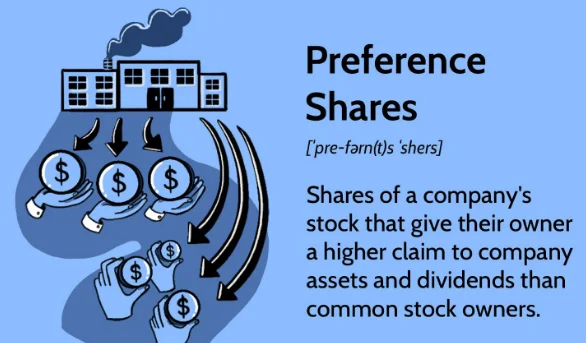
What is Preference Share in Stock Market?

Preference shareholders have a preferential right to receive dividends before ordinary shareholders.
Preference Share

A sort of ownership interest in a firm that has specific preferences or priority over common shares is referred to as preferred shares, also known as preferred shares or preferred stock. Preference shares have elements of both debt and equity transactions. An overview of preference shares on the stock market is provided below:

  1. Priority in Dividends: Preference shareholders are given preference over ordinary shareholders in receiving dividend payments. Preference shares typically have a fixed dividend rate or one that is established using a predetermined formula. Preference shareholders often receive a fixed dividend payment or a specific proportion of the par value of the shares, as opposed to regular shareholders who receive fluctuating dividends.
  2. Voting Rights: Preference shareholders typically have few or no voting rights within the corporation. They could be able to vote on issues that directly impact their rights, including alterations to the conditions of their preference shares, but they usually don’t have the same level of influence over policy as regular shareholders.
  3. Priority in Liquidation: Compared to common shareholders, preference shareholders have a higher claim to the company’s assets in the event of liquidation or bankruptcy. Prior to common shareholders, they are entitled to their investment’s return and any unpaid dividends. Preference shareholders still have a lower priority than bonds and other creditors.
  4. Less Price fluctuation: Compared to ordinary shares, preference shares often display less price fluctuation. They resemble debt securities more due to their fixed dividend payments and order of asset distribution. As a result, preference shares frequently exhibit more stable price movements, which may appeal to investors looking for an income stream that is more predictable.
  5. Call and Conversion Rights: Some preference shares could have a call provision that entitles the issuer to buy back the shares at a predetermined price after a predetermined amount of time at a predetermined price. Furthermore, some forms of preference shares could feature conversion rights that allow shareholders to convert their preference shares into common shares at a set ratio or under particular circumstances.
  6. Preference shares can be further divided into cumulative and non-cumulative categories. Any unpaid dividends are accumulated on cumulative preference shares and must be paid to shareholders before regular dividends are payable in succeeding years. Unpaid dividends are not carried forward for non-cumulative preference shares.
  7. Investors looking for both income and capital preservation frequently favour preference shares. They offer a certain level of stability and security due to their fixed dividend payments and priority in liquidation. In contrast to common shares, they often offer less opportunity for capital growth. Prior to making an investment decision, investors should thoroughly evaluate the terms and characteristics of preference shares while taking their financial goals and risk tolerance into account.

How Does it Work in Stock Market?

Preference shares function similarly to ordinary shares in terms of purchasing, selling, and trading on the stock market. Preference shares operate as follows in the stock market:

  1. Preference shares may be issued by businesses to raise finance. The terms and conditions of the preference shares are set by the corporation, and these include the dividend rate, payment frequency, call provisions, conversion rights, and any other elements that may be pertinent. The prospectus or offering document contains a description of these specifics.
  2. Preference shares may be listed on a stock exchange after being issued, enabling trading in them. Investors may purchase and sell preference shares using brokerage accounts or other recognised trading platforms thanks to the listing.
  3. Selling and Buying: Investors who are interested in buying preference shares may submit buy orders with their brokers, stating the number of shares they wish to purchase and the price at which they are prepared to do so. On the other hand, shareholders who wish to sell their preference shares may do so by submitting sell orders that detail the quantity of shares they wish to sell as well as the lowest price they are prepared to accept.
  4. Market orders and limit orders: When trading preference shares, investors have the same options as when trading regular shares: they can select between market orders and limit orders. A market order directs the broker to carry out the transaction right away at the current market price. With a limit order, investors can specify a price at which they are willing to purchase or sell, and the trade will only be performed at that price.
  5. Dividend Payments: As opposed to common shareholders, preference shareholders are entitled to dividend payments first. Preference shares typically have a fixed dividend rate or one that is determined using a predetermined formula. According to the terms and conditions outlined at the time of issuance, dividends are paid to preference shareholders prior to any dividends being given to common shareholders.
  6. Price fluctuations: A number of variables, such as market circumstances, corporate performance, changes in interest rates, and investor attitude, can have an impact on the price of preference shares. Price changes could happen, however due to their set dividend payments and debt-like qualities, preference shares often exhibit less price volatility than regular shares.
  7. Redemption and Conversion: Some preference shares could include call provisions, which offer the business the opportunity to redeem the shares at a predetermined price after a predetermined amount of time. Some preference shares may additionally have conversion rights attached, enabling shareholders to convert their preference shares into common shares under specific conditions.

Advantages and Disadvantages of Preference Share

Advantages of Preference Share

Preference shareholders benefit from receiving fixed dividend payments, which are often made at a certain rate or decided using a formula. For investors, this can offer a steady and predictable income stream, which may be appealing to those looking for consistent cash flow.

  • Dividend Priority: Preference shareholders get dividends with a greater priority than common shareholders. Because they are entitled to dividends before common shareholders, preference shareholders’ income security is increased.
  • Priority in Liquidation: Compared to common shareholders, preference shareholders have a higher claim to the company’s assets in the event of liquidation or bankruptcy. Prior to common shareholders, they are entitled to their investment’s return and any unpaid dividends. For preference shareholders, this preference in asset allocation provides some measure of protection.
  • Less fluctuation: Compared to common shares, preference shares often show less price fluctuation. They are more stable due to their fixed dividend payments and debt-like qualities, drawing in more risk-averse and income-seeking investors.
  • Conversion rights and call options: Some preference shares grant shareholders the option to convert their preference shares into common shares at a fixed ratio or under certain circumstances. If the company’s common shares do well, this conversion mechanism gives investors the chance to take part in possible financial appreciation. Additionally, if the corporation decides to repurchase the preferred shares, call clauses may give shareholders the option of an early redemption.

Disadvantages of Preference Share

  • Limited Potential for Capital Appreciation: Preference shares typically have less potential for capital appreciation than ordinary shares. Preference shareholders may not profit from considerable gains in the company’s value above the predetermined dividend rate due to their fixed dividend payments and precedence in liquidation.
  • Preference shareholders frequently have fewer or no voting rights in the corporation. Even while they might be able to vote on particular issues that directly impact their rights, they usually don’t take part in the same level of decision-making as regular shareholders. For investors looking to have a say in company concerns, this lack of influence may be a drawback.
  • Preference share prices may alter in response to changes in interest rates, which is known as interest rate sensitivity. Existing preference shares may lose value when interest rates increase because investors may seek better returns from fresh investments. This sensitivity to interest rates may have an impact on the market value of preference shares.
  • Preference shareholders have a larger claim than common shareholders, but in the event of bankruptcy or liquidation, they still come in last behind bondholders and other creditors. Preference shareholders may still be at danger of losing all or part of their investment in circumstances where a company’s assets are insufficient to meet all liabilities.

Conclusion

In conclusion, preference shares include a number of benefits and drawbacks that investors should take into account. The main benefits are predictable dividend payments, first dibs on dividends and assets upon liquidation, less price volatility, and potential conversion or call options. Investors looking for consistent income and capital preservation may find these aspects appealing.

Preference shares do have some restrictions, though. They frequently have limited voting rights, which may limit shareholder impact on corporate decisions, and generally offer less potential for capital appreciation than regular shares. Investors who own preference shares still run the risk of subordination in the case of bankruptcy, and preference shares might be sensitive to changes in interest rates.

Investors should carefully balance these benefits and drawbacks while taking their financial goals, risk tolerance, and income needs into account. Investors might choose to include preference shares in their investing portfolios with confidence by conducting thorough research and consulting with a financial advisor.

Understanding each preference share’s individual terms and features, such as dividend rates, redemption clauses, conversion possibilities, and voting rights, is crucial since these elements can have a big impact on the investment’s overall risk and possible returns. Investors who use preference shares to trade stocks can navigate the stock market with confidence by taking these aspects into account.

FOR MORE INFO CLICK THIS SITE: https://learningsharks.in/

FOLLOW OUR PAGE: https://www.instagram.com/learningsharks/?hl=en