
Learning sharks-Share Market Institute


Rajouri Garden  8595071711 7982037049  Noida 8920210950 , and  Paschim Vihar  7827445731  

Fee revision notice effective 1st Jan 2026; No change for students enrolled before 15th Jan 2026

Download “Key features of Budget 2024-2025here

Benefits of a Demat Account: Streamlining Your Investments

A critical tool for maximizing your wealth and safekeeping, Demat accounts make share trading quick and easy.
Demat Account in Stock Market

Introduction

Welcome to our detailed guide to the advantages of a Demat account. We understand the importance of efficient and secure investment management because we are avid investors ourselves. In this article, we will look at the numerous benefits of having a Demat account, which will not only protect your financial assets but will also simplify your investment journey.

What is a Demat Account?

A Demat (short for Dematerialized) account is a digital account that allows you to hold your financial securities. Without the need for physical certificates, a Demat account allows you to store and trade various types of securities such as stocks, bonds, mutual funds, exchange-traded funds (ETFs), and government securities.

Benefits of a Demat Account

  1. Convenient and easy access
    A Demat account allows you to easily access your investment portfolio. The days of managing physical share certificates or bonds are long gone. You can view and track your holdings, monitor market trends, and execute transactions from the comfort of your own home or office with just a few mouse clicks.
  2. Trustworthy and secure
    One of the primary benefits of a Demat account is the increased security it provides. The risk of loss, theft, or damage associated with physical certificates is eliminated by holding your securities in electronic form. Furthermore, reputable depository participants guarantee the safety and integrity of your holdings, giving you peace of mind.
  3. Transactions that do not require paper
    A Demat account allows you to conduct paperless transactions. Whether you are buying or selling securities, the entire transaction is done electronically, which reduces paperwork and associated hassles. This not only saves time but also contributes to a greener environment by reducing the amount of paper used.
  4. Uncomplicated Portfolio Diversification
    Diversification is an important strategy for reducing investment risks. A Demat account gives you access to a diverse range of investment options across multiple asset classes. This enables you to easily diversify your portfolio by spreading your investments across various industries, sectors, and geographies.
  5. Quick and Efficient Settlements
    Trade settlement could take several days or even weeks in the traditional paper-based system. Transactions with a Demat account, on the other hand, are settled in much less time. This ensures faster access to funds following the sale of securities, allowing you to make better use of your funds.
  6. Budget-Friendly
    Maintaining a Demat account is generally inexpensive, especially when compared to the costs of physical securities. The elimination of stamp duty, handling fees, and other associated costs makes a Demat account appealing to investors looking to reduce their expenses.
  7. Access to Corporate Benefits
    You gain easy access to corporate benefits such as dividends, bonus shares, and rights issues when you hold securities in electronic form. These advantages are automatically credited to your Demat account, ensuring that you do not miss out on opportunities to increase your investment returns.
  8. Simplified Nomination Process
    A Demat account makes the nomination process easier by allowing you to name nominees for your holdings. In the event of unforeseen circumstances, this ensures a smooth transfer of assets to your loved ones, providing financial security and peace of mind.

Type of Demat Account

  • Regular Account– This account is primarily for Indian traders.
  • Non-Resident Indians use this account, which plays an active role in transferring funds abroad. The Repatriable account must be linked to the NRE account.
  • Non-Repatriable Account– This is a type of Repatriable Account that is also used by Non-Resident Indians. This account, however, cannot be used to transfer funds abroad, and it requires an associated NRO bank account to function properly.

Conclusion


Finally, a Demat account provides numerous advantages that streamline your investment journey and improve your overall experience. A Demat account allows you to take control of your investments by providing easy access, enhanced security, paperless transactions, and the ability to diversify your portfolio. Furthermore, quick settlements, low costs, and access to corporate benefits make a Demat account an invaluable tool for modern investors.

FOR MORE INFO CLICK THIS SITE:https://learningsharks.in/

FOLLOW OUR PAGE:https://www.instagram.com/learningsharks/?hl=en

Comprehensive Guide to Different Types of Demat Accounts in India

Open Demat account, how we open our Demat account which demat is best for trading which bank is best for Demat account
A Demat account holds the securities (bonds, shares, mutual funds, etc.) digitally, while a trading account is used to place orders in the share market.

Introduction

Welcome to our detailed guide to the various types of demat accounts available in India. In this article, we will go over various demat account options, their features and benefits, and how to choose the best one for your investment needs. Understanding the various types of demat accounts is essential for seamless and hassle-free investment in the Indian stock market, whether you are a novice investor or an experienced trader.

1. Basic Services Demat Account (BSDA)

The Basic Services Demat Account (BSDA) is intended for small investors who only hold a few securities. Here are some key characteristics of a BSDA:

  • There are no annual maintenance charges (AMC) for accounts up to Rs. 50,000.
  • AMC is limited to Rs. 100 for accounts worth between Rs. 50,001 and Rs. 2,000,000.
  • There are no fees for up to 20 transactions per year.
  • Individuals who want to start investing with a small portfolio will find this option ideal.

2. Regular Demat Account

A regular demat account is appropriate for investors who trade in the stock market on a regular basis. It provides a diverse set of features and services. Here are some of the benefits of a regular demat account:

  • There are no restrictions on the number of securities you may own.
  • Any registered depository participant (DP) can open the account.
  • Maintenance fees vary according to the number of transactions and the value of holdings.
  • Access to a variety of investment opportunities, including equity shares, bonds, mutual funds, and more.

3. Repatriable Demat Account (NRI Demat Account)

The Repatriable Demat Account, also known as the NRI Demat Account, is for non-resident Indians (NRIs) who want to invest in the Indian stock market. The following are the key characteristics of an NRI Demat Account:

  • Allows NRIs to hold and manage Indian securities electronically.
  • Transactions are made in Indian rupees (INR).
  • The funds in the account can be transferred to a foreign bank account.
  • An NRE (Non-Resident External) or NRO (Non-Resident Ordinary) savings account is required.

4. Non-Repatriable Demat Account (NRO Demat Account)

The NRO Demat Account, also known as the Non-Repatriable Demat Account, is similar to the NRI Demat Account but has some restrictions on fund repatriation. The following are the key characteristics of an NRO Demat Account:

  • Allows non-resident Indians to invest their foreign earnings or income in the Indian stock market.
  • Transactions are made in Indian rupees (INR).
  • Funds cannot be freely repatriated and must adhere to strict RBI guidelines.
  • An NRO (Non-Resident Ordinary) savings account is required.

5. Beneficiary Owner (BO) Account

The Beneficiary Owner (BO) Account is intended for people who want to hold securities on behalf of others. Stockbrokers, financial institutions, and custodians frequently use it. The following are the primary characteristics of a BO Account:

  • Securities are held on behalf of clients or beneficiaries.
  • Allows for the smooth transfer of securities between clients and beneficiaries.
  • Allows for greater flexibility and convenience when managing multiple accounts.
  • This necessitates proper authorization and adherence to regulatory guidelines.

6. Corporate Demat Account

The Corporate Demat Account is designed specifically for companies, organizations, or institutions to electronically hold and manage their securities. The following are the key characteristics of a Corporate Demat Account:

  • Allows corporations to hold shares and other securities electronically.
  • Reduces the time it takes to issue and transfer securities.
  • Simplifies regulatory and compliance requirements.
  • Allows for more efficient management of corporate investments.

Conclusion


To summarize, understanding the various types of demat accounts available in India is critical for individuals and businesses looking to invest in the stock market. Whether you are a small investor, an NRI, or a corporate entity, each type of demat account caters to specific needs and requirements.

We hope this comprehensive guide has given you useful information about the various demat account options in India. When choosing the best demat account for your needs, keep your investment goals, trading frequency, and regulatory compliance in mind.

FOR MORE INFO CLICK THIS SITE:https://learningsharks.in/

FOLLOW OUR PAGE:https://www.instagram.com/learningsharks/?hl=en

How is early retirement bad?

Introduction

Many people have long thought that early retirement was a desirable option. The idea of getting away from the daily grind and living a more leisurely lifestyle can be appealing. However, before making such a major decision, it is critical to consider the potential disadvantages of early retirement. The purpose of this article is to shed light on the disadvantages of retiring early, emphasizing the importance of careful thought and planning.

Understanding Early Retirement

Defining Early Retirement

Early retirement is the decision to leave the traditional workforce and retire from full-time employment at a much younger age than the traditional retirement age (typically 65 years). It allows people to enjoy their retirement years while remaining financially independent.

The Power of Financial Freedom

One of the primary advantages of early retirement is the ability to achieve financial independence. Individuals can build a solid financial foundation that supports their desired lifestyle by saving diligently, investing wisely, and managing expenses. Early retirement liberates you from the constraints of a 9-to-5 job, allowing you to pursue passions, hobbies, and personal goals.

Common Misconceptions Debunked

Myth: Early Retirement Leads to Boredom

Contrary to popular belief, early retirement does not imply a life devoid of purpose or engagement. In fact, it provides numerous opportunities to pursue new interests, participate in meaningful activities, and make a positive difference in your community. You can ensure that your days are filled with meaning and enjoyment by planning for a fulfilling retirement.

Myth: Early Retirement Jeopardizes Financial Security

While meticulous planning for early retirement is essential, it does not imply jeopardizing your financial security. Early retirement can provide a secure and stable financial future with careful financial planning, a well-structured investment portfolio, and wise decision-making. It is critical to work with financial advisors and experts to develop a solid retirement plan that is tailored to your specific needs and goals.

Steps to Achieve Early Retirement

Step 1: Set Clear Financial Goals

Setting clear financial goals is the first step toward early retirement. Determine how much money you will need to maintain your desired lifestyle in retirement. Consider housing, healthcare, travel, and recreational activities. A specific financial goal will help you stay focused and motivated on your path to early retirement.

Step 2: Save and Invest Strategically

Saving and investing wisely are critical components of achieving early retirement. Begin by making a budget that allows you to set aside a significant portion of your income for savings. To increase your wealth over time, consider investing in stocks, bonds, mutual funds, and real estate. Diversification is essential for risk management and maximizing returns.

Step 3: Minimize Debt and Expenses

Debt reduction and eliminating unnecessary expenses are critical components of an early retirement strategy. Pay off high-interest debts first, and make a debt-repayment plan. Adopt a frugal attitude and examine your spending habits. Determine where you can save money without sacrificing your overall well-being and happiness.

Conclusion

To summarize, early retirement can be a wise choice for those seeking financial independence as well as a fulfilling lifestyle. You can pave the way for a future of independence, purpose, and enjoyment by understanding the benefits of early retirement, debunking common misconceptions, and taking actionable steps to achieve it.

Putting time and effort into planning your early retirement journey can set you up for success and allow you to live the life you want. So begin today and set out on a path that will lead to financial independence and a fulfilling retirement.

FOR MORE INFO CLICK THIS SITE:https://learningsharks.in/

FOLLOW OUR PAGE:https://www.instagram.com/learningsharks/?hl=en

What is Stock Market Analysis?

The process of assessing and understanding numerous stock market data and aspects in order to make wise investment decisions is known as stock market analysis. To predict present and future stock and market performance, it includes analysing and evaluating data and trends.

Fundamental Analysis:-

  • Fundamental analysis is the process of evaluating several components of a firm to ascertain its intrinsic value and room for expansion. This includes examining financial statements including balance sheets, income statements, and cash flow statements.
  • Fundamental analysts utilise important financial measures including the price-to-earnings (P/E) ratio, earnings per share (EPS), return on equity (ROE), and debt-to-equity ratio to assess a company’s financial stability and profitability.
  • Additionally, they look into qualitative aspects including the company’s management, advantages over rivals, market trends, the availability of products and services, and potential hazards.
  • By locating equities that are either undervalued or overvalued in comparison to their inherent worth, fundamental research looks to uncover possible long-term investment opportunities.

Technical Analysis:-

  • The goal of technical analysis is to forecast future price changes by examining price trends, trading activity, and statistical data.
  • Technical analysts use a number of tools, including charts, trend lines, moving averages, and oscillators, to spot patterns and trends in stock price movements.
  • They contend that previous price information represents market psychology and can be used to predict future price changes.
  • Technical analysis is frequently used by short-term traders to decide when to enter and quit transactions.

Market Sentiment Analysis:-

  • Analysis of market sentiment involves determining the general attitude and outlook of market players.
  • Part of the process involves keeping an eye on news, investor sentiment surveys, social media sentiment, and other informational sources to gauge general mood towards the market and particular stocks.
  • Stock prices can be affected by purchasing pressure during a bullish market and vice versa.
  • Analysts utilise market sentiment analysis to forecast changes in investor behaviour, better comprehend market dynamics, and identify prospective trends.

Risk Management:-

  • Additionally, risk management is stressed in stock market analysis. This entails assessing and controlling any investment risks.
  • Risk management strategies include diversification, stop-loss orders, and being aware of an investment’s possible downside.
  • By weighing the risks involved, investors can make better choices and shield their portfolios from severe losses.

Tools and Resources:-

  • Stock market analysis can be done using a range of instruments and sources, including financial news websites, research publications, market data platforms, and software programmes.
  • To assist them in making wise selections, these technologies give investors access to real-time stock prices, financial data, charts, and analysis tools.

Maintaining awareness of market news, geopolitical occurrences, and economic trends that may impact stock prices is another aspect of stock market analysis. It is important to keep educated on elements that may influence market sentiment, such as interest rates, inflation, governmental regulations, business trends, and world events.

In order to make wise judgements, minimise risks, and maybe benefit from the stock market, investors and traders need to use stock market analysis as a tool. Research, analysis, and an understanding of market dynamics are all necessary to manage the financial markets’ complexity.

It’s crucial to keep in mind that stock market analysis cannot totally eliminate risks or guarantee certain outcomes. It offers a framework for assessing investments, controlling risks, and making smarter choices in light of the information and analysis at hand.

Types of Fundamental Analysis:

There are several ways to undertake fundamental analysis, including:

  • Value investing is a method that looks for stocks that are trading below what they are really worth. Value investors think that eventually, the market will figure out what a firm is really worth, and the stock price will rise in line with that.
  • Growth investing is the practise of buying shares of businesses that are anticipated to expand faster than the industry average. They look at things like revenue growth, earnings growth, and market share expansion to find businesses with bright futures.
  • Income Investing: Income investors look for stocks that offer dependable and alluring dividend yields. They examine the company’s capacity to maintain and increase dividends over time, as well as dividend yield and payout ratios.

Technical Analysis Tools:-

Utilising a variety of tools and indicators, technical analysis involves examining price patterns and trends. Examples of frequently employed technical analysis tools include:

  • Moving Averages: By computing the average price over a given time period, moving averages are used to reduce price swings and spot patterns.
  • The rate and change of price movements are measured by the Relative Strength Index (RSI). It makes it easier to spot overbought and oversold stock circumstances.
  • The volatility indicator known as Bollinger Bands can be used to spot probable price breakouts and reversals.For a specific time period, candlestick charts display the open, high, low, and closing prices. They make it easier to spot patterns and trends in stock price movements.

Quantitative Analysis:-

  • Using mathematical and statistical models, quantitative analysis evaluates stocks and the market. This method largely depends on data and algorithms in order to find patterns and make predictions.
  • Large datasets are analysed by quantitative analysts using sophisticated mathematical models and statistical methods. This study can take into account variables including previous stock prices, trade volume, financial ratios, and economic indicators.
  • Quantitative analysis is particularly common in algorithmic trading and hedge funds, where automated algorithms place trades based on predetermined rules and signals.

Behavioral Finance:

  • A subfield of finance called “behavioural finance” investigates the impact of investor behaviour on stock prices and market movements.
  • It accepts that emotions like fear and greed can influence investors and that they are not always rational. In order to prevent market inefficiencies, behavioural finance looks for patterns and biases in investor behaviour.
  • Understanding these cognitive biases can help analysts spot market patterns and potentially profit from mispriced equities.

Macroeconomic Evaluation:

  • Examining larger economic issues that can affect the stock market is part of macroeconomic studies. Included are GDP expansion, interest rates, inflation, unemployment rates, and governmental policies.
  • To better comprehend the state of the economy as a whole and make predictions about how it will effect different sectors and industries, analysts examine macroeconomic indicators.
  • Investor sentiment, stock performance, and market performance can all be impacted by changes in macroeconomic conditions.

Keep in mind that stock market research requires ongoing learning, market adaption, and staying current with new financial events. It’s a field that’s always developing, with new tactics, devices, and methods appearing.

FOR MORE INFO CLICK THIS SITE:https://learningsharks.in/

FOLLOW OUR PAGE:https://www.instagram.com/learningsharks/?hl=en

Which is the Best Telegram Channels for the Stock Market in India?

Which Telegram channels should you subscribe to for the Indian stock market, exactly? If so, you’ve come to the right place. Telegram is a social media platform that is rapidly growing in India. Today, there are many opportunities for people to learn and earn money.

Stock market channels are also gaining popularity as a result of the fact that you can discover all the stock-related information and some trading guidance in one place. With so many channels accessible, choosing the ideal one for you cannot be easy.

For a head start, we’ve chosen a few of the best stock market Telegram channels.

Channel NameSubscribersLink
Stock Gainers (SEBI REGISTERED)65,407Join Now
everydayprofits18,707Join Now
Stox Master Advisory2,60,275Join Now
Jᴀᴄᴋᴘᴏᴛ TʀᴀᴅᴇX31,323Join Now
nsestockpro32,770Join Now
20PAISA.COM(Banknifty Option)11,837Join Now
NiftyFnOofficial40,929Join Now
StockPro_Online2,48,170Join Now
honeststockmarketer14,720Join Now
shreetechanalysis14,546Join Now
intraday_tradex6,340Join Now
tradephoenix_stocks6,514Join Now
nifty_50_stocks46,262 Join Now

FOR MORE INFO CLICK THIS SITE:https://learningsharks.in/

FOLLOW OUR PAGE:https://www.instagram.com/learningsharks/?hl=en

Top 5 Stock Market News Websites in India

Online, you may find a tonne of websites devoted to stock analysis. The Top 5 Indian stock market news websites will be covered in this post. They are all free websites that offer news on the stock market as well as technical and fundamental analysis. Trading will be lot simpler if you are aware of the top Indian stock market news websites.

Greatest sources for news and analysis on the stock market

  1. TradingView.com
  2. Gocharting.com
  3. MoneyControl.com
  4. Screener.in
  5. Tradingeconomics.com

1.TradingView.com

Among the top five websites in India for stock market news, TradingView is ranked first. It is a dependable source for news on the financial markets. This website is 188 in its country, 6 in its category, and 317 overall. The TradingView.com website offers a number of tools to streamline analysis on a single platform, including charts, screeners, an economic calendar, and recent market headlines. A little cost can be paid for extra features, although the most of them are entirely free. Stock traders and investors can access basic corporate data, technical resources, and charts here. You can keep track of your placements and make a list that is exclusively yours on this website.

The forum is yet another distinctive aspect of this website. Both a website and a mobile app are available for Tradingview. I personally use it in all of my technical analysis courses to instruct students. All of my pupils have given me amazing comments.

Free for Basic | INR 995 per month for Premium (check for special deals)

2. Gocharting.com

Tradingview.com is its direct rival in this market. Compared to Tradingview, the gocharting.com programme has more robust functionality. There are all kinds of charts accessible, including volume profiles, option traders’ delta charts, probability cones, and all technical tools and indicators. Additionally, it is the first business in India to provide orflow graphing. The majority of the biggest brokers in India have joined forces with gocharting. You can place orders straight from technical charts with one click trading. You can practise trading by using the simulated trading tool. You’ll fall in love if you just give it a try. There are free and premium versions of it.

Basic: Free; Premium: INR 996 per month (check for specials).

3. MoneyControl.com

Money Control is the most well-liked website among stock traders and investors in India. Money Control is ranked 615 overall, 50 in the nation, and 1 in its category. You can find a range of information on this website, including financial data and technical stock charts, market rates for commodities and currencies, mutual fund rates, financial market updates, and more. On this website, stock traders and investors will find technical tools and charts in addition to fundamental company information. You may track your positions and make a personalised list using this website.

The discussion group on this website is another distinctive feature. For PCs and mobile devices, Money Control also provides a mobile application.

Plans: Free for Basic | INR 365 annually for Premium

4. Screener.in

The screener is a great tool for examining a company, which might entail, among other things, looking at its three financial statements (Balance Sheet, Cash Flow, and Profit and Loss Statements) and ratios. In addition to financial ratios, chart analyses, peer analysis, quarterly results, yearly results, and other information about the companies, this website also provides a plethora of essential information about them.

Even if a company’s financial statements cover a period of five to ten years or are rather extensive, we can easily evaluate them; nonetheless, this website breaks them down into digestible analytical sections. In our fundamental analysis course, we use it to screen multibagger stocks.

The screener also offers a function where you can run several queries to filter good stocks based on different criteria.

Basic: Free; Premium: 4,999 INR per year (check for specials).

5. Tradingeconomics.com

One of my favourite websites for studying the world economy is Trading Economics. It offers current information for 196 nations, as well as historical data and forecasts for more than 20 million economic variables, to stock market investors. With the help of its economic calendar, I trade intraday news. Surprisingly, consumers can utilise everything for free.

Tradingeconomics.com uses official sources rather than data from independent third parties. The correctness of the data is dependable. It obtains more than 1.3 billion monthly page views from more than 200 different nations.

You may compare countries, view economic trends, and apply filters. Learn the purpose and use of all economic data and indicators. For investors and traders studying stock market courses, it is a must-visit website.

FOR MORE INFO CLICK THIS SITE:https://learningsharks.in/

FOLLOW OUR PAGE:https://www.instagram.com/learningsharks/?hl=en

Stock Market WhatsApp Group Links of July [2023]

What do you mean by WhatsApp?

  • With simply a Wi-Fi connection, WhatsApp is a free cross-platform messaging programme that enables voice and video calls, text messaging, and more.
  • WhatsApp, which has more than 2 billion active users, is particularly popular with friends and relatives who want to stay in touch but are far away.
  • The widespread use of WhatsApp is in part owing to its cross-platform usability, accessibility, and clear, uncomplicated operation.
  • WhatsApp is a necessary component of daily life in many other countries, despite the fact that it may not be commonly utilised in the US.
  • The Facebook-owned application is without a doubt one of the most widely used messaging platforms worldwide.
  • Remembering that WhatsApp was among the first smartphone apps to provide free internet-based chatting will help you understand why it is so well-liked.
  • WhatsApp commonly uses a Wi-Fi connection to send and receive messages and calls for free instead of using cellular data networks, which may incur fees.
  • Let’s continue now: WhatsApp has more than 2 billion users because it is so simple to use on any device and from anywhere.

How Does WhatsApp Work?

  1. Voice and video calls: In addition to voice conversations, WhatsApp also provides video calls, which include a feature that permits up to eight people in a group to make calls at once.
  2. You can record audio messages and send them to one-on-one or group chats.
  3. WhatsApp uses end-to-end encryption, a secure communication method, to guarantee that only the participants to a message may view it.
  4. Sharing photos and videos removes the possibility of them being pixelated or not being downloaded, unlike sending SMS messages across a variety of mobile platforms and cellular providers.
  5. Sharing files: Without the trouble of email or other document-sharing tools, WhatsApp enables you to transfer several types of documents, including PDFs, spreadsheets, and slideshows.
  6. Desktop compatibility: WhatsApp works on PC and Mac desktops.
  7. WhatsApp Business: To provide business owners with a straightforward and user-friendly platform for engaging with clients and presenting their wares, WhatsApp created a dedicated business account.

Friends, you’ve come to the right place if you’re looking for WhatsApp group links for the stock market. Today, we’re providing you with some WhatsApp group links for the stock market. The stock market is the finest place to invest your money, but not everyone is aware of what it is or how to do so.

There are certain groups on WhatsApp that are based on the stock market. These institutions can inform you, and you’ll learn about the best place to invest right now. So, don’t waste any more time. Let’s examine all the links to WhatsApp groups for the stock market.

Rules For Stock Market WhatsApp Group

  • Racists are prohibited from joining the WhatsApp group.
  • Political and religious jokes should be avoided as they could cause a lot of drama.
  • Group profile pictures and names cannot be modified.
  • It’s possible to join and leave the WhatsApp group at any moment.
  • Respect ought to be returned.
  • If you require any kind of help, get in touch with the admin.

Active Stock Market WhatsApp Group Links

  • Intraday Bank nifty Expert – Join
  • Intraday Bank nifty.Nifty.Equity Option ||GROWW CAPITAL|| – Join
  • Daily Nifty Banknifty sureshot Levels – Join
  • Nifty Banknifty Sureshot Levels – Join
  • Scalpers trading co. 2 – Join
  • Forex Trading WhatsApp Group
  • Share Market Channel – Join
  • Growmore – Join
  • make profit strategy – Join
  • Credit Card & loan Service – Join
  • Au Bank Credit Offer – Join
  • Welthier India G5 – Join
  • T-Town Trading – Join
  • Td24- Earn in Stocks3 – Join
  • Trader of double your money – Join
  • The future Trader 🚀✅ – Join
  • Vip Binance Signal – Join
  • Forex Vip Signal – Join
  • stock market – Join
  • Daily FO Trading 🤑 – Join
  • ICICI demat account – Join
  • TATA MATUAL FUNDS TRUST – Join
  • PAISA DOUBLE TRUSTED GROUP – Join
  • Stock market investment – Join
  • Stock market world  – Join
  • Mining Expert Support – Join
  • stock market – Join
  • Olymp Trade Signals – Click Here 
  • STOCK MARKET – Join
  • Stock market – Join
  • Anmol Stocks 2 – Join
  • STOCK DISCUSSION ADDA – Join
  • Kucoin trader and signals – Join
  • Big Bull Traders 2 – Join
  • Master Trader – Join
  • ARNING WITH TRADER –  IND – Join
  • OLYMP TRADE Signals – Join
  • Future Trader  – Join
  • Big Bull Traders 1 – Join
  • Free Share market Classe – Join
  • Raaza the forex – Join 
  • Stock market – Join 
  • PROFIT DYNAMIC – Join 
  • stockmarket trading –Join 
  • Stock Market – Join 
  • Security deposits  – Join 
  • Secret Trading – Join 
  • Nc trading/options – Join 
  • India FVP Trade  – Join 
  • stock market – Join 
  • IFO Invest founds – Join 
  • DTC Stock Market – Join 
  • education on stock research – Join 
  • Banknifty nifty  – Join 
  • Banknifty option future – Join 
  • Intraday Kings – Join 
  • Trading academy  – Join 
  • Share make money – Join 
  • BANKNIFTYCL – Join 
  • Share market – Join 
  • PEASTO OFFICIAL – Join 
  • trading – Join 
  • Choice broking – Join 
  • future bulls – Join 
  • Trading sharemarket – Join 
  • Sharemarket free calls – Join 
  • Surplua stock lot – Join 
  • Only investors group – Join 
  • BANKNIFTY  POINT MINIMUM – Join 
  • Bright life investment – Join 
  • Share market  – Join 
  • Stock Future Positional Call – Join 
  • Stock Market earn – Join 
  • Share market group – Join 
  • free stock market  – Join 
  • Gromo – Join 
  • Adsexchang – join 
  • Banknifty perineum – Join 
  • Stocks Trader – Join 
  • Stock Market School – Join 
  • Stock Market School – Join 
  • BNB FUTURE – Join 
  • STOCK MARKET SCHOOL – Join 
  • Learn Financial Market – Join 
  • BANKNIFTY TRASES – Join 
  • Stock market analysis – Join 
  • Djkhan forex MASTER – Join 
  • STOCK MARKET KE NAWAB – Join
  • NYSE STOCK MARKET – Join 
  • SSE SZSE STOCK MARKET  – Join 
  • NGR INVESTMENT  – Join 
  • BANKNIFTY and Nifty traders – Join 
  • Loss recover  – Join 
  • DEMAT ACCOUNT FREE EARNING – Join 
  • Option trading night – Join  
  • Option king – Join 
  • Om sai share trading Academy – Join 
  • Sensex_Banknifty – Join
  • Business – Join 
  • F&O traders – Join 
  • Share market – Join
  • The index points – Join
  • Bank Nifty Masters – Join
  • INVEST FINVEST – Join
  • Bank nifty option group – Join
  • Traders Terminal – Join
  • Traders Terminal 2 – Join
  • Traders Terminal 3 – Join
  • BANKNIFTY SHARE MARKET – Join
  • Upstock – Join
  • Share Market Training – Join
  • STOCK WAY – Join
  • BANKNIFTY – Join
  • Latur WhatsApp Group
  • BANKNIFTY 02 – Join
  • DEMO TRADERS – Join
  • BANK NIFTY &NIFTY OPTION – Join
  • Option trending nifty 50 – Join
  • Bank nifty and nifty – Join
  • DEMO BNK NFTY 3DAYS – Join
  • Bank Nifty Masters Original – Join
  • Nifty and Banknifty F&O – Join
  • Share market – Join
  • FOREX_TRADERS – Join
  • Frustum Fashion Apparels – Join
  • NIFTY ST₹EET bets ₹ – Join
  • StockPro2 – Join
  • Banknifty nifty tips – Join
  • Share Market Hub – Join
  • Cryptocurrency WhatsApp Group
  • Share Market 2021 – Join
  • Traders Venue – Join
  • Share Market Hub – Join
  • Stock news – Join
  • Fortune flows investment – Join
  • Stock market Information – Join
  • Stock market Information – Join
  • The Stock Bull – Join
  • Pi Network – Join
  • The Stock Bull 2 – Join
  • stock market information – Join
  • stock market Tips – Join
  • Stock Market Tips – Join
  • RAJ FINANCIALS – Join
  • Earn $1000 BTC invest – Join
  • My Stocks – Join
  • Nifty Index Trading – Join
  • STOCK MARKET 2021 – Join
  • Stock Market – Join
  • Stock Market Groups – Join
  • Nifty Options – Join
  • Group11 Stock Market – JOIN
  • Free Forex Signals – JOIN
  • CRUDE Expert – JOIN
  • Trading WhatsApp Group
  • Investment Guru – JOIN
  • Trade warriors – JOIN
  • Investment option – Join
  • Share Market Hub – Join
  • Stock market tips – Join
  • DEMO BANK NIFTY 3DAYS – Join
  • Share market Hub – Join
  • Happy World Trade – JOIN
  • Zerodha Accounts – JOIN
  • Stonks Daily – JOIN
  • Movies WhatsApp Group
  • Stock Trading – JOIN
  • EQUITY & FUTURES EXPERT – JOIN
  • Stock market analysis – Join 
  • Djkhan forex MASTER – Join 
  • Forex Trading WhatsApp Group
  • STOCK MARKET KE NAWAB – Join
  • NYSE STOCK MARKET – Join 
  • SSE SZSE STOCK MARKET  – Join 
  • NGR INVESTMENT  – Join 
  • BANKNIFTY and Nifty traders – Join 
  • Loss recover  – Join 
  • DEMAT ACCOUNT FREE EARNING – Join 
  • Option trading night – Join  
  • Option king – Join 
  • Om sai share trading Academy – Join 
  • Sensex_Banknifty – Join
  • Business – Join 
  • F&O traders – Join 
  • Share market – Join
  • The index points – Join
  • Bank Nifty Masters – Join
  • INVEST FINVEST – Join
  • Bank nifty option group – Join
  • Traders Terminal – Join
  • Traders Terminal 2 – Join
  • Traders Terminal 3 – Join
  • BANKNIFTY SHARE MARKET – Join
  • Upstock – Join
  • Share Market Training – Join
  • STOCK WAY – Join
  • BANKNIFTY – Join
  • Latur WhatsApp Group
  • BANKNIFTY 02 – Join
  • DEMO TRADERS – Join
  • BANK NIFTY &NIFTY OPTION – Join
  • Option trending nifty 50 – Join
  • Bank nifty and nifty – Join
  • DEMO BNK NFTY 3DAYS – Join
  • Bank Nifty Masters Original – Join
  • Nifty and Banknifty F&O – Join
  • Share market – Join
  • FOREX_TRADERS – Join
  • Frustum Fashion Apparels – Join
  • NIFTY ST₹EET bets ₹ – Join
  • StockPro2 – Join
  • Banknifty nifty tips – Join
  • Share Market Hub – Join
  • Cryptocurrency WhatsApp Group
  • Share Market 2021 – Join
  • Traders Venue – Join
  • Share Market Hub – Join
  • Stock news – Join
  • Fortune flows investment – Join
  • Stock market Information – Join
  • Stock market Information – Join
  • The Stock Bull – Join
  • Pi Network – Join
  • The Stock Bull 2 – Join
  • stock market information – Join
  • stock market Tips – Join
  • Stock Market Tips – Join
  • RAJ FINANCIALS – Join
  • Earn $1000 BTC invest – Join
  • My Stocks – Join
  • Nifty Index Trading – Join
  • STOCK MARKET 2021 – Join
  • Stock Market – Join
  • Stock Market Groups – Join
  • Nifty Options – Join
  • Group11 Stock Market – JOIN
  • Free Forex Signals – JOIN
  • CRUDE Expert – JOIN
  • Trading WhatsApp Group
  • Investment Guru – JOIN
  • Trade warriors – JOIN
  • Investment option – Join
  • Share Market Hub – Join
  • Stock market tips – Join
  • DEMO BANK NIFTY 3DAYS – Join
  • Share market Hub – Join
  • Happy World Trade – JOIN
  • Zerodha Accounts – JOIN
  • Stonks Daily – JOIN
  • Movies WhatsApp Group
  • Stock Trading – JOIN
  • EQUITY & FUTURES EXPERT – JOIN

FOLLOW OUR WEBSITE:https://learningsharks.in/

FOLLOW OUR PAGE: https://www.instagram.com/learningsharks/

The Right Time to Invest in Stocks: A Comprehensive Guide

Introduction

Welcome to our thorough guide to selecting the ideal stock investment window. As seasoned SEO professionals and skilled copywriters, our goal is to give you insightful information that will enable you to outrank rival websites and make wise investment choices. In this post, we’ll examine the numerous variables that affect the best time to buy stocks and arm you with the information you need to thrive in the ever-evolving stock market.

Recognizing Market Trends

Determining the ideal time to buy in stocks requires a thorough understanding of the dynamics of market trends. The general direction of the stock market over a specific time period is represented by market trends. Analysing historical data, financial indicators, and professional opinions can help investors get insightful knowledge into the state of the market and make wise judgements.

Economic Factors and Stock Investments

The ideal timing to buy in equities is dependent on economic conditions. Take into account the important economic indicators below:

1. GDP Growth Rate:

The GDP growth rate is an indicator of a nation’s general economic health and performance. A healthy GDP growth rate frequently signals an atmosphere that is favourable for stock investing. Higher corporate profits, which are a result of positive GDP development, can drive up stock prices and provide investors enticing returns.

2. Interest Rate:

Interest rates are established by central banks and have an impact on how much it costs to borrow, lend, and invest. Interest rates that are low encourage firms to thrive and make investments in growth possibilities by making borrowing less expensive. As a result, stock markets typically do well in circumstances with low interest rates. On the other hand, high interest rates may deter borrowing and restrict economic growth, which could have an impact on stock values.

3. Inflation:

The rate at which prices for goods and services increase overall, reducing purchasing power, is referred to as inflation. A modest inflation rate can be advantageous for stock investments since it boosts consumer spending and business earnings. On the other hand, excessive inflation may have a detrimental effect on the economy, resulting in increased interest rates and possible stock market declines.

4. Unemployment Rate:

The unemployment rate tells us how the labour market is doing and shows how strong the economy is overall. Low unemployment rates are a sign of a strong labour market and rising consumer expenditure, both of which can improve stock prices. High unemployment rates, however, may signal financial instability and potential market volatility.

Assessing Company Fundamentals

While economic considerations give a general picture of market conditions, examining the fundamentals of specific companies is essential for spotting lucrative investment opportunities. Think on the following crucial elements:

1.Financial Reports:

The balance sheet, income statement, and cash flow statement are three financial statements that can be examined to learn more about a company’s financial situation. Look for signs of stability, growth potential, and profitability.

2. Advantage In the Market:

Determining a company’s long-term survival and growth potential requires evaluating its competitive advantage. A long-term competitive advantage can set a corporation apart from its rivals and support long-term stock price growth. Examples include distinctive intellectual property, strong brand awareness, or a stronger business plan.

3.Market Research:

A thorough industry study can be used to assess a company’s growth potential and competitive environment. Industry trends, innovation potential, and strong growth projections are things to look for because they can have a beneficial impact on stock performance.

Technical Analysis and Market Timing

In addition to using fundamental analysis, technical analysis is frequently used by investors to spot patterns and trends in stock price movement. Technical analysts look at historical price and volume data, chart patterns, and different technical indicators to predict future price changes.

Conclusion

Finally, carefully weighing a variety of aspects is necessary while investing in stocks. By gaining a thorough understanding of market trends, economic data, corporate fundamentals, and technical analysis, investors can increase their odds of making effective investment selections.

Keep in mind that a well-diversified portfolio and a long-term perspective are frequently required for effective investing. It is essential to be educated, educate yourself frequently, and seek guidance from trustworthy financial experts. You can easily navigate the stock market now that you have the knowledge you need from this thorough guide.

FOR MORE INFO CLICK THIS SITE:https://learningsharks.in/

FOLLOW OUR PAGE:https://www.instagram.com/learningsharks/

Regulated Market: Ensuring Stability and Security for Investors

Introduction

Investors seek stability and security for their hard-earned money in today’s fast-paced and ever-changing financial landscape. This is where regulated markets come into play. Regulated markets provide a framework that fosters trust, transparency, and fair practices, laying the groundwork for investors to engage in a variety of financial activities. In this article, we will look at regulated markets, their importance, and how they contribute to a secure and reliable investment ecosystem.

Understanding Regulated Markets

A regulated market is one in which specific rules and regulations are set up and enforced by governing bodies or regulatory authorities. These regulations are intended to protect investors’ interests, maintain market integrity, and ensure fair and ethical behavior among participants. Regulated markets reduce risks, discourage fraudulent practices, and promote market efficiency by enforcing strict guidelines.

Key Features and Benefits

  1. Investor Protection
    Regulated markets prioritize investor protection by enforcing rules that govern market participants’ behavior. These rules ensure that investors receive accurate and timely information about investment opportunities, lowering the possibility of fraudulent schemes or deceptive practices. Furthermore, regulated markets frequently require market participants to meet certain financial and operational standards, which increases investor safety.
  2. Transparency and Disclosure
    Transparency is an essential feature of regulated markets. Companies and financial institutions are required to disclose relevant information such as financial statements, business operations, and potential risks. This transparency allows investors to make informed decisions based on reliable data, which fosters market trust and confidence.
  3. Fair Trading Practices
    Regulated markets work hard to keep trading activities fair. They make rules about market manipulation, insider trading, and other illegal activities. Regulated markets ensure that all investors have an equal opportunity to participate in and benefit from market activities by creating a level playing field.
  4. Market Stability
    Regulated markets are critical to ensuring overall market stability. They put in place mechanisms to monitor market conditions, identify potential risks, and prevent disruptions. These measures help to prevent market crashes and protect investors from large financial losses.
  5. Enforcement and Oversight
    Market regulations are monitored and enforced by regulatory authorities. They have the authority to investigate, penalize, and even suspend or revoke licenses of entities that do not follow the rules. This proactive approach promotes market integrity and instills investor confidence.

Examples of Regulated Markets

  1. Stock exchanges: Regulated markets include the New York Stock Exchange (NYSE) and the London Stock Exchange (LSE). They provide a trading platform and ensure compliance with listing requirements, disclosure standards, and trading regulations.
  2. Forex Markets: Forex markets are regulated to ensure fair and transparent currency trading. Regulatory bodies, such as the United States’ Commodity Futures Trading Commission (CFTC), oversee forex brokers, ensuring compliance with anti-money laundering (AML) regulations and protecting investors from fraudulent activities.
  3. Commodity Markets: Commodity markets, such as the Chicago Mercantile Exchange (CME), facilitate the trading of commodities such as gold, oil, and agricultural products. These markets have rules in place to prevent price manipulation and to ensure proper settlement and delivery processes.

Conclusion


Regulated markets are the foundation of a secure and stable financial system. They provide a solid foundation for investors to participate confidently in various financial activities by promoting transparency, investor protection, fair practices, and market stability. Trading stocks, investing in currencies, or trading commodities in regulated markets provides a controlled and regulated environment that reduces risks and fosters investor trust. As an investor, you must understand the importance of regulated markets and make informed decisions based on the opportunities they present.

FOR MORE INFO CLICK THIS SITE:https://learningsharks.in/

FOLLOW OUR PAGE:https://www.instagram.com/learningsharks/?hl=en

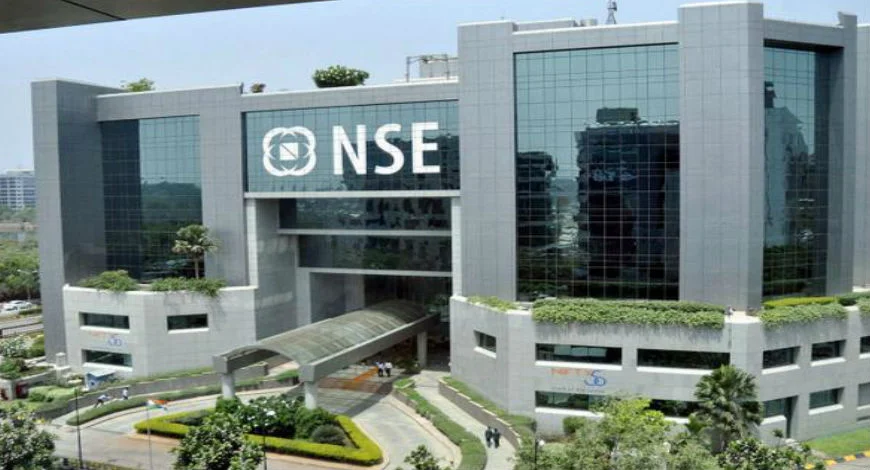
The National Stock Exchange: A Comprehensive Guide

National Stock Exchange of India Limited is largest financial market in India and the fourth-largest market in terms of trading
National Stock Exchange of India Limited (NSE)

Introduction

Welcome to our comprehensive National Stock Exchange (NSE) guide. In this article, we will go over the NSE, its history, its role in the financial market, and the various products and services it provides. This guide will provide you with the knowledge you need to understand and navigate the National Stock Exchange, whether you are an investor, a trader, or simply curious about the stock market.

History of the National Stock Exchange

The National Stock Exchange was founded in 1992 and is India’s leading stock exchange. It was promoted by major financial institutions and has grown to become one of the world’s largest exchanges. The introduction of electronic trading, which replaced the traditional open outcry system, caused a paradigm shift in the Indian capital market. This change revolutionized trading and brought transparency and efficiency to the Indian stock market.

Role and Importance of the National Stock Exchange

The NSE is critical to the Indian financial system. It provides a trading platform for a wide range of financial instruments such as stocks, derivatives, currencies, and debt securities. The NSE has become the preferred exchange for both investors and traders due to its advanced trading infrastructure and strong regulatory framework.

Equity Trading

The National Stock Exchange’s primary function is to facilitate equity trading. It provides a well-regulated platform for buying and selling shares of the exchange’s listed companies. Investors can trade in a variety of stocks, including large-cap, mid-cap, and small-cap firms. The NSE provides an efficient and transparent marketplace for equity market participants.

Derivatives Trading

The NSE is well-known for its derivatives segment, which has grown in popularity over the years. It provides a wide range of derivative products, such as futures and options contracts, on underlying assets such as stocks, indices, and currencies. Derivatives trading allows investors to hedge their positions, speculate on price movements, and effectively manage risk.

Currency Trading

In addition to equities and derivatives, the National Stock Exchange offers a currency trading platform. It provides currency futures and options contracts, which allow investors to trade major currency pairs such as USD/INR, EUR/INR, and GBP/INR. Individuals and businesses can manage their exposure to foreign exchange fluctuations by trading currencies on the NSE.

Debt Securities

Debt securities such as government bonds, corporate bonds, and debentures are traded on the NSE’s dedicated platform. This allows investors to diversify their investment portfolios by participating in the fixed-income market. The NSE’s debt market offers issuers a dependable way to raise capital and meet their financing needs.

Products and Services Offered by the National Stock Exchange

The National Stock Exchange provides a diverse range of products and services to market participants. Here are some of the highlights:

Trading Platforms

The NSE offers a variety of trading platforms to ensure smooth and efficient trading. The NSE’s automated trading system (NEAT), which enables electronic order matching and execution, is the flagship platform. In addition, the exchange provides mobile trading apps and web-based platforms to ensure investor accessibility and convenience.

Market Indices

The NSE is home to several benchmark indices that reflect the performance of the Indian stock market. The Nifty 50, comprising the 50 largest and most liquid stocks, is widely followed by investors and serves as a barometer of the Indian equity market. The NSE also maintains sector-specific indices and volatility indices to provide a comprehensive view of market trends.

Investor Education and Awareness

Recognizing the significance of investor education, the NSE runs a variety of programs and initiatives to promote financial literacy and responsible investing. It provides investors with training courses, webinars, and workshops to educate them on various aspects of the capital market. On its website, the NSE also provides valuable resources and tools to assist individuals in making informed investment decisions.

Regulatory Framework

To ensure fair and transparent trading, the NSE operates under a strict regulatory framework. It collaborates closely with regulatory authorities such as the Securities and Exchange Board of India (SEBI) to enforce rules and regulations that protect investors and promote market integrity. The NSE’s dedication to upholding high governance standards has contributed to its reputation as a dependable and trustworthy exchange.

Conclusion


Finally, the National Stock Exchange is a leading stock exchange in India with a long history and an important role in the financial market. It provides a diverse range of products and services such as equity trading, derivatives trading, currency trading, and debt securities. The NSE is a popular choice for investors and traders due to its advanced trading infrastructure, investor-friendly initiatives, and strong regulatory framework. We hope that by providing this comprehensive guide, you will be able to effectively understand and navigate the National Stock Exchange.

FOR MORE INFO CLICK THIS SITE:https://learningsharks.in/

FOLLOW OUR PAGE:https://www.instagram.com/learningsharks/?hl=en