
Learning sharks-Share Market Institute


Rajouri Garden  8595071711 7982037049  Noida 8920210950 , and  Paschim Vihar  7827445731  

Fee revision notice effective 1st Jan 2026; No change for students enrolled before 15th Jan 2026

Download “Key features of Budget 2024-2025here

What is Share Market?

Share market and stock market are frequently used interchangeably. However, the main distinction between the two is that, whilst the latter enables you to trade a variety of financial products, such as bonds, derivatives, currencies, etc., the former is only used to trade shares.

The National Stock Exchange (NSE) and the Bombay Stock Exchange (BSE) are the two main stock exchanges in India.

By significantly outpacing FY19 in FY23, according to CLSA, NTPC's green capex has validated its transition program.

Types of Share Markets

Stock markets can be further classified into two parts: 

Primary Share Markets

A company enters the primary market when it registers for the first time at the stock exchange to raise money through shares. This is known as an Initial Public Offering (IPO), and it allows the company to become publicly registered and allow market participants to trade its shares.

Secondary Share Markets

Once a company’s new securities have been sold in the primary market, they are then traded on the secondary stock market. Here, investors get the opportunity to buy and sell the shares among themselves at the prevailing market prices. Typically investors conduct these transactions through a broker or other such intermediary who can facilitate this process.

What Is Traded On The Share Market?

The four categories of financial instruments traded on the stock market are as follows. These consist of:

Shares

An equity ownership stake in a corporation is represented by a share. Dividends from any earnings the company makes are owed to the shareholders. They also bear the brunt of any losses the business may sustain.

Bonds

A business needs a sizable amount of capital to start long-term, lucrative endeavors. Bond issuance to the general public is one method of raising finance. These bonds signify a “loan” that the corporation has taken out. Bondholders receive prompt interest payments in the form of coupons and are treated as the company’s creditors. The bondholders view these securities as fixed-income investments, and at the conclusion of the specified period, they receive interest on their investment in addition to the principal they initially deposited.

Mutual Funds

Mutual funds are well managed investments that combine the capital of many individuals and place it in a variety of financial assets. Mutual funds are available for a range of financial instruments, including, but not limited to, equities, debt, and hybrid funds.

Each mutual fund scheme issues units with a set value that are comparable to shares. You acquire a unit in that mutual fund scheme when you invest in such funds. When assets included in that mutual fund scheme generate income over time, the unit holder receives that income in the form of dividend payouts or as part of the fund’s net asset value.

Derivatives

A security that derives its value from an underlying security is referred to as a derivative. This can include a vast range of things, including shares, bonds, money, commodities, and more! Derivatives buyers and sellers enter into a “betting contract” over the price of an asset because they have divergent estimates for how much it will cost in the future.

Conclusion

Today, stock investing is regarded as one of the best methods for building long-term wealth. Any investor can use the stock market to help them reach their long-term financial objectives with a planned investment plan.

FOR MORE INFO CLICK THIS SITE:https://learningsharks.in/

FOLLOW OUR PAGE:https://www.instagram.com/learningsharks/?hl=en

What is a Stock Out, and How does it occur?

In the context of investing, a "stockout" might also refer to a scenario where a particular stock becomes in short supply or unavailable for trading due to various factors.
stock out

An event known as a “stockout” occurs when a business or store runs out of a specific product or item in stock and is unable to meet demand from customers for that product. A “stockout” in the context of investing could also describe a situation in which a specific stock runs out or isn’t available for trading for a variety of reasons.

In relation to inventory control:

In the commercial and retail worlds, a stockout happens when there is a greater demand for a product than there is supply. This may occur for a number of reasons:

  • Inadequate Inventory Management: Stockouts can result from inaccurate demand forecasting or insufficient inventory tracking. A business may run out of stock if they misjudge demand or neglect to place a timely reorder on time.
  • Events that interrupt the supply chain, such as labour strikes, natural catastrophes, transportation problems, or supply chain interruptions, can delay the acquisition of fresh inventory and result in stockouts.
  • Seasonal Demand: Stockouts can happen during peak seasons if a company doesn’t alter its inventory levels in accordance with the seasonal demand trends for certain products.
  • Unexpected Rises in Demand: Unexpected reasons, such as viral trends or social media attention, might cause a rapid spike in demand that depletes inventory more quickly than intended.
  • manufacturing Delays: Shortages may result from manufacturing delays or problems with quality control if a company makes its goods.

When it comes to investing:

A situation in which it becomes impossible to purchase or sell a specific stock because of specific circumstances is sometimes referred to as a stockout:

  • Low Liquidity: In the event that a stock experiences a shortage of supply, it may be difficult to locate a buyer or seller at a price that is acceptable.
  • Market Halts: Occasionally, news releases, notable price swings, or other factors cause stock exchanges to suspend trade in a certain stock. In essence, the stock is made temporarily inaccessible for trade during these halts.
  • Short Squeezes: A short squeeze is a sharp price increase in a heavily shorted stock. Shorted stock traders rush to cover their positions, which creates a lack of shares available for purchase and raises the price even further.

It’s crucial to remember that stockouts in the context of inventory management are related to supply and demand dynamics in the actual world of items and goods, whereas stockouts in the context of investing can be influenced by market dynamics and trading behaviour.

FOR MORE INFO CLICK THIS SITE:https://learningsharks.in/

FOLLOW OUR PAGE:https://www.instagram.com/learningsharks/?hl=en
Day Trading in Stocks

Understanding Day Trading: A Foundation

Day traders often make multiple trades throughout the day, capitalizing on small price fluctuations.
Day Trading

Buying and selling financial products inside the same trading day is known as day trading, which is a type of speculative trading. The objective of traders is to profit on transient price swings. Day trading necessitates a thorough understanding of market patterns, technical analysis, and risk management, in contrast to typical investing.

The Benefits of Day Trading

  1. Quick Profits: Day trading’s numerous trades and tiny price fluctuations provide the opportunity for quick profit accumulation.
  2. Accessibility: Online trading platforms and tools have made day trading more accessible to people all over the world.
  3. Independent Decision-Making: With no need for middlemen, day traders have the autonomy to make their own trading judgments.
  4. Skill Development: Day traders must possess a high degree of expertise and knowledge, which offers the chance for ongoing learning and development.

Developing a Winning Strategy

Technical Analysis: The Key to Informed Decisions

To forecast future price movements, technical analysis examines previous price data and market indications. Important instruments consist of:

  • Candlestick Patterns
  • Moving Averages
  • Relative Strength Index (RSI)
  • Bollinger Bands

Through the integration of these indicators, traders can optimize their chances of success by making well-informed decisions on entry and exit points.

Risk Management: Preserving Capital

When it comes to day trading, effective risk management is crucial. Potential losses can be reduced by putting methods into practice like stop-loss orders and position size limitations. Increasing the variety of assets in your trading also helps to reduce risk.

Embracing Technology: Algorithmic Trading

Algo-trading, another name for algorithmic trading, is the practice of executing trades using computer programs in accordance with predetermined criteria. Algo-trading can execute trades at the best moments, speeds up execution, and minimizes human mistake.

The Psychology of Day Trading

Comprehending the psychology underlying trading decisions is just as important to successful day trading as math skills.

  • Emotional Control: It takes emotional control to avoid making snap decisions driven by greed or fear.
  • Patience: Effective day traders avoid overtrading and instead wait for the appropriate moment.
  • Continuous Learning: It takes ongoing effort to adjust to shifting market conditions and gain knowledge from both achievements and setbacks.

Charting Your Course: A Day Trading Plan

  1. Goal Setting: Establish attainable objectives for your day trading endeavors. Setting and accomplishing goals helps you stay motivated and focused, whether they are about learning a specific strategy or reaching a specific percentage return.
  2. Research and Education:Keep abreast on market developments and trends. Continue your education by reading books, taking online classes, and reading professional opinions.
  3. Practice: To practice your strategies without risking real money, use demo accounts. This enables you to hone your strategy and gain self-assurance.
  4. Record Keeping: Keep a trading notebook to record your moves, thinking, and feelings. This data analysis can yield insightful information for advancement.

Conclusion

In conclusion, day trading is a dynamic and potentially rewarding endeavor that requires a combination of skill, strategy, and discipline. By mastering technical analysis, embracing risk management, understanding the psychology behind trading decisions, and following a structured day trading plan, you can position yourself for success in the competitive world of day trading. Remember, consistent practice, continuous learning, and a commitment to improvement will ultimately set you apart as a top-tier day trader. At [YourCompany], we’re here to support you on your journey to day trading excellence.

FOR MORE INFO CLICK THIS SITE:https://learningsharks.in/

FOLLOW OUR PAGE:https://www.instagram.com/learningsharks/?hl=en

Mastering Swing Trading: A Comprehensive Guide

Understanding Swing Trading

The goal of swing trading is to profit from short- to medium-term price changes in financial instruments like stocks, currencies, or commodities. Swing trading is a trading strategy that leverages market swings or trends by holding positions for several days to weeks, in contrast to day trading, which is making multiple trades in a single day.

Swing trading's potential for capturing intermediate-term price movements can lead to substantial profits, and the reduced stress compared to day trading is appealing to many.
Swing Trading

Key Benefits of Swing Trading

  1. Flexibility and Time Commitment: One of the best trading strategies for people with hectic schedules is swing trading. Unlike day trading, it doesn’t necessitate continual market monitoring, giving traders more time to manage their positions.
  2. Potential for Substantial Profits: Swing traders have the ability to outperform long-term investors by spotting and profiting from short- to medium-term trends. With this approach, traders can profit from price changes independently of enduring market patterns.

Getting Started with Swing Trading

To embark on a successful swing trading journey, follow these steps:

1. Education and Research

It’s essential to comprehend the fundamentals of technical and fundamental analysis before beginning to swing trade. Develop your ability to read stock charts, evaluate trends, and pinpoint possible entry and exit points.

2. Define Your Strategy

Formulate a precise and well-defined swing trading plan. This ought to provide standards for spotting possible deals, determining take-profit and stop-loss amounts, and controlling risk. Your plan will help you stay disciplined and act as a road map for your trades.

3. Technical Analysis

To recognize trends and assess the momentum of a financial asset, use technical indicators like Bollinger Bands, Relative Strength Index (RSI), and moving averages. These signs can offer insightful information about possible points of entry and departure.

4. Fundamental Analysis

Although technical analysis is the main focus of swing trading, taking fundamentals into account might improve your decision-making. Keep up with news releases, earnings reports, and economic data that may have an impact on the assets you have selected.

5. Risk Management

In swing trading, risk management is crucial. To reduce possible losses, only put a small percentage of your capital into each transaction and use stop-loss orders. Increasing the variety of assets you deal with can also assist reduce risk.

The Anatomy of a Swing Trade

Let’s break down the process of executing a swing trade:

  1. Identifying a Potential Trade: Use technical and fundamental analysis to identify a financial instrument with a clear trend or potential price movement.
  2. Entry Point: Determine a specific price point at which you will enter the trade. This is usually based on technical indicators or chart patterns.
  3. Setting Stop-Loss and Take-Profit Levels: Set a stop-loss order to limit potential losses and a take-profit order to secure profits once the price reaches a predetermined level.
  4. Monitoring the Trade: Keep an eye on the trade’s progress, but avoid making impulsive decisions based on short-term price fluctuations.
  5. Exit Strategy: As the trade progresses, stick to your predetermined exit strategy. This could be based on achieving a specific profit target or when the trade shows signs of reversing.

FOR MORE INFO CLICK THIS SITE:https://learningsharks.in/

FOLLOW OUR PAGE:https://www.instagram.com/learningsharks/?hl=en

What knowledge do I need to start investing in the Stock Market?

Prior to beginning stock market investing, it’s critical to gain a basic awareness of a number of principles. Below is a list of knowledge domains to take into account:

Basic Knowledge of Finances:

  • Discover the meaning of important financial terminology like dividends, capital gains, stocks, bonds, and portfolio diversification.
  • Recognise compound interest and time worth of money, and how these affect your investments.

Investing Objectives:

  • Establish your investing goals, including short-term earnings, retirement planning, or long-term asset creation.

Risk Tolerance:

  • Determine how comfortable you are with possible changes in the value of your investments by taking a risk tolerance assessment.

Investment Types:

  • Recognise how to distinguish between mutual funds, stocks, bonds, exchange-traded funds (ETFs), and other financial options.

Basics of the stock market

  • Discover the workings of the stock market, including terms like limit orders, market indexes, supply and demand, and market orders.

Market Analysis:

  • To be informed about market trends, economic statistics, and company news, check out reliable financial news sources.

Essential Evaluation:

  • Learn how to assess a company’s general health and growth prospects by analysing its financial statements, earnings reports, and other relevant data.

Analytical Technical:

  • Learn about moving averages, chart patterns, and other technical indicators that traders use to guide their judgements.

Adding Variability:

  • Find out how to limit risk by spreading your assets throughout several businesses, sectors, and asset classes.

Risk Control:

  • Recognise the idea of risk-reward trade-offs and learn how to use stop-loss orders and other tactics to control possible losses.

Long-Term Viewpoint:

  • Acknowledge the advantages of adopting a long-term investing strategy that enables your capital to increase in value over time.

Tax Repercussions:

  • To make well-informed judgements, familiarise yourself with the taxation of investment gains and losses in your jurisdiction.

Trading Accounts:

  • Look into various brokerage platforms to see which one best meets your requirements, has an easy-to-use interface, and gives you the resources you require for trading and research.

Paper Exchange:

  • To get experience without risking real money, think about using simulated or virtual trading accounts.

Investing Techniques:

  • Examine a variety of investing approaches, including index fund investing, growth investing, dividend investing, and value investing.

Control of Emotions:

  • Recognise the psychological component of investing and develop self-control over feelings that can affect your decisions, such as fear and greed.

Ongoing Education:

  • Acknowledge the dynamic nature of the stock market and the need for continual education in order to adjust to shifting investing trends and market conditions.

Recall that there are risks associated with stock market investing, and no investment can be guaranteed to provide a profit. It’s best to start small with funds you can afford to lose and raise your investment progressively as you develop experience and confidence. If you’re not sure, think about consulting financial advisors or subject matter experts.

FOR MORE INFO CLICK THIS SITE:https://learningsharks.in/

FOLLOW OUR PAGE:https://www.instagram.com/learningsharks/?hl=en

Stock Market WhatsApp Group Links – August, 2023 [Updated]

WhatsApp group links for Stock Market for 2023
WhatsApp Group Links for Stock Market

You’ve found the right place if you’re looking for WhatsApp group links! Our list now includes August 2023. For your convenience, we provide 100,000+ WhatsApp Group Links at WappGroups, which essentially cover any type of individual.

We’ll discuss a few of the many different types of WhatsApp Groups that are available.

You can join the WhatsApp Group to communicate with others who are knowledgeable about the same things you are and who share your interests, or to get updates on a specific topic.

You won’t need to worry about it because we’ll provide you with a list of the best WhatsApp group links for the stock market.

To communicate with others who share your interests and are experts in your field, you can join the WhatsApp Group.

Stock Market WhatsApp Group Links

Best BuyClick to Join Group
Stock MarketClick to Join Group
Trading PassionClick to Join Group
Brain Storm CommunityClick to Join Group
Daily StonksClick to Join Group
PFT Sharing GroupClick to Join Group
Sharma StocksClick to Join Group
MCX ExpertClick to Join Group
Investment GuruClick to Join Group
CRUDE ExpertClick to Join Group
Free Forex SignalsClick to Join Group
Group11 Stock MarketClick to Join Group
Trading Guru batch 16Click to Join Group
FREE SHARE MARKET TIPSClick to Join Group
BankniftyClick to Join Group
NIFTY updatesClick to Join Group
Tips On MobileClick to Join Group
Traders clubClick to Join Group
StockClick to Join Group
INTRA_DAY TRADINGClick to Join Group
PROFESSIONAL TRADERSClick to Join Group
Best buysClick to Join Group
Stock marketClick to Join Group
Trading passionClick to Join Group
Daily Shit StinkyClick to Join Group
STOCK ROLLERSClick to Join Group
Sharma Stocks™Click to Join Group
MCX EXPERTClick to Join Group
Investing GuruClick to Join Group
Free forex signalsClick to Join Group
Open Free Demat AccClick to Join Group
STOCK MARKET groupClick to Join Group
Free Share Market DiscussClick to Join Group
NSE whatsapp groupClick to Join Group
BSE Whatsapp groupClick to Join Group
Mutual funds groupClick to Join Group
learn investment newbiesClick to Join Group
Nifty & Market AnalysisClick to Join Group
Striker stock tipsClick to Join Group
200% Telugu genuine stocksClick to Join Group
Bull TraderClick to Join Group
INTRADAY TRADINGClick to Join Group
INTRA_DAY TRADINGClick to Join Group
Gurgao batchClick to Join Group
trial option2daysClick to Join Group
MarketClick to Join Group
sureshoot callsClick to Join Group
F AND O PROFIT CALLClick to Join Group
Expert Market ViewClick to Join Group
Stock vichaar” square of 9″Click to Join Group
INTRADAY TRADINGClick to Join Group
LIVE COMENTARYClick to Join Group
Options TradingClick to Join Group
capital acquire groupClick to Join Group
Advanced Stocks BusinessClick to Join Group
BEGINERSClick to Join Group
Stock Market (ABPL)Click to Join Group
Market UpdatesClick to Join Group
TIPS BENEFIT GROUPClick to Join Group
Gurgao batchClick to Join Group
Learn Market BasicsClick to Join Group
DAILY GOOD PROFITClick to Join Group
1 Month Free Trial- MCXClick to Join Group
EQUITY TRIAL MAY 2021Click to Join Group
SG/MY Stock Trading GroupClick to Join Group
BANK LOANSClick to Join Group
HWMG (TEAM YUSUFF)Click to Join Group
Sharma StocksClick to Join Group
P4profit NSE Fut 100%FreeClick to Join Group
Sure Profit Call..Click to Join Group
Learn Market BasicsClick to Join Group
FREE TIPS ACCOUNT OPENINGClick to Join Group
Trial2days pftsharing fnoClick to Join Group
EQUITY INTRADAY CALLSClick to Join Group
Winning stocksClick to Join Group
TIPSClick to Join Group
EWL Sponsor ID- DF75BAClick to Join Group
Brain Storm CommodityClick to Join Group
Just Stock IndiaClick to Join Group
CMRNSETIPSClick to Join Group
Self millionaireClick to Join Group
morning news paperClick to Join Group
Stock Market(IPO)Click to Join Group
ROYAL RESEARCH HOUSEClick to Join Group
INTra CALL SramClick to Join Group
Simple treding technicLClick to Join Group
TIPSINFOClick to Join Group
NSE & MCX MAR-18Click to Join Group
Simple treding technicClick to Join Group
Stock Cracker 2Click to Join Group
MarketClick to Join Group
Stock Vichaar Su VichaarClick to Join Group
TRADERS GROUPClick to Join Group
ONLY TRADE TIPSClick to Join Group
Trade zoneClick to Join Group
Intraday & positional tipClick to Join Group
2.Stock Daily Tips 20%Click to Join Group
EQUITY AND MCX INTRADAYClick to Join Group
Zero brokreg- free tipsClick to Join Group
ZERODHA Dmat A/c onlyClick to Join Group
Stock vichaar square of 9″Click to Join Group
Bank nifty option groupClick to Join Group
Traders TerminalClick to Join Group
Traders Terminal 2Click to Join Group
Traders Terminal 3Click to Join Group
BANKNIFTY SHARE MARKETClick to Join Group
UpstockClick to Join Group
Share Market TrainingClick to Join Group
STOCK WAYClick to Join Group
BANKNIFTYClick to Join Group
BANKNIFTY 02Click to Join Group
DEMO TRADERSClick to Join Group
BANK NIFTY &NIFTY OPTIONClick to Join Group
Option trending nifty 50Click to Join Group
Bank nifty and niftyClick to Join Group
DEMO BNK NFTY 3DAYSClick to Join Group
Bank Nifty Masters OriginalClick to Join Group
Nifty and Banknifty F&OClick to Join Group
Share marketClick to Join Group
FOREX_TRADERSClick to Join Group
Frustum Fashion ApparelsClick to Join Group
NIFTY ST₹EET bets ₹Click to Join Group
StockPro2Click to Join Group
Banknifty nifty tipsClick to Join Group
Share Market HubClick to Join Group
Share Market 2021Click to Join Group
Traders VenueClick to Join Group
Share Market HubClick to Join Group
Stock market tipsClick to Join Group
DEMO BANK NIFTY 3DAYSClick to Join Group
Share market HubClick to Join Group
Happy World TradeClick to Join Group
Zerodha AccountsClick to Join Group
Stonks DailyClick to Join Group
Stock TradingClick to Join Group

FOR MORE INFO CLICK THIS SITE:https://learningsharks.in/

FOLLOW OUR PAGE:https://www.instagram.com/learningsharks/?hl=en
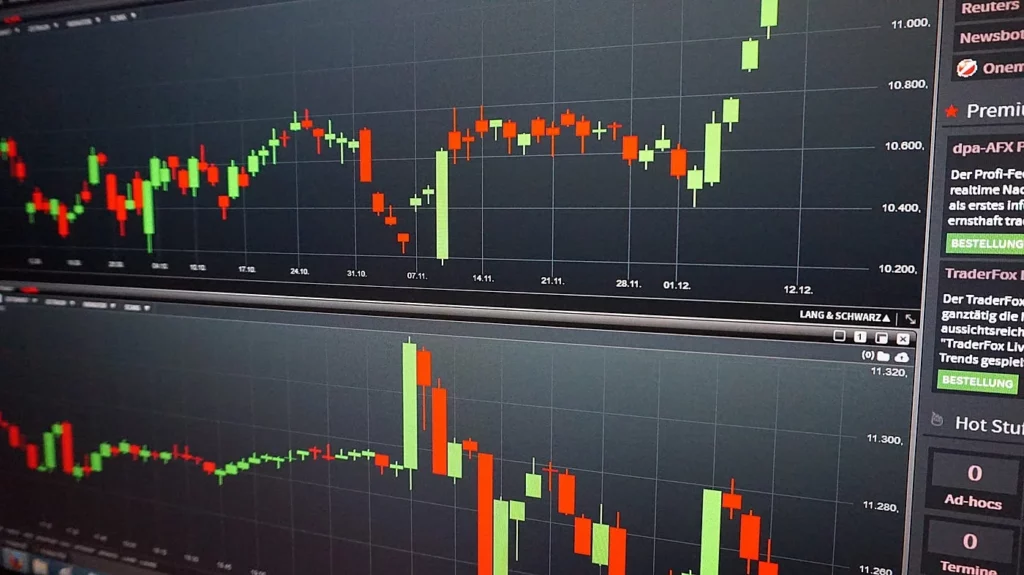
What is Stock Trading ?

Meaning of Trading

Essentially, trading is the exchange of products and services between two parties. The parties involved in this context are investors and traders who are trading stocks in various corporations. The stock market is where trading in stocks occurs. A wider range of consumers may now access the stock market thanks to online trading and investment.

Contrarian trading is an investment strategy employed in financial markets where traders and investors deliberately go against the prevailing market sentiment and trends.

History of Trading

Since the advent of agriculture, or human civilisation, trade has existed. However, different communities have traded in different ways. In large part because scattered human societies prevented their merger into a single system. However, in the past, the barter system, in which commodities and services were exchanged for one another in many civilizations, was a common type of trading.

Given the absence of any fundamental guidelines for determining the worth of goods, the barter system was found to be inconvenient. This difficulty paved the way for money, which served as the yardstick by which the worth of every good was judged.

This discovery served as the catalyst for a number of economic and financial advancements, including the creation of the credit facility and share trading, among others.

The creation of joint-stock corporations in Europe ushered in the era of stock trading, which was crucial to the rise of European imperialism. Numerous European locations saw the emergence of unauthorized stock exchanges. The Dutch East India firm issued its shares through the Amsterdam Stock Exchange and became the first joint-stock firm to trade its shares publicly.

Due to their success in promoting both economic growth and geographic expansion, joint-stock corporations have become a staple of the financial industry. The Bombay Stock Exchange, founded in 1875, was the first marketplace for internet trading in Asia and India.

Types of Trading in Stock Market

Primarily, there are five types of share trading. These are –

1) Day Trading

In this type of trade, stocks are bought and sold all in the same day. In the stock market, a single day is defined as 9:15 am to 3:30 pm on a weekday (excluding market holidays). In the case of day trading, people keep stocks for a short while or for a long time.

A trader engaged in such a deal must complete it before the market closes for the day. It is well-liked for profiting from modest changes in stock NAV.

Day trading involves expertise in financial markets, in-depth knowledge of market volatility, and a sharp feel of the ups and downs in stock prices. As a result, it is generally carried out by seasoned traders or investors.

2) Scalping

It’s also referred to as microtrading. Both day trading and scalping are categories of intraday trading. Scalping is the practice of frequently reaping modest profits, from a dozen to a hundred in a single trading day.

Nevertheless, not every transaction results in a profit, and occasionally a trader’s gross losses may outweigh their earnings. In this instance, compared to day trading, the holding duration for assets is shorter; people retain equities for no more than a few minutes at most.

The frequency of transactions is made possible by this function. Scalping involves similar skills to day trading, including knowledge of market trends, proficiency, and the ability to respond quickly.

3) Swing Trading

Utilizing this type of stock market trading allows investors to profit from transient stock trends and patterns. Swing trading is utilized to generate profits from stocks within one to seven days of purchase. In order to properly execute their investment goals, traders perform a technical analysis on the stocks to determine the movement patterns they are using.

4) Momentum Trading

In case of momentum trading, a trader exploits a stock’s momentum, i.e. a substantial value movement of stock, either upwards or downwards. A trader tries to capitalise on such momentum by identifying the stocks that are either breaking out or will break out. 

In case of upward momentum, the trader sells the stocks he/she is holding, thus yielding higher than average returns. In case of downward movement, the trader purchases a considerable volume of stocks to sell when its price increases. 

5) Position Trading

Instead of focusing on short-term price fluctuations, position traders hold securities for months in an effort to profit from the long-term potential of companies. For those who are not market experts or regular market participants, this type of trading is ideal.

Current Impact of Online Trading

The stock market has evolved tremendously as a result of the internet. Securities are becoming easier for laypeople to obtain and use. Through internet trading in India, a person may now trade in the stock market with ease.

Since the introduction of online trading, mutual funds have also experienced tremendous growth in popularity. Nowadays, people have direct access to mutual funds and other assets thanks to the huge selection of possibilities online. Investors now have more opportunities to trade actively and speculatively, improving their chances of making money.

FOR MORE INFO CLICK THIS SITE:https://learningsharks.in/

FOLLOW OUR PAGE:https://www.instagram.com/learningsharks/?hl=en

Distinction between Trading and Investing

Two key concepts in the financial industry that frequently confound people are “trading” and “investing.” Both include trading in the financial markets, but they represent different strategies for increasing wealth and accomplishing financial objectives. In this thorough tutorial, we explore the subtle distinctions between trading and investing, illuminating their processes, time horizons, risk profiles, and ultimate goals.

Key Differences at a Glance

AspectTradingInvesting
Primary GoalCapitalizing on short-term price fluctuationsLong-term wealth accumulation and growth
Time HorizonShort-term, ranging from seconds to monthsLong-term, often spanning years or decades
FrequencyHigh-frequency transactionsInfrequent transactions
Risk ToleranceHigh risk due to market volatilityModerate risk, with potential for long-term gains
ResearchExtensive technical and fundamental analysisThorough fundamental analysis
InvolvementActive monitoring of markets and trendsPassive approach, less time-intensive
Potential GainQuick profits, but also potential for lossesSteady, compounded growth over the long term

Trading: Seizing Opportunities in the Short Term

The financial markets’ dynamism and speed are crucial to trading. It involves making quick purchases and sales of financial items like stocks, commodities, currencies, or derivatives. Traders use technical and fundamental analysis to forecast short-term price movements in an effort to profit from market inefficiencies. Some popular trading tactics include swing trading, day trading, and high-frequency trading.

The opportunity for quick rewards is what makes trading so alluring. The large benefits, however, are accompanied by considerable risks. Market turbulence can result in substantial losses, therefore risk management and a thorough awareness of market patterns are crucial for success.

Trading Strategies

  1. Day Trading: Day traders try to profit from intraday price swings by buying and selling positions throughout the same trading day.
  2. Swing Trading: This tactic entails maintaining positions for a number of days or weeks in order to take advantage of price “swings” within a trend.
  3. Scalping: Scalpers trade frequently throughout the day in order to generate small profits by focusing on tiny price increments.

Investing: Nurturing Long-Term Growth

On the other hand, investing is focused on the idea of building money over time. To achieve stable, long-term growth, investors allocate money to assets including stocks, bonds, real estate, and mutual funds. Investors, as opposed to traders, are less concerned with short-term price changes and are ready to put up with market volatility in exchange for the possible rewards of patient investing.

Types of Investing

  1. Value Investing: Finding undervalued assets and holding them until their market price and intrinsic worth are in line is the goal of this method.
  2. Dividend Investing: Dividend-paying stocks are sought after by investors who want to build up passive income streams over time.
  3. Index Fund Investing: Index funds offer diversity and the possibility for long-term development by imitating the performance of a market index.

Choosing the Right Approach: Factors to Consider

The decision to trade or invest depends on a person’s financial objectives, risk tolerance, time constraints, and market knowledge. Investors choose a more patient, long-term strategy to build lasting wealth, while traders choose fast-paced conditions where they can profit from swift market changes.

It’s critical to keep in mind that there is no clear line dividing trading from investing. While some traders may keep long-term investments, some investors might make short-term trades. The secret is to match your strategy with your financial goals.

Conclusion

In conclusion, understanding the fundamental differences between trading and investing is essential for anyone trying to make their way through the complex world of finance. Investing offers a more patient path to build long-term riches while trading appeals to the fast-paced, risk-taking folks looking for short-term gains. You can put yourself on a path to attaining your financial goals by matching your risk tolerance and financial goals with the right strategy. Remember, a thorough knowledge of the markets and persistent study will be your compass on this voyage, whether you decide to be a trader or an investor.

FOR MORE INFO CLICK THIS SITE:https://learningsharks.in/

FOLLOW OUR PAGE:https://www.instagram.com/learningsharks/?hl=en

Michael Burry foresaw the 2008 financial crisis staked $1.6 billion on a stock market collapse by the end of 2023.

An investor who made a cameo appearance in the movie The Big Short after making a successful prediction about the housing market meltdown in 2008 has now forecast that Wall Street will crash before the end of this year.Christian Bale’s character Michael Burry in the Adam McKay-directed film from 2015 is said to have wagered more than $1.6 billion (£1.25 billion) on the event taking place in 2023.

He has purchased bearish options on the S&P 500 and the Nasdaq 100, two indices that are reflective of the US economy as a whole, according to Security Exchange Commission papers made public on Monday.

It was discovered that his fund, Scion Asset Management, had purchased substantial positions in put options against both stock market indices. The right to sell an asset at a specific price is provided through put options.Mr. Burry purchased put options worth $866 million (£679 million) against a fund that tracks the S&P 500 and put options worth $739 million (£580 million) against a fund that tracks the Nasdaq 100.

His wager comes as the S&P 500 and Nasdaq 100 have both increased by 16% and 38%, respectively, so far this year.When he bet against the housing market amid the events that sparked the global recession in the middle of the 2000s, Mr. Burry rose to prominence for his market movements.

However, it appears that he does not always make the proper decision. He tweeted the phrase “Sell” to his 1.4 million followers in January, but he later changed it to “I was wrong to say sell” in March.After deleting his activity as a protest against Elon Musk, his account appears to be inactive as of August 17 with no tweets at all.

Michael Lewis’ bestselling book “The Big Short” was first made into a movie starring Brad Pitt, Steve Carell, Ryan Gosling, and others.He’s a man who knows himself extremely well, and has a brain unlike any brain I’ve ever encountered in my life.

He not only has this great understanding and love of numbers and feeling for numbers, but also incredible emotion for the consequences, according to Bale in 2015.He was fully aware of everything going on. didn’t in the least regard himself as a hero.

FOR MORE INFO CLICK THIS SITE:https://learningsharks.in/

FOLLOW OUR PAGE:https://www.instagram.com/learningsharks/?hl=en

Trading Strategies for Beginners

Welcome to our comprehensive manual on learning trading tactics for novices. You’ve arrived at the ideal location if you want to succeed in the dynamic world of trading. In this extensive post, we’ll guide you through the key ideas, resources, and methods that will enable you to develop into a knowledgeable and self-assured trader. Let’s start now!

Understanding the Basics of Trading

Trading is the practice of purchasing and selling financial instruments with the goal of profit, such as stocks, commodities, and currencies. Prior to entering the realm of trading, it’s critical to have a firm understanding of the following essential ideas:

Key Concepts:

  1. Market Analysis: Conducting careful market research is a must before executing any trade. This entails evaluating a range of variables, such as economic statistics, current affairs, and technical patterns, that affect price fluctuations.
  2. Risk Management: In trading, risk management is crucial. Establish stop-loss orders to impose a limit on prospective losses and decide how much capital you are willing to lose on each trade.

Exploring Different Trading Strategies

There are many different trading techniques available, each suited to varying risk tolerance levels and market situations. Here are some well-known examples:

Day Trading Strategy:

In day trading, several trades are executed throughout a single trading day. In order to profit from modest price swings, traders concentrate on short-term price movements.

Swing Trading Strategy:

A few days to a few weeks are covered by swing trading. To find probable entry and exit points and target modest gains, traders examine price trends and patterns.

Long-Term Investing Strategy:

Long-term investment is a choice for people seeking more steadiness and fewer trades. This tactic is holding onto assets for a long time in the hopes of seeing significant growth in the future.

Essential Tools for Successful Trading

Technical Analysis Tools:

  1. Candlestick Charts: These charts use candlestick patterns to depict price changes over a given time period, assisting traders in spotting trends and reversals.
  2. Moving Averages: Moving averages amplify price information to highlight underlying patterns, assisting traders in making well-informed choices.

Fundamental Analysis Tools:

  1. Economic Calendar: Using this tool, traders can plan their tactics based on knowledge about impending economic events that could have an impact on the markets.
  2. News Feeds: It’s important to keep up with financial news. Real-time information on market-moving events is provided through news feeds.

Developing Your Trading Plan

Your successful trading strategy is outlined in your trading plan. This is how you make one:

  1. Define Your Goals: Establish your risk tolerance and financial objectives. Are you aiming for long-term development or short-term gains?
  2. Choose Your Strategy: Choose a trading strategy based on your objectives that fits your risk tolerance and time commitment.
  3. Set Parameters: Set profit targets and the maximum amount you’re willing to risk on each deal. Follow these guidelines to prevent making emotional decisions.

Continuous Learning and Improvement

The world of trading is dynamic and constantly evolving. To stay ahead, commit to ongoing education:

  1. Stay Informed: Read financial news frequently to stay current on market developments.
  2. Analyze Past Trades: Examine your prior transactions to spot trends and gain knowledge from your successes and failures.

FOR MORE INFO CLICK THIS SITE:https://learningsharks.in/

FOLLOW OUR PAGE:https://www.instagram.com/learningsharks/?hl=en