Learning sharks-Share Market Institute


Rajouri Garden  8595071711 7982037049  Noida 8920210950 , and  Paschim Vihar  7827445731  

Fee revision notice effective 1st Jan 2026; No change for students enrolled before 15th Jan 2026

Download “Key features of Budget 2024-2025here

How do we benefit from investing in stocks?

Shares of Wonderla Holidays Ltd rose to their all-time high today after the board of the amusement park firm declared final dividend of Rs 2.50/- (25%) per equity share having nominal value of Rs 10/- each for the financial year ended 2023.

  1. Potential for Capital Appreciation: When you buy stocks, you essentially take a stake in the business. The value of the company’s stock may rise as its worth and profits rise over time, enabling you to sell your shares for more money than you originally paid.
  2. Long-Term Growth: Historically, despite short-term swings, the stock market has exhibited a propensity for long-term growth. Putting money into established businesses with solid fundamentals may result in tremendous growth over many years or even decades.
  3. Dividend Income: Some businesses provide their shareholders a cut of their profits in the form of dividends. You can earn dividend payments on a consistent basis if you invest in stocks that pay dividends.
  4. Diversification: Stocks represent ownership in different companies across various industries. You can spread risk and lessen the effects of bad performance from any one firm or sector by investing in a diverse portfolio of equities.
  5. Liquidity: Stocks are generally considered liquid assets, meaning you can buy and sell them relatively easily. You have the ability to modify your investment portfolio as necessary thanks to this liquidity.
  6. Ownership and Influence: Shareholders have the power to vote at annual general meetings on specific corporate topics. Depending on how many shares you own, you might have a say in crucial choices.
  7. Hedging Against Inflation: Stock prices often increase in reaction to inflation over time. Stock investing may enable your savings to keep up with or even exceed inflation, protecting your purchasing power.
  8. Access to Emerging and Innovative Industries With the Potential for Significant Growth, such as Technology, Biotech, Renewable Energy, and More, Stocks Give You Access To These Industries.
  9. Accessibility: Thanks to internet trading platforms and investment apps, a wide range of investors can now invest in equities. You only need a tiny amount of money to get started.
  10. Tax Benefits: Investing in stocks may offer tax benefits, such as specific tax deductions or better tax treatment for long-term investments, depending on the tax regulations in your nation.

FOR MORE INFO CLICK THIS SITE:https://learningsharks.in/

FOLLOW OUR PAGE:https://www.instagram.com/learningsharks/?hl=en

How do I trade in Nifty?

It represents the performance of the 50 largest and most liquid Indian companies from various sectors. Here's a general guide on how to trade in the Nifty:
Nifty

Trading in the Nifty 50 is typically related to trading in the Nifty, the primary stock index of the National Stock Exchange of India (NSE). The performance of the 50 largest and most liquid Indian companies in a variety of industries is displayed. Here is a simple guide to trading the Nifty:

  • Knowing the Fundamentals: Before you start trading, it’s essential to understand the foundations of stock trading, market lingo, and NSE procedures.
  • Become Informed: Learn about different trading strategies, technical and fundamental analysis, and risk management. There are numerous online resources, such as articles, videos, and courses, that can help you better understand trading.
  • Open a Trading Account: To trade on the Nifty, you must have a trading account with a brokerage firm registered with the NSE. Choose a reliable and trustworthy brokerage that offers online trading services.
  • Research and analysis: Analyze the Nifty index, the individual stocks that make up the index, and overall market trends. This can be analyzed using both technical analysis, which employs charts and indicators, and fundamental analysis, which considers financials, news, and events.
  • Trading Strategies: Determine your level of risk tolerance and trading style before selecting a trading strategy. Popular strategies include day trading, swing trading, and long-term investing. Every strategy necessitates a different approach and level of involvement.
  • Effective Risk Management: Managing Your Risk Is Vital. Maintain only investing funds that you can afford to lose. Set stop-loss orders on your trades to limit potential losses.
  • Trading Platforms: The majority of brokerages’ online trading platforms allow you to place buy and sell orders for Nifty stocks. Learn about the different order types, the platform’s interface, and other features.
  • Ordering: On the trading platform, you can place a variety of orders, including market orders and limit orders, the latter of which is executed at the going rate of the market. Choose the appropriate type of sequence taking into account your plan.
  • Monitoring and Execution: After placing your orders, pay close attention to the market. Be prepared to close deals as soon as the conditions are met because prices can change quickly.
  • Lifelong Learning: Trading requires time-consuming skill development. Keep learning, adapt to market changes, and constantly refine your trading techniques.
  • Compliance and Regulations: Make sure you are aware of and comply with any local trading regulations, tax implications, and reporting requirements.

FOR MORE INFO CLICK THIS SITE:https://learningsharks.in/

FOLLOW OUR PAGE:https://www.instagram.com/learningsharks/?hl=en

What are the 5 stocks to invest in for 10 years?

By significantly outpacing FY19 in FY23, according to CLSA, NTPC's green capex has validated its transition program.

1. Growth stocks

Overview: The Ferraris of stock investment are growth stocks. They guarantee both quick growth and substantial investment returns. Technology companies are typically the subject of growth stocks, but this is not a must.Since they often reinvest all of their profits, they don’t often distribute dividends, at least not before their growth begins to decline.

For whom are they useful? If you’re going to invest in individual growth stocks, you should do extensive, time-consuming research on the business.

You’ll need to have a high risk tolerance or make the commitment to own the stocks for at least three to five years because growth stocks are erratic.

Risks: Because investors usually pay a high price for the stock relative to the company’s earnings, growth stocks can be dangerous.

As a result, these stocks may lose a significant amount of value very fast when a bad market or recession occurs. It seems as though their unexpected fame disappeared in an instant. On the other hand, growth stocks have typically been among the top performers.

Rewards: If you can locate the appropriate company, the benefits could be endless because the two biggest corporations in the world, Alphabet and Amazon, have been high-growth businesses.

2. Stock funds

Overview: A stock fund is an assortment of equities that are frequently related or categorised together, such as major or American stocks. The fund company charges a fee for this product, however it can be very small.

For whom are they useful? A stock fund, such as an ETF or a mutual fund, can be a good substitute if you don’t want to put in the time and effort to analyse individual stocks.

For an investor who wants to be more active with stocks but doesn’t have the time or motivation to make trading their full-time hobby, a stock fund is a fantastic choice.

Risks: Investing in a stock fund is easier and less labor-intensive than buying individual stocks.

The market can still fluctuate significantly in any given year, potentially losing up to 30% or even gaining 30% in some of its more extreme years.

You should be aware that your fund will be less diversified than one based on a broad index, such as the S&P 500, if you purchase a fund that is not broadly diversified, such as one focused on a specific industry. Therefore, if you invested in a fund focused on the chemicals sector, it may be highly vulnerable to changes in oil prices. Many of the stocks in the portfolio are anticipated to suffer if oil prices increase.

Rewards: A stock fund requires less effort to purchase and maintain than individual stocks, but because you own more businesses and you can’t expect every one of them to do well every year, your returns should be more stable. You will also have a lot of potential growth with a stock fund. Some of the top index funds include the ones listed below.

You can obtain a combination of high-growth equities and other securities if you purchase a broadly diversified portfolio, such as an S&P 500 index fund or a Nasdaq-100 index fund. However, compared to if you only owned a few particular stocks, your portfolio will be more diversified and secure.

3. Bond funds

Overview: A bond fund is a collection of bonds from different issuers, whether it be a mutual fund or an exchange-traded fund (ETF). The type of bond in the fund, as well as the tenure, riskiness, issuer (corporate, municipal, or federal government), and other variables, are often used to categorise bond funds.

When a business or the government issues a bond, it commits to annually paying the bond’s owner a predetermined sum of interest. When the issuer pays back the bond’s principal at the end of its term, the bond is redeemed.

Investors who desire a diverse portfolio of bonds but don’t want to research and buy individual bonds can benefit from bond funds.

Risks: Bonds can alter in value, but a bond fund will be more stable, even though it may move in response to interest rate changes.

Although bonds are seen as being more secure than equities, not all issuers are created equal.

The riskiness of business issuers can range from slightly less to much higher, while government issuers, especially the federal government, are thought to be quite safe.

One of the safer investments is a bond, and when included in a fund, their safety is increased. A fund diversifies its holdings by potentially owning hundreds of various bond types from numerous different issuers, which reduces the impact of any one bond defaulting on the portfolio.

A bond or bond fund’s return is often substantially lower than a stock fund’s return; for example, a government bond’s return might be 4 to 5 percent annually, but a corporate bond’s return might be lower. And it’s much less harmful.

There are various options to choose from if you’re looking for a bond fund to suit your needs.

4. Roth IRA

Overview: The finest retirement account on the market might be a Roth IRA. You can do this to save after-tax money that will grow tax-free for years before you can withdraw it. It’s more desirable than a regular IRA because you can leave that money to your heirs tax-free.

Who will gain from them? Anyone with a source of income should use a Roth IRA to build up tax-free assets for retirement.

Risks: A Roth IRA is a wrapper for your account that offers particular tax and legal benefits; it is not an investment in and of itself. Therefore, you can invest in nearly anything that suits your needs if you have a Roth IRA account with one of the finest brokerages.

Benefits: If you want to step it up, you can invest in stocks and stock funds and possibly get considerably bigger profits while avoiding taxes.

You will undoubtedly have to accept the higher risks associated with investing in stocks and stock funds.

5. Robo-advisor portfolio

Overview: When using a robo-advisor, you just deposit money into the robo account, and it automatically invests it in accordance with your objectives, time horizon, and risk tolerance. You must first complete certain surveys so the robo-advisor can determine what you require from the service. After that, it will oversee the entire procedure. The robo-advisor will select investments for you, typically low-cost ETFs.

What is the cost of the service to you? The cost of any funds in the account, in addition to the management fee charged by the robo-advisor, which is often around 0.25 percent annually. According to the amount invested, investment funds incur a fee, although funds in robo accounts normally charge between 0.06 percent and 0.15 percent, or $6 to $15 per $10,000 invested.

Risks: A robo-advisor’s risks are strongly influenced by your investments. Because you have a higher risk tolerance, you should anticipate greater volatility while investing in stock funds as opposed to bonds or cash in a savings account. Therefore, the risk is in the possessions you have.

Rewards: Depending on the investments you make, the potential return on a robo-advisor account can range from very high if you invest primarily in stock funds to very low if you maintain safer assets like cash in a high-yield savings account.

periods of time, meaning you will receive an increase each year.

FOR MORE INFO CLICK THIS SITE:https://learningsharks.in/

FOLLOW OUR PAGE:https://www.instagram.com/learningsharks/?hl=en

Is ETFS trading better than stock trading?

You might discover that trading ETFs is more advantageous than trading stocks, depending on your investing goals, risk tolerance, and preferences. ETFs (Exchange-Traded Funds) and individual stocks each have benefits and drawbacks. To help you make a wise decision, consider the following comparisons:

Benefits of Trading ETFs

  • ETFs offer immediate diversification by holding a variety of securities, which can help spread risk and give instant diversification. This may be very useful for investors who want to gain exposure to a specific market sector without buying individual stocks.
  • Lower Risk: Through diversification, the risk of suffering a significant loss as a result of the decline of a single stock is reduced. Particularly more cautious investors will find this appealing.
  • Lower Costs: Expense ratios for ETFs are frequently lower than those for actively managed mutual funds. This cost effectiveness may lead to better long-term returns.
  • ETFs trade on stock markets similarly to individual stocks and have a lot of liquidity. Throughout the trading day, shares can be bought or sold at market prices.
  • Because many Exchange-traded funds (ETFs) track indices, investors can invest passively in broad market trends or specific industries. This does away with the need for active stock selection.
  • Investors can easily understand what they are investing in thanks to the daily holdings disclosures of ETFs.

The benefits of stock trading

  • Better Return Prospects: If you invest in high-performing companies, individual stocks, which are riskier than ETFs, may provide better future returns.
  • Ownership: When you buy individual stocks, you take complete ownership of the company. This may be intriguing to investors seeking a sense of involvement and ownership in particular businesses.
  • Flexibility: When you trade stocks, you have the option of selecting the companies you believe have the best potential for growth or value appreciation.
  • Dividends: Some stocks pay dividends, which over time may provide a steady source of income.
  • Active Investing: If you enjoy reading about and analyzing businesses, stock trading gives you the opportunity to actively manage your investments based on your insights.

Decision-making factors to consider:

  • Risk Tolerance: Investors who are risk averse may find ETFs appealing because they typically offer less risk due to diversification. Stocks carry a higher risk but also a higher potential reward for those willing to take on more risk.
  • Investment goals: Pick between long-term growth, generating income, or combining the two. Which approach is most effective will depend on what you hope to accomplish.
  • Time Commitment: Research and monitoring time for stock trading may be longer than for ETFs.
  • Knowledge: While ETFs are simpler for passive investors, stock trading demands a deeper comprehension of each individual company.
  • Costs: Compare any trading fees associated with buying and selling individual stocks to the expense ratios of ETFs.

Therefore, there is no fundamental advantage to trading stocks or investing in ETFs. Your financial goals, level of risk tolerance, and time and effort commitment to managing your investments should all be taken into account when making a decision. Some investors even combine the two approaches to build a portfolio that is well-balanced. In order to make sure that the decision you make is appropriate for your particular situation, you can also seek advice from a financial expert.

FOR MORE INFO CLICK THIS SITE:https://learningsharks.in/

FOLLOW OUR PAGE:https://www.instagram.com/learningsharks/?hl=en

5 Best Blogs on Indian Stock Market Analysis to Follow.

You’ve come to the right place if you’re looking for the top blogs on the Indian stock market to read to learn about and research stocks.

The five top blogs on Indian stock market analysis will be covered in this post in order to help you better understand how to invest in Indian stocks and profit from them. Let’s get going.

1.Trade brains

The best blog for Indian stock market analysis is Trade Brains. It was established in January 2017 and offers information on IPOs, fundamental and technical analysis, intraday trading, and other related topics. Additionally, you can read over 710 articles on this blog that cover the fundamentals of trading and investing, including how to invest, where to invest, when to buy and when to sell.

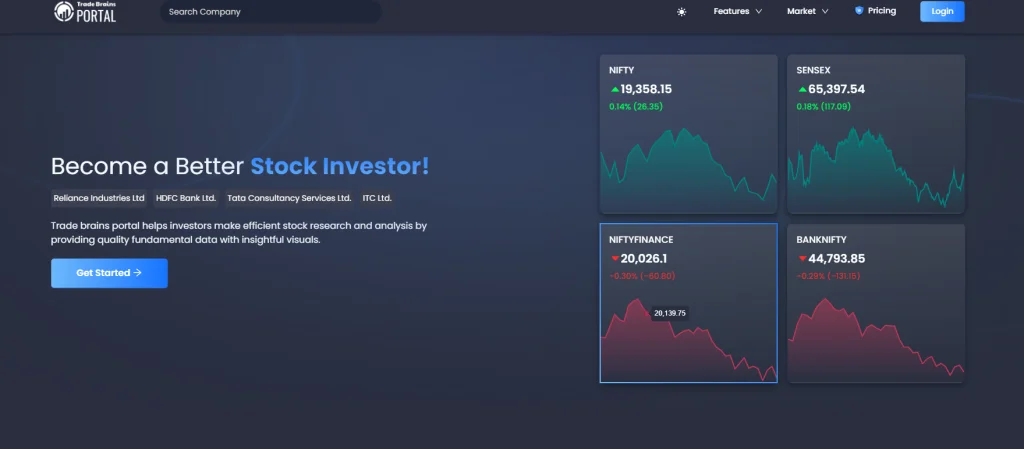
All stock market investors should follow the Trade Brains blog, which will provide them with all the market insights necessary to succeed as investors in the Indian stock market. The Trade Brains Blog is accessible here. Additionally, they recently debuted Trade Brains Portal, a cutting-edge and user-friendly stock research tool for investors in the Indian stock market. They also have their own stock research platform.

2.Fundoo Professor

This blog is run by Professor Sanjay Bakshi and features the opinions of a value investor and behavioral economics practitioner. You can read several business and security analyses on this blog in addition to case studies. Additionally, you can find investing blogs dating back to July 2005 in the archives.

3.Safal Niveshak

Vishal Khandelwal and Anshul Khare are the authors of this blog. On their blog, Safal Niveshak has amassed a sizable following of stock market enthusiasts from India, including more than 47,000 subscribers to their newsletter. They also run an amazing Latticework of Mental Models blog series in addition to the Indian stock market analysis blogs.

4.Get Money Rich

One of the top blogs on Indian stock market analysis is Get Money Rich (GMR), which is run by Mani, an engineering graduate with a passion for investing in the stock market. On this blog, you can read numerous analyses of Indian stocks.

Mani discusses a variety of financial topics, including real estate, mutual funds, personal finance, and others, in addition to stock market investing.

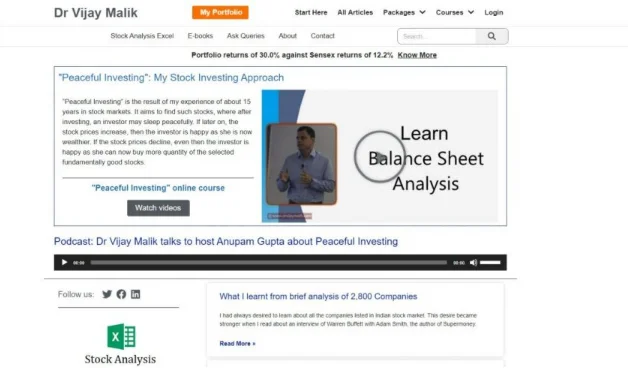
5.Dr. Vijay Malik

Dr. Vijay Malik is the blog’s manager and a SEBI-registered research analyst. Since its creation in June 2014, this blog has worked to make it easier for regular investors to invest in the stock market.

Dr. Vijay Malik also periodically hosts “Peaceful investing workshops” in addition to stock analysis. You can read many stock analysis reports on this blog for free and gain a fundamental understanding of stock analysis for profitable investing in Indian stocks.

FOR MORE INFO CLICK THIS SITE:https://learningsharks.in/

FOLLOW OUR PAGE:https://www.instagram.com/learningsharks/?hl=en
 

Understanding the FinNifty: A Comprehensive Guide

We present a thorough examination of the FinNifty, an indispensable resource for those attempting to navigate the complexities of the stock market, as part of our ongoing effort to give you the most insightful information possible on the topic. This article will go in-depth on what FinNifty is, how it works, and how investors can benefit from it.

Tejas said that it has executed a master contract for the supply, support and annual maintenance services of its Radio Access Network (RAN) equipment for BSNL’s pan-India 4G/5G network with TCS.

What is FinNifty?

The phrase “FinNifty” has been gaining popularity in the financial industry. The name, which combines the words “Finance” and “Nifty,” denotes its importance in the stock market. In its simplest form, FinNifty is a benchmark index created to monitor the performance of a particular collection of financial stocks listed on the stock market. It acts as an important gauge of the state of the financial industry and offers priceless information about current market trends.

The Components of FinNifty

It is essential to break down FinNifty’s components in order to comprehend it completely. An index of financial stocks has been carefully chosen. These stocks are part of a number of financial industry subsectors, including banks, non-banking financial institutions (NBFIs), insurance providers, and others.

Banks

A sizable portion of FinNifty’s composition is made up of banks. Banks from the public and private sectors are included in this group. The State Bank of India (SBI), ICICI Bank, HDFC Bank, and Axis Bank are a few of the well-known names in this group. The movement of the index as a whole is significantly influenced by the performance of these massive banking institutions.

Non-Banking Financial Companies (NBFCs)

In the Indian financial industry, NBFCs are essential players. Among the top NBFCs listed in FinNifty are firms like Bajaj Finance, HDFC Ltd, and Shriram Transport Finance. Their performance is an indicator of the nation’s lending practices and general economic circumstances.

Insurance Companies

FinNifty also includes important insurance providers like ICICI Lombard and HDFC Life Insurance. The dynamics of the insurance industry, such as policy sales, claim settlements, and regulatory changes, have a significant impact on these companies’ performance.

Significance of FinNifty

Now that we are clear on what FinNifty consists of, let’s explore why it is so important in the financial industry.

Market Trends

A common indicator of the overall health of the financial market is FinNifty. When the index is trending upward, it typically denotes financial sector optimism. On the other hand, a falling FinNifty can indicate economic difficulties or uncertainties.

Investment Decisions

FinNifty is an excellent resource for investors to use when making well-informed investment choices. Investors can spot possible opportunities and risks in the financial sector by examining the performance of the index and the stocks that make up it.

Benchmarking

The performance of many financial products, including mutual funds and exchange-traded funds (ETFs), is measured against FinNifty. This enables investors to evaluate these products’ relative performance in comparison to the financial industry as a whole.

Understanding FinNifty’s Performance

There are several metrics that can be used to evaluate FinNifty’s performance, including:

  • Returns: The overall return that the index produced over a certain time frame.
  • Volatility: The extent of stock price changes among FinNifty’s constituents.
  • Correlation: The degree to which the FinNifty moves in tandem with other market indices.

Conclusion

FinNifty is an essential tool for anyone interested in the financial markets, to sum up. It is a priceless resource due to the variety of financial stocks that make up its composition and its capacity to reflect market trends. Investors can make better decisions and confidently navigate the complex world of finance by closely monitoring FinNifty’s performance and comprehending its components.

FOR MORE INFO CLICK THIS SITE:https://learningsharks.in/

FOLLOW OUR PAGE:https://www.instagram.com/learningsharks/?hl=en
Mastering Option Greeks

Introduction

Understanding the complex ideas and metrics that control the markets is crucial in the dynamic world of finance. The Option Greeks are one such group of metrics that is extremely important to investors and traders of options. This thorough guide delves into the fascinating world of Option Greeks, revealing their function, importance, and influence on option pricing. Fasten your seatbelt as we demystify these financial metrics and arm you with the information you need to confidently navigate the world of options trading.

What Are Option Greeks?

The risk and sensitivity of options to different market factors are evaluated and quantified using a set of financial metrics called option Greeks. They are essential in determining an option’s price as well as how it will respond to changes in the value of the underlying asset, time decay, volatility, and interest rates. For traders and investors seeking to make wise choices in the options market, they are essential tools.

1. Delta – The Sensitivity Gauge

Delta, also known as the “Hedge Ratio,” calculates how quickly the price of an option changes in response to changes in the value of the underlying asset. For call options, it goes from 0 to 1, and for put options, it goes from -1 to 0. A higher delta denotes a stronger correlation between the price of the option and the movements of the underlying asset.

2. Theta – The Time Decay Factor

Theta represents the rate at which an option’s value erodes with the passage of time, assuming all other factors remain constant. It is a critical metric for option sellers who aim to profit from time decay. A higher theta implies faster time decay, making it a pivotal factor in options trading strategies.

3. Gamma – The Acceleration Factor

Gamma measures how quickly an option’s delta changes in response to a one-point change in the price of the underlying asset. It demonstrates how delta itself alters as the price of the underlying asset changes. For effective risk management and hedging strategies, gamma must be understood.

4. Vega – The Volatility Indicator

The sensitivity of an option to changes in implied volatility is measured by Vega. It informs us of the expected change in an option’s price for every percentage point increase or decrease in implied volatility. Traders frequently use vega to assess how news events and market sentiment affect option prices.

5. Rho – The Interest Rate Influence

Rho gauges how sensitive an option is to interest rate changes. It can still have an impact on option pricing, even though it is typically less important than other Greeks, particularly in markets with high interest rate volatility.

The Practical Application of Option Greeks

Option Greeks can be understood in more practical ways than just theoretically. For traders and investors looking to create powerful strategies and control risk in the options market, these metrics are essential. Let’s examine their real-world application to see how they can be used.

Case Study: Hedging with Delta

Consider that you want to shield your stock portfolio from potential downside risk. Options are a useful tool for position hedging. You can calculate the number of contracts required to offset potential losses in your stock portfolio by looking at the options’ deltas. In volatile markets, this tactical application of delta can help you protect your investments.

Advantages:

  1. Informed Decision-Making:Trading and investing in the options market can be done with greater knowledge of option Greeks. It offers quantitative perceptions of the dangers and potential benefits connected to various options strategies.
  2. Risk Management: Greeks of options are essential for risk management. Trading professionals can effectively hedge their positions and minimize potential losses in challenging market conditions by analyzing these metrics.
  3. Tailored Strategies: Option Greeks knowledge enables traders to alter their strategies in accordance with their risk appetite and market outlook. Trading that is more profitable and strategic may result from this flexibility.
  4. Profit Potential: Trading opportunities are spotted with the aid of option Greeks. For instance, using delta to help find options that mimic the movement of the underlying asset may result in lucrative trades.
  5. Volatility Analysis: One of the Option Greeks, Vega, measures how sensitive an option is to changes in implied volatility. This data can be used by traders to profit from market sentiment and volatile situations.

Disadvantages:

  1. Complexity: Greek options can be challenging, especially for newcomers. There may be a steep learning curve involved in comprehending and using these metrics.
  2. Multiple Factors: It can occasionally be difficult to distinguish the impact of a single Greek on option pricing because the options market is influenced by a variety of factors, including option Greeks.
  3. Constant Monitoring:Traders who use Option Greeks for strategy development or hedging must constantly monitor their positions and make adjustments as the market conditions shift. This can take a lot of time and might need ongoing attention.
  4. Limited Predictive Power: Option Greeks offer useful insights, but they do not ensure certain results. The pricing of options can be impacted by sudden changes in the market and other unforeseeable circumstances.
  5. Data Dependency: Precise data, such as implied volatility and interest rates, are required for accurate analysis of Option Greeks. Decisions can be made poorly if the data used is inaccurate or out of date.

Conclusion

Understanding Option Greeks is essential for success in options trading and investing in the ever-changing world of finance. These financial metrics are essential instruments for determining risk, formulating strategies, and reaching defensible conclusions. As you learn more about the options market, keep in mind that knowing everything there is to know about Delta, Theta, Gamma, Vega, and Rho can be the difference between missing out on lucrative opportunities and taking unnecessary risks. Cheers to trading!

FOR MORE INFO CLICK THIS SITE:https://learningsharks.in/

FOLLOW OUR PAGE:https://www.instagram.com/learningsharks/?hl=en

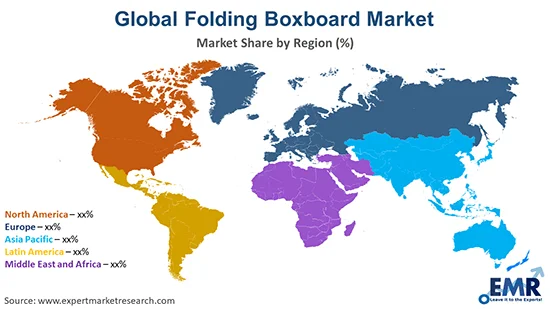
What is the Folding Boxboards market?

The manufacturing, sale, and consumption of materials made of folding boxboard are collectively referred to as the “folding boxboard market.” Paperboard known as “folding boxboard” is frequently used to package a range of consumer goods, including food, cosmetics, medications, and other retail goods.

The Folding Boxboard market refers to the industry involved in the production, distribution, and consumption of folding boxboard materials
Folding Boxboards

Important elements of the market for folding boxboard include:

  • Production: Firms in this segment produce materials for folding boxboards. In order to create a durable paperboard with qualities suited for folding, creasing, and printing, wood pulp or recycled paper fibres must be processed.
  • Variety: To meet diverse packaging requirements, folding boxboard is available in a range of grades and thicknesses. It may be coated or uncoated, and the finish’s quality varies. For colourful packaging graphics, certain folding boxboard is made with exceptional printability in mind.
  • Applications: The main usage of folding boxboard is packaging. To make cartons, boxes, and packaging containers, it is frequently employed. Its adaptability makes it a popular option for packaging solutions that need both a high-quality printing surface and structural stability.
  • End-User sectors: A wide range of sectors, including the food and beverage industry, pharmaceuticals, personal care items, electronics, and more, are served by the folding boxboard market. The usage of foldable boxboard advantages any product that needs packaging.
  • Sustainability: The Folding Boxboard market has recently placed a greater emphasis on sustainability. The demand for environmentally friendly packaging among customers and businesses has sparked the creation of recyclable and biodegradable folding boxboard materials.
  • Market Size: The market size for folding boxboard varies by region and is determined by elements like the state of the economy, consumer demand, and market trends.
  • Competition: The production and distribution of folding boxboard is carried out by numerous businesses all over the world. Market competition can be strong, with businesses fighting for contracts with well-known brands and stores.
  • Regulations: Depending on the country and location, there may be laws governing the production and use of folding boxboard materials that are concerned with safety, the environment, and product quality.
  • Trends: The market for folding boxboard may be affected by ongoing trends such as improvements in packaging technology, the creation of new sustainable materials, and shifts in customer tastes.

Overall, the Folding Boxboard market is a vital sector of the packaging industry, offering goods that support product protection, communicate branding messages, and satisfy the requirements of both clients and customers.

How does it Work in Stock Market?

The term “folding boxboards” doesn’t have a specific or well-known definition or function in the context of the stock market. As was already indicated, folding boxboards generally pertain to the packaging sector. However, if you’re curious about how stocks or investments in businesses operating in the packaging sector might function on the stock market, I can offer the following information:

  • Stocks of Packaging Companies: Shares (stocks) of businesses engaged in the manufacture and sale of packaging materials, such as folding boxboards, can be purchased and sold by investors. These businesses may be listed on stock exchanges, and the value of their shares may change depending on a number of variables including financial performance, market trends, and financial conditions.
  • Investors frequently do sector analyses of the stock market, including the packaging industry, in order to find promising investment opportunities. They evaluate the companies in this industry’s financial standing, future growth, and competitive placement.
  • Earnings Reports: Packaging firms routinely publish quarterly and annual earnings reports, much like any publicly traded companies. These reports give information on a company’s financial performance, such as sales, profit margins, and projections for the future. These reports may have an impact on stock prices.
  • Market mood: News about the packaging business and market mood can have an impact on stock prices. Stock prices can rise in response to good news like the introduction of new products or rising demand for packaging materials, but they can also fall in response to bad news like regulatory problems or falling demand.
  • Dividends and Capital Appreciation: Shareholders in packaging companies may get dividends, which represent a share of the company’s profits, as well as capital appreciation, which refers to a rise in stock value over time. Both elements may impact the overall return on investment.
  • Risk management: Stock market investors, including those interested in stocks related to packaging, frequently employ a variety of risk management techniques. To spread risk, this can involve diversifying their portfolio by making investments in other sectors and businesses.
  • Investment Strategies: Long-Term vs. Short-Term: Some investors adopt a long-term strategy, keeping equities for many years, while others participate in short-term trading, hoping to profit from market swings over shorter timeframes.
  • study and Analysis: Before making an investing choice, successful stock market players often perform extensive study and analysis. This may entail researching corporate financials, market trends, and macroeconomic variables that might have an impact on the packaging industry.

Advantages and Disadvantages of Folding Boxboards

Advantages:

  1. Potential for High Returns: Historically, the stock market has provided investors with the chance to earn better returns over the long term when compared to alternative investment options. Dividends and capital growth are advantageous to investors.
  2. Investing in stocks enables you to diversify your portfolio by distributing your money among several different firms and industries. Because different industries may fare differently depending on the state of the economy, this can help lower risk.
  3. Stocks may typically be bought or sold rapidly, making it simple for investors to access their money when needed. Stocks are thus commonly regarded as liquid assets.
  4. Ownership Stake: When you purchase stocks, you sign up as a shareholder and acquire a little stake in the business. Through shareholder meetings, this may grant you voting privileges and a voice in corporate decisions.
  5. Dividend income: Many businesses distribute dividends to their shareholders, generating a steady stream of income. For investors that prioritise generating income, this may be very appealing.
  6. financial Decisions Made on Your Behalf: If you invest in mutual funds or exchange-traded funds (ETFs), your money is handled by experts who act as your financial advisors.
  7. Tax Benefits: Long-term stock investments can offer tax benefits in some countries, such as lower capital gains tax rates.

DisAdvantages:

  1. Loss Propensity: Stock prices and the stock market can change dramatically. Losing money is always possible, especially in the near term.
  2. Lack of Guarantees: Unlike government bonds or savings accounts, stocks do not provide guaranteed returns. It’s possible that you won’t make your entire investment back.
  3. Research and knowledge are essential for successful stock investing, as well as a solid grasp of the market. Making poor financial selections might be a result of ignorance.
  4. Stress psychological: The turbulence of the market can be emotionally exhausting. During market downturns, investors may be tempted to act rashly, which can result in losses.
  5. Timing Risk: Accurate market timing might be difficult. Losses might result from making purchases at high or low price points.
  6. Fees & Expenses: Your returns may be impacted by brokerage costs, management costs for mutual funds and ETFs, and taxes on capital gains and dividends.
  7. Market Uncertainty: Economic, political, and global crises can have a big impact on stock prices and cause market uncertainty.
  8. Investment in equities often requires a long-term commitment. Short-term traders might have to pay more for transactions and pay more in taxes.
  9. Lack of Control: If a shareholder holds a small number of shares, they may not have sufficient voting power to directly influence a company’s choices.

Conclusion

In conclusion, there are benefits and drawbacks to stock market investing. Long-term wealth growth can be profitable, but there are hazards involved that investors need to be aware of.

It’s critical to take your financial objectives, risk tolerance, and investing horizon into account when considering whether to invest in the stock market. Some of the dangers connected with stock purchases can be reduced by diversifying your portfolio and getting expert guidance when necessary. Investing in stocks can ultimately be a useful instrument for building wealth, but it should be done so carefully and with a long-term perspective.

FOR MORE INFO CLICK THIS SITE:https://learningsharks.in/

FOLLOW OUR PAGE:https://www.instagram.com/learningsharks/?hl=en

Understanding the Bank Nifty

We examine the Bank Nifty’s complexities in this article, illuminating both its nature and its workings. We want to make sure you have a thorough understanding of this financial instrument by giving you the most thorough and informative guide possible.

Introduction to the Bank Nifty

A key element of the Indian stock market is the Bank Nifty, also referred to as the Nifty Bank Index. It consists of the National Stock Exchange (NSE)-listed banking stocks that are most liquid and frequently traded. This index acts as a gauge for the general state and performance of the Indian banking industry.

Bank Nifty Components

It’s crucial to comprehend the Bank Nifty’s constituent parts before delving into how it operates. Banking behemoths like HDFC Bank, ICICI Bank, State Bank of India, Kotak Mahindra Bank, and other top financial institutions are frequently included in the index. Collectively, these stocks influence the movement and performance of the Bank Nifty.

Role of the Bank Nifty

In the Indian financial market, the Bank Nifty is essential. It is a useful tool for investors, traders, and financial analysts because it provides insights into the performance of the banking industry. Here are a few of its main duties:

  1. Benchmark for Banking Stocks: The performance of banking stocks is measured against the Bank Nifty, which enables market participants to assess the sector’s health.
  2. Derivative Trading: The Bank Nifty is one of the most actively traded derivative instruments in India. Traders use Bank Nifty futures and options to speculate on market movements and hedge their positions.
  3. Investment Diversification: Investors can use Bank Nifty-based Exchange-Traded Funds (ETFs) to diversify their portfolios and gain exposure to the banking sector.

Factors Influencing Bank Nifty Movements

The following variables may affect how the Bank Nifty fluctuates:

  • Interest rates: The Reserve Bank of India’s (RBI) adjustments to interest rates can have a big impact on banking stock prices.
  • Economic Indicators: The performance of banking stocks can be impacted by economic data such as GDP growth, inflation rates, and industrial production.
  • Global Events: The banking industry may experience volatility as a result of global economic and geopolitical developments.

Trading and Investing in the Bank Nifty

Trading Strategies

When trading the Bank Nifty, traders use a variety of strategies, including:

  • Intraday Trading: Traders buy and sell Bank Nifty contracts within the same trading day, capitalizing on short-term price movements.
  • Swing Trading: Swing traders examine both technical and fundamental factors in order to capture price swings that last a few days to weeks.
  • Options Strategies: To profit from anticipated volatility, options traders use strategies like straddles, strangles, and spreads.

Investment Considerations

The Bank Nifty may be a useful addition to the portfolios of long-term investors. Here are some crucial things to remember:

  • Diversification: Including ETFs based on the Bank Nifty index can help you diversify your investment holdings.
  • Fundamental Analysis: Research the fundamentals of individual banking stocks within the index to make informed investment decisions.
  • Risk management: The Bank Nifty has risks, just like any investment. Utilize risk management techniques to safeguard your financial resources.

Conclusion

In conclusion, the Bank Nifty index, which measures the performance of the banking sector, is crucial to the Indian stock market. Investors and traders alike must comprehend its constituent parts, calculation process, and the factors affecting its movements. Whether you’re an experienced trader or a novice, the Bank Nifty provides a wide range of opportunities for wise trading and investment choices.

FOR MORE INFO CLICK THIS SITE:https://learningsharks.in/

FOLLOW OUR PAGE:https://www.instagram.com/learningsharks/?hl=en
How can I Mitigate Risks in the Stock Market?

To protect your money and meet long-term financial objectives, it’s crucial to minimise stock market risks. Even while it’s impossible to completely eliminate all hazards, there are a number of useful risk-reduction and risk-management techniques you may employ:

Diversification:

  • Invest in a variety of industries (technology, healthcare, finance, etc.) and asset classes (stocks, bonds, real estate, etc.).
  • Risk can be decreased by diversifying within each asset class by holding a variety of different assets.

Investigation and due diligence

  • Do extensive study on the businesses or assets you are investing in. Recognise their company strategies, financial standings, and competitive situations.
  • Keep up with market and sector changes that may affect your investment decisions.

Risk Tolerance Evaluation:

  • Honestly evaluate your risk appetite and make investments in accordance. Your financial objectives and the length of your investing horizon should be compatible with your level of risk tolerance.
  • To ascertain your level of risk tolerance and develop a suitable investing strategy, think about speaking with a financial advisor.

Asset Management:

  • Choose an asset allocation plan based on your risk appetite and financial objectives. If you have a lower risk tolerance, allocate a bigger percentage to safer assets like bonds; if you can bear more risk, allocate a higher percentage to stocks.

Cost-to-Dollar Averaging

  • Instead than investing all at once, invest a set amount of money at regular periods (such as monthly or quarterly). Utilising this method can help your portfolio be less vulnerable to market volatility.

Put stop-loss orders to use:

  • To reduce potential losses on specific stock positions, take into account placing stop-loss orders. If a stock exceeds the predetermined price threshold, these orders automatically sell it.

Emergency Reserve:

  • Keep a cash reserve set aside for emergencies that can cover several months’ worth of spending. In the event of unanticipated events, this can serve as a financial safety net.

Future Perspective

  • Have a long-term outlook when investing. This strategy can assist you in navigating short-term volatility because the stock market is typically less volatile over longer time frames.

Keep Emotions Out of Decisions:

  • Don’t let greed or fear influence your investment choices. Impulsive decisions brought on by emotional reactions may ruin your portfolio.

Continual Education:

  • Keep yourself updated on the ideas and tactics of investing. Update your knowledge frequently, and when necessary, change how you approach investing.

Think About Expert Advice:

  • If you’re unsure of your investing choices or don’t have the time to maintain your account, think about working with a financial advisor who can offer knowledgeable advice.

Tools for Risk Management:

  • If you have more experience in the stock market, look into risk control methods like options and hedging techniques. These can aid in shielding your portfolio against traumatic market occurrences.

FOR MORE INFO CLICK THIS SITE:https://learningsharks.in/

FOLLOW OUR PAGE:https://www.instagram.com/learningsharks/?hl=en