
Learning sharks-Share Market Institute


Rajouri Garden  8595071711 7982037049  Noida 8920210950 , and  Paschim Vihar  7827445731  

Fee revision notice effective 1st Jan 2026; No change for students enrolled before 15th Jan 2026

Download “Key features of Budget 2024-2025here

Best Pattern for Intraday Trading

Purchasing and selling securities listed in a stock exchange on the same day is known as intraday trading.
Intraday Trading

The phrase “intraday trading” has become extremely well-known in the constantly changing world of finance and investments. The buying and selling of financial instruments takes place during the same trading day and is known as intraday trading or day trading. It’s a risky game that calls for accuracy, expertise, and a clear plan of attack. In this thorough guide, we’ll delve into the best intraday trading pattern to aid you in navigating the choppy waters of the stock market.

What is Intraday Trading?

Let’s start with the fundamentals before we delve into the best patterns for intraday trading. Buying and selling financial assets, such as stocks or currencies, within the same trading day is known as intraday trading. Day traders, as opposed to conventional long-term investors, seek to gain from transient price changes. It’s a quick-paced endeavor that necessitates quick decisions and a firm grasp of market dynamics.

The Importance of a Trading Pattern

Intraday trading is not a random activity; it requires a well-thought-out approach. One of the keys to success in this domain is the implementation of a robust trading pattern. A trading pattern is a set of rules and strategies that traders use to make informed decisions and increase their chances of profitability. Here, we will explore the best intraday trading patterns to help you gain an edge in the market.

The Best Intraday Trading Patterns

1. The Bull Flag Pattern

Intraday traders frequently choose the Bull Flag pattern. It happens when a prolonged period of price consolidation (the flag) follows a sharp upward price movement (the flagpole). A breakout from the flag, which denotes a potential continuation of the upward trend, is what traders watch for. This pattern is a useful tool for day traders because it offers distinct entry and exit points.

2. The Bear Flag Pattern

On the other hand, traders who want to profit from declining prices use the Bear Flag pattern. With a sharp downward price movement (flagpole) followed by a consolidation phase (the flag), it is the opposite of a bull flag. A potential short-selling opportunity would be indicated by a breakout from the flag that is downward-pointing.

3. The Head and Shoulders Pattern

A trustworthy sign of a trend reversal is the Head and Shoulders pattern. It has three peaks: a higher peak (called the head) and two smaller peaks (called the shoulders). A bearish trend reversal is suggested when the price closes below the “neckline,” giving traders the chance to go short.

4. The Double Top and Double Bottom Patterns

These patterns are very good at spotting possible trend reversals. Following an uptrend, the Double Top forms two peaks at roughly the same height. A possible reversal is indicated by a breakdown below the trough that lies in between the peaks. On the other hand, a breakout above the peak that lies in between two troughs in the Double Bottom pattern, which forms after a downtrend, indicates a potential reversal.

5. The Moving Average Crossover

Two moving averages are used in this pattern: a short-term (9-day, for example) and a long-term (21-day, for example). When the short-term moving average crosses above the long-term moving average, this is referred to as a “crossover” and denotes a bullish trend. A crossover that goes the other way, however, denotes a bearish trend. This pattern is used by traders to pinpoint entry and exit points.

Risk Management and Discipline

Understanding these patterns is essential for successful intraday trading, but risk management and discipline should also be emphasized. It’s simple to let emotions get the best of you when trading intraday because it can be extremely volatile. You should place stop-loss orders, diversify your holdings, and decide on a trade’s risk-reward ratio. Successful day trading is built on disciplined adherence to a strategy.

Pros and Cons of intraday trading

Pros:

  • Potential for Quick Gains: Trading intraday provides the chance to gain money during a single trading day. Traders can profit from brief price fluctuations and realize modest gains.
  • Reduced Overnight Risk: Day traders do not hold positions overnight, unlike long-term investors. This indicates that they are not exposed to the dangers linked to overnight market movements, such as those brought on by breaking news or earnings reports.
  • Liquidity Has Increased: Intraday traders frequently concentrate on highly liquid assets, which makes it simpler to buy and sell positions quickly at the prices that are desired. The risk of slippage is decreased by this liquidity.
  • Diversification: By trading a variety of assets in a single day, day traders can diversify their portfolio. This risk-spreading diversification can assist.
  • Flexible Trading Hours: Intraday trading permits a flexible trading schedule. Trading can take place only during certain market hours that suit the preferences and schedules of the individual traders.

Cons:

  • High Risk: Trading intraday is by its very nature risky. Leverage is a common trading strategy that can magnify gains and losses. Even a slight downward price movement can result in sizable losses.
  • Stress and Emotions: Day trading’s fast-paced environment can result in stress and irrational choices. Impulsive behavior and a lack of self-control can lead to losses.
  • Commissions and expenses: Frequent trading can result in significant spread and commission costs, which can reduce profits.
  • Knowledge and Skill Needed: Technical analysis, market indicators, and trading strategies must all be thoroughly understood in order to be successful in day trading. Beginner traders might initially struggle.
  • Market Volatility: Extreme market volatility may be present during intraday trading. Unexpected losses may be the result of sudden price changes.
  • Short-Term Capital Gains Tax (STCG): In some nations, intraday trading profits may be subject to STCG, which can lower overall returns.
  • Day traders have a limited amount of time to do in-depth research on their trades. This might result in rash decisions.

Conclusion

Although it carries some risk, intraday trading can be lucrative. Using the best patterns and strategies is crucial for success in this fast-paced world. You can increase your chances of success by using the patterns described in this guide, including Bull Flag, Bear Flag, Head and Shoulders, Double Top, Double Bottom, and Moving Average Crossover. Always keep in mind that knowledge, discipline, and a clearly defined trading pattern are the keys to successful intraday trading. Wishing you luck as you pursue day trading!

FOR MORE INFO CLICK THIS SITE:https://learningsharks.in/

FOLLOW OUR PAGE:https://www.instagram.com/learningsharks/?hl=en

How many types of Mutual funds are there in India?

Based on the underlying investment objectives and asset classes, Mutual funds in India can be divided into a number of different types. Here are a few of the popular mutual fund categories offered in India:

  1. Equity Funds: These funds primarily invest in stocks and are suitable for investors looking for long-term capital appreciation. They can further be categorized into large-cap, mid-cap, small-cap, and multi-cap funds.
  2. Debt Funds: Debt funds invest in fixed-income securities such as government bonds, corporate bonds, and money market instruments. They are ideal for investors seeking regular income and capital preservation.
  3. Hybrid Funds: Hybrid funds mix equity and debt instruments in their investments. They seek to strike a balance between income generation and capital growth.
  4. Index Funds: These funds try to match the performance of a particular stock market index, such as the Sensex or Nifty 50.
  5. Exchange-Traded Funds (ETFs): ETFs are traded on stock exchanges like individual stocks but are similar to index funds. They provide real-time trading flexibility.
  6. Sectoral and Thematic Funds: These funds invest in particular industries or topics, such as infrastructure, healthcare, or technology. They are appropriate for investors who have an opinion on a specific sector or trend.
  7. Equity-Linked Saving Schemes (ELSS): Under Section 80C of the Income Tax Act, ELSS provide tax benefits. They have a lock-in period, and you can deduct some of your investment from your taxes.
  8. Liquid Funds: Liquid funds offer high liquidity and invest in short-term money market instruments. They are perfect for storing extra money or meeting urgent cash needs.
  9. Gold funds: These funds invest in physical gold or things that have anything to do with gold. They enable investors to benefit from the performance of gold without actually owning any of the metal.
  10. International funds: These funds make investments in foreign markets. By exposing investors to foreign stocks and bonds, they enable diversification outside of the Indian market.
  11. Real Estate Investment Trusts (REITs) and Infrastructure Investment Trusts (InvITs): These are specialized funds that invest in either real estate or infrastructure projects. They provide a special route for investing.
  12. Debt-oriented Hybrid Funds: These funds invest primarily in debt securities while also including a small amount in stocks. They are appropriate for cautious investors seeking a balance between safety and possible capital growth.
  13. Gilt Funds: With very little credit risk, gilt funds invest in government securities. Investors who are risk averse should use them.
  14. Fixed Maturity Plans (FMPs): FMPs invest in debt securities and have a fixed maturity period. Their fixed return potential has made them well known.

Before selecting the mutual fund types that match your financial objectives and risk tolerance, it is crucial to understand the investment objectives and risk profiles of each. Additionally, if you want specific advice, you should always think about speaking with a financial advisor.

FOR MORE INFO CLICK THIS SITE:https://learningsharks.in/

FOLLOW OUR PAGE:https://www.instagram.com/learningsharks/?hl=en
What are the best SMC strategies for Day Trading?

A well-thought-out plan is needed for day trading, which is purchasing and selling financial products on the same trading day in order to maximise earnings and minimise risks. Here are some well-liked day trading SMC (Stocks, Forex, and Cryptocurrencies) techniques, subject to your risk tolerance and market conditions:

  • Scalping: Scalping is a trading technique in which numerous little trades are made throughout the day in an effort to capitalise on minute price changes. Scalpers frequently only maintain positions for a short period of time—a few seconds to a few minutes.
  • Day Range Trading: Day traders that employ the day range trading method search for assets that are moving inside a clearly defined price range. They sell close to the resistance level and buy close to the support level. These levels can be found using technical analysis techniques like Bollinger Bands and moving averages.
  • Momentum Trading: Momentum traders concentrate on assets with sharp price changes, frequently brought on by breaking news or significant market events. By taking long or short positions, they hope to profit from the continuation of these patterns.
  • Breakout Trading: Assets that are going to leave their trading range are sought after by breakout traders. When the price crosses over resistance, they buy, and when it crosses under support, they sell. Indicators of volume and volatility may be helpful in this technique.
  • Trend Following: Identifying and following established trends is the goal of trend traders. They trade in uptrends and downtrends, respectively. Trend identification can be aided by moving averages, trendlines, and trend indicators like the Relative Strength Index (RSI).
  • Pattern Recognition: Identification of chart patterns, such as head-and-shoulders, triangles, and flags, is the focus of the pattern recognition technique. These patterns are used by traders to forecast potential price fluctuations and place trades appropriately.
  • News Trading: Traders who employ this method concentrate on important news events and economic data points that have the potential to affect asset values. They take positions before or right away after the news is announced because they predict how the market will respond.
  • Trading algorithms: Some day traders employ trading algorithms that automatically place trades based on preset parameters. These algorithms are able to execute trades quickly and profit from market inefficiencies.
  • Risk Management: Effective risk management is essential regardless of the technique you decide on. Reduce potential losses by using stop-loss orders, and never risk more than a small portion of your trading capital on a single trade.
  • Continuous Learning: The SMC day trading strategy that works best for you depends on your personality and level of risk tolerance. It’s crucial to keep learning, backtest your ideas, and adjust to shifting market conditions.

FOR MORE INFO CLICK THIS SITE:https://learningsharks.in/

FOLLOW OUR PAGE:https://www.instagram.com/learningsharks/?hl=en
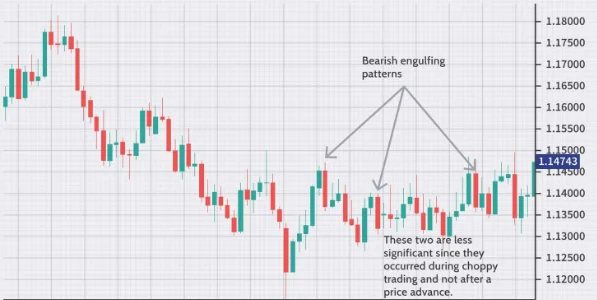
How often do Swing Traders make trades?

Swing traders often place transactions more frequently than long-term investors but less frequently than day traders. Several variables, including a swing trader’s trading technique, the state of the market, and personal preferences, might affect the precise frequency of trades. Following are some general principles:

  • Frequency:Swing traders frequently hold positions for a few days to a few weeks. They seek to identify shorter-term price fluctuations inside the more general financial market movements.
  • Trade Setup: In order to find prospective trade setups, swing traders take the time to examine price charts and technical indicators. They search for chances where they think the price is most likely to change in their favour.
  • Trigger positions: Based on their analysis, swing traders frequently have predetermined entry and exit positions. Before entering or quitting a trade, they could watch for a certain price level, a breakout, a reversal pattern, or a confirmation signal.
  • Market volatility: The frequency of swing trades can be affected by market conditions. Swing traders may find more trading chances in extremely turbulent markets, but possibilities may be scarcer in more stable markets.
  • Risk management: For swing traders, effective risk management is crucial. They often use take-profit levels to lock in profits and stop-loss orders to reduce possible losses. These levels are an element of their trading strategy and may affect how frequently they trade.
  • Portfolio Diversification: By concurrently entering many swing bets in various assets, some swing traders may opt to diversify their portfolio. The overall frequency of transaction may rise as a result.
  • Time Commitment: Swing traders must keep track of their positions often because they must adjust their transactions in response to changes in the market. Depending on the quantity of trades and the state of the market, the time commitment may change.

Swing trade frequency is ultimately a personal choice that should be in line with a trader’s risk appetite, trading approach, and available time. It’s critical to have a precise trading strategy, stick to it, and be adaptable enough to adjust to shifting market conditions. Swing traders must also use discipline and risk management in order to succeed in the financial markets.

FOR MORE INFO CLICK THIS SITE:https://learningsharks.in/

FOLLOW OUR PAGE:https://www.instagram.com/learningsharks/?hl=en

What is the Forex market concept?

A global decentralised financial market for exchanging currencies is the forex market, commonly referred to as the foreign exchange market or FX market. It is the world’s biggest and most liquid financial market, where users may buy, sell, trade, and opine on the value of various currencies.

Forex traders trade a currency pair, a quotation of two different currencies paired together.
Forex traders

The following are essential ideas in the forex market:

  • Currency Pairs: When trading in forex, currencies are quoted in pairs, such as EUR/USD (the euro against the dollar) or USD/JPY (the dollar against the yen in Japan). The base currency is the first of the pair, while the quote currency is the second. You may find out how much of the quotation currency is required to purchase one unit of the base currency using the exchange rate.
  • Market Participants:Market players include banks, financial institutions, corporations, governments, speculators, and retail traders. The Forex market is decentralised and made up of a huge network of participants. These players engage in currency trading for a variety of reasons, including speculating, investing, and international trade.
  • 24-Hour Market:Due to its international scope, the forex market is open every day of the week, 24 hours a day. It allows traders from all over the world to engage at various times as it progresses from Asia to Europe to North America.
  • Leverage: When trading forex, traders frequently employ leverage, which enables them to manage a larger position size with less capital. Risk management is essential because, while leverage can boost profits, it also raises the possibility of severe losses.
  • Bid and Ask Prices:The bid price (the price at which you may sell) and the ask price (the price at which you can buy) are the two prices that are present while trading a currency pair. The spread, which is the broker’s profit, is the difference between these prices.
  • Pips: Price changes across currency pairs are often expressed as a percentage in points (pips). The tiniest change in price that can take place in an exchange rate is called a pip. One pip corresponds to a change in price of 0.0001 or 0.01% for the majority of currency pairs.
  • Risk management: Risk management is crucial in forex trading due to the significant volatility and leverage involved. Stop-loss orders and take-profit orders are frequently used by traders to limit possible losses and lock in winnings.
  • Technical and Fundamental Analysis:Technical and fundamental analysis are two of the many tools traders employ to study the foreign exchange market. While fundamental analysis analyses news events, central bank policies, and economic data to forecast currency movements, technical analysis focuses on price charts and patterns.
  • Factors Affecting Exchange Rates: A number of factors, such as interest rates, economic data (such as GDP and employment numbers), geopolitical events, and market sentiment, affect exchange rates. To make wise trading selections, traders must keep up with these elements.
  • Regulation: The foreign exchange market is decentralised and run under many laws. In order to protect your money and follow trading rules, it’s crucial to select a reputable and regulated Forex broker.

FOR MORE INFO CLICK THIS SITE:https://learningsharks.in/

FOLLOW OUR PAGE:https://www.instagram.com/learningsharks/?hl=en

How to Master Stock Market Investing

The scrip has an average target price of Rs 133, Trendlyne data showed, suggesting a potential downside of 16 per cent. It has a one-year beta of 0.83, indicating low volatility on the counter.

We will share the essential tactics and knowledge you require to succeed in stock market investing in this in-depth guide. Our expert knowledge will enable you to make well-informed decisions and maximize your returns, whether you are a novice investor or seeking to hone your abilities.

Understanding the Stock Market

Stock Market Basics

To become a successful investor, it’s vital to grasp the fundamental concepts. Stocks represent ownership in a company, and their prices fluctuate based on various factors, including company performance, market sentiment, and economic conditions.

Market Indices

Market indices, such as the S&P 500 and Dow Jones Industrial Average, measure the performance of a group of stocks. These benchmarks provide insights into the overall market’s health and can guide your investment decisions.

Building a Solid Investment Strategy

Define Your Financial Goals

Before you start investing, determine your financial objectives. Are you looking for long-term growth, income, or both? Having a clear goal will help shape your investment strategy.

Diversification

Diversifying your investment portfolio across various asset classes, industries, and geographical regions can reduce risk. Consider allocating your funds to stocks, bonds, and other assets to achieve a balanced and resilient portfolio.

Risk Tolerance

Understanding your risk tolerance is essential. Some investors are comfortable with higher risks for potentially higher returns, while others prefer a more conservative approach. Assess your risk tolerance and align your investments accordingly.

Fundamental Analysis

Conduct thorough research on companies before investing. Analyze financial statements, competitive positioning, and industry trends to identify fundamentally strong stocks.

Technical Analysis

Technical analysis involves studying price charts and patterns to predict future price movements. Combining technical analysis with fundamental analysis can provide a well-rounded perspective.

Investment Strategies

Long-Term Investing

Investing with a long-term perspective allows you to ride out market fluctuations. Historically, long-term investors have seen substantial returns on their investments.

Value Investing

Value investors seek undervalued stocks that have the potential for growth. They believe that the market often undervalues quality companies, offering an opportunity for profit.

Dividend Investing

Dividend stocks provide a consistent income stream through regular dividend payments. This strategy is favored by income-focused investors.

Growth Investing

Growth investors target companies with high growth potential, even if they may not pay dividends. These stocks are often associated with higher volatility.

Risk Management

Stop-Loss Orders

Implementing stop-loss orders can limit your potential losses by automatically selling a stock if it reaches a specified price.

Portfolio Monitoring

Regularly monitor your investments to stay informed about market developments and adjust your portfolio as needed.

Tax-Efficient Investing

Tax-Advantaged Accounts

Utilize tax-advantaged accounts like IRAs and 401(k)s to minimize your tax liability and boost your long-term returns.

Conclusion

Mastering stock market investing is a journey that requires continuous learning and adaptation. By understanding the basics, defining your goals, and employing sound investment strategies, you can build a successful portfolio that withstands market volatility and delivers long-term financial growth.


FOR MORE INFO CLICK THIS SITE:
https://learningsharks.in/

FOLLOW OUR PAGE:https://www.instagram.com/learningsharks/?hl=en

What is the best strategy for trading during a bear market?

The issue was managed by HDFC Bank, Motilal Oswal Investment Advisors and Nuvama Wealth Management, while Bigshare Services was the registrar to the issue.

The ability to adjust to changing market conditions is crucial in the world of investments and financial markets. The bear market is one such scenario that frequently sends chills down investors’ spines. It’s crucial to have a well-thought-out strategy in place to safeguard your assets and possibly profit from the downturn when the market is in a bearish phase. To assist you in navigating the choppy financial waters, we will examine the best trading tactics during a bear market in this comprehensive guide.

Understanding the Bear Market

It’s critical to comprehend what a Bear market is before diving into strategies. An extended period of falling asset prices, typically indicated by a 20% decline from recent highs, characterizes a bear market. It stands in sharp contrast to a bull market, in which prices are rising. In a bear market, the economy may be in trouble and investor sentiment is negative.

1. Maintain a Diversified Portfolio

Diversification is one of the guiding principles of investing. By diversifying your investments across various asset classes, this strategy lowers the risk of bear markets. Stocks, bonds, real estate, and alternative investments like commodities or cryptocurrencies can all be included in a portfolio’s diversification. By diversifying, you protect your portfolio from irreparable losses caused by a downturn in one industry.

2. Use Defensive Stocks

Industry sectors with defensive stocks typically maintain their stability, even during bear markets. These sectors include consumer goods, utilities, and healthcare. Investing in these industries can act as a buffer against the market’s decline as a whole. Even though the gains might not be as significant as in a bull market, the stability they provide can be extremely valuable.

3. Implement Stop-Loss Orders

The use of stop-loss orders is a crucial risk management strategy. You can reduce your losses in a bear market by establishing predetermined price points at which your assets will be sold. Using this tactic, you can keep control of your portfolio and stop significant value declines in your assets.

4. Seek Out Dividend Stocks

During a bear market, dividend-paying stocks can act as a source of income. Companies that maintain dividend payments during bear markets frequently demonstrate sound financial standing. Losses in other areas of your portfolio can be partially offset by these dividends.

5. Consider Short Selling

A strategy called short selling involves betting on the decline of an asset’s price. Even though it’s a more sophisticated and dangerous strategy, it can be successful in a bear market. However, when short selling, it’s essential to have a thorough understanding of the market and to use effective risk management strategies.

6. Regularly Rebalance Your Portfolio

A bear market causes a sharp change in asset values. You can maintain the asset allocation you want by routinely rebalancing your portfolio. Selling profitable assets and purchasing underperforming ones involves this strategy. You maintain your portfolio’s alignment with your long-term objectives by doing this.

Conclusion

It can be difficult to navigate a bear market, but with the right plan in place, you can limit your losses and perhaps even seize opportunities. You can prosper in bearish market conditions by using effective tools like diversification, defensive stocks, stop-loss orders, dividend stocks, short selling, and routine portfolio rebalancing. You’ll be more equipped to weather the storm and come out stronger by putting these strategies into practice.

FOR MORE INFO CLICK THIS SITE:https://learningsharks.in/

FOLLOW OUR PAGE:https://www.instagram.com/learningsharks/?hl=en

What is the Best Time to buy a Stock for Intraday Trading?

The optimum time to purchase a stock for intraday trading can vary depending on your trading technique, the state of the market, and the particular stock you are interested in. You can use the following factors to determine when to buy intraday stocks:

Purchasing and selling securities listed in a stock exchange on the same day is known as intraday trading.
Intraday Trading
  • Market Opening: The opening bell, or the initial few minutes of trading, can be highly erratic. Before entering a trade, some intraday traders prefer to wait for the initial volatility to subside, usually within the first 15 to 30 minutes. They are able to better understand the pattern of the day as a result.
  • Pre-Market Analysis: Before the market opens, pre-market analysis must be done. Keep an eye out for news, earnings reports, and other elements that could have an impact on the stock you are interested in. You can use this information to discover potential hazards and opportunities.
  • Technical Analysis: To find entry points, many intraday traders use technical analysis, which entails looking at charts and technical indicators. To help you time your entrance, you could look for patterns, support and resistance levels, and momentum indicators.
  • Volume: In intraday trading, trading volume can be a key component. It is simpler to trade stocks with high trading volume since they often have more liquidity and smaller bid-ask spreads. A lot of people believe that trading stocks with enough liquidity is a smart idea.
  • Market Trends: During the trading day, intraday traders frequently track market trends. Some traders might opt to enter in the direction of a stock’s obvious rising or falling trend.
  • Avoiding Earnings Announcements:Avoid trading during or immediately after an earnings announcement to avoid missing out on important information. Earnings reports can cause large price gaps and more volatility, which increases the risk of intraday trading.
  • Lunchtime Lull: Between 12 and 1:00 PM, many stock markets experience a period of less activity. During this period, some intraday traders reevaluate their positions or take a break.
  • Market close: The final hour of trading, referred to as the “power hour,” can be especially active. Since many traders base their judgements on the closing price, volatility may be higher during this time.
  • Stop Loss Orders:No matter when you place a trade, it’s critical to have a stop-loss order in place to reduce possible losses. If the stock moves in the opposite direction of your trade by the given amount, this order will immediately sell your position.
  • Risk management: Have a well-defined trading plan that includes your entry and exit techniques as well as risk management guidelines before making any trades. Maintain your course of action and abstain from rash choices.

FOR MORE INFO CLICK THIS SITE:https://learningsharks.in/

FOLLOW OUR PAGE:https://www.instagram.com/learningsharks/?hl=en

What are the top 5 AI stocks right now?

As of September 2021, when I last updated my knowledge, I am unable to offer real-time data on certain stocks. Based on market conditions and corporate changes, the performance of stocks tied to artificial intelligence can fluctuate quickly. I can, however, name a few AI-related businesses that were well-known in 2021, and you may verify their present standing and stock market performance:

AI stock
  • NVIDIA Corporation (NVDA): NVIDIA is a well-known hardware provider for artificial intelligence (AI) and graphics processing units (GPUs). They work on a variety of AI projects, such as those involving data centres, gaming, and driverless cars.
  • Alphabet Inc. (GOOGL): Alphabet, the parent company of Google, has a large investment in artificial intelligence and machine learning. Through its subsidiary Waymo, Google uses artificial intelligence (AI) technologies in products including search, advertising, and autonomous driving.
  • (AMZN): Amazon applies AI to a number of parts of its operations, including as its Alexa voice-activated assistant, logistics optimisation, and recommendation engines. Other companies can also get AI and machine learning capabilities from AWS (Amazon Web capabilities).
  • Microsoft Corporation (MSFT): Microsoft is a significant leader in the field of artificial intelligence, and its Azure cloud platform provides a number of AI and machine learning technologies. Additionally, they add AI to items like Office 365 and Xbox.
  • IBM (IBM): IBM has long been engaged in AI research. Through IBM Watson, which is used in sectors including healthcare, finance, and supply chain management, they provide AI solutions.

Please be aware that the stock market can fluctuate and that the performance of specific stocks can change very quickly. Before investing in any companies, including those in the AI sector, it is imperative to carry out careful research, take into account your investment objectives, and assess your risk tolerance. Additionally, after my knowledge update in September 2021, the status of these companies and their positions in the AI market may have changed. As a result, it is advisable to review current financial sources and perform your due diligence.

FOR MORE INFO CLICK THIS SITE:https://learningsharks.in/

FOLLOW OUR PAGE:https://www.instagram.com/learningsharks/?hl=en
What is SL in stock market?

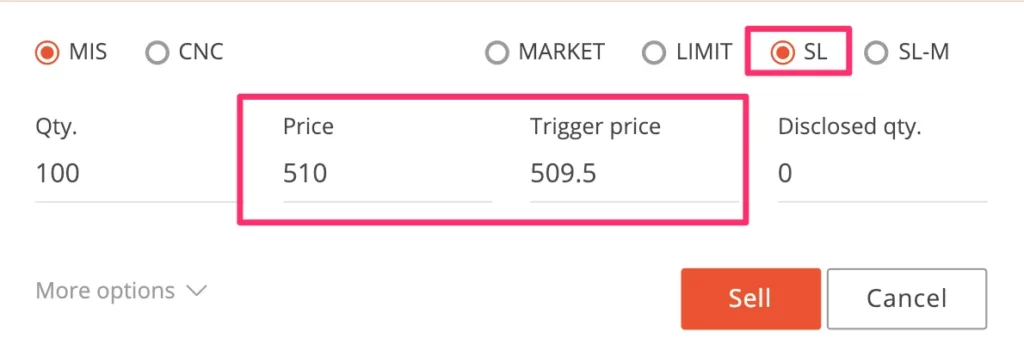
SL (Stop Loss)

Typically, “SL” in the stock market refers to “Stop Loss.” A stop loss is an order made by a trader or investor to sell a stock at a certain price, so limiting potential losses on a position. The order is activated when the stock price reaches or drops below the specified stop price, and the stock is automatically sold to stop additional losses. Stop Loss orders are a risk management strategy that investors employ to safeguard their stock market investments.

  • Stop Loss: “SL” is frequently used to refer to “Stop Loss.” An order to purchase or sell a stock when it reaches a specific price is known as a stop loss order. To reduce their potential losses on a stock position, traders and investors employ it. The order is activated when the stock price reaches or drops below the specified stop price, and the stock is then sold (in the case of a stop-loss sell order) to stop additional losses.
  • Stock Symbol: “SL” may also serve as an acronym for a specific company’s stock symbol. Stock symbols are abbreviations or characters that are used only on stock markets to identify publicly traded corporations. Depending on the exchange and timeframe, “SL” might, for instance, stand in for the stock symbol for a corporation like Schlumberger Limited or Standard Life Aberdeen plc.
  • Singapore Exchange: “SL” could be a reference to the Singapore Exchange. A stock exchange where a variety of financial items, including stocks, are traded is this one. On the Singapore Exchange, stock symbols frequently end in “.SI.”

You would need to take into account the context in which it is used—or supply more information for clarification—to ascertain the precise meaning of “SL” in the stock market.

How SL work in stock market

In the stock market, a stop loss (SL) order is a risk management strategy used to reduce potential losses on a stock position. This is how it goes:

  1. Placing the Order: You may also place a Stop Loss order when you purchase a stock. In the event that the stock price swings against you, this order indicates a price at which you are prepared to sell it.
  2. Monitoring the Stock: After placing your Stop Loss order, you must keep an eye on the stock’s price. The Stop Loss order is activated if the stock’s price falls to or below your stop price.
  3. Order execution: When the Stop Loss order is activated, it transforms into a market order and will be carried out at the following market price. Because market prices might change, it’s possible that your order will be filled slightly above or below the stop price you chose.
  4. Flexibility: Prior to being activated, Stop Loss orders can be changed or cancelled at any moment. This enables you to modify your risk management plan or adjust to shifting market conditions.

Advantages and Disadvantages

Advantages

  • Risk control: Risk control is the main benefit of employing Stop Loss orders. They aid in limiting possible losses on a stock position and help you avoid suffering losses that are more than what you can bear.
  • Stop Loss orders: can aid traders and investors in exercising emotional restraint and preventing impulsive, emotional judgements. The temptation to stick onto a losing position in the hopes that it would turn around is diminished when one is aware that there is a fixed exit point.
  • Peace of Mind: Investors who use stop loss orders benefit from peace of mind since they know they have a plan in place to protect their money. This might lessen the tension and anxiety that come with stock market investing.
  • Automation: When the stop price is reached, Stop Loss orders, once issued, are automatically carried out. This is practical and guarantees that the order is filled even if you aren’t watching the market closely.

Disadvantages

  • Whipsawing: One significant disadvantage is the potential for whipsawing, which happens when a stock’s price briefly goes below the stop price and activates the order before quickly rising again. When the market quickly rebounds as a result, this may lead to selling at a loss.
  • Market Gaps: Stocks may exhibit price gaps, where the stock begins at a significantly different price than its prior close, in extremely volatile markets or following big news events. In such circumstances, stop loss orders might not be carried out at the targeted stop price.
  • Overconfidence: Putting too much faith in Stop Loss orders alone can make you feel insecure. Not all risks, such as overnight gaps or extreme market events, are covered by them.
  • Tight Stops: Using very close stop prices while setting stop loss orders might cause frequent order triggering owing to minute price changes, incurring exorbitant trading costs.
  • Missed Opportunities: Placing Stop Loss orders too close to the market price could cause a position to be prematurely closed out before it has had a chance to rebound. This may result in lost chances to gain possible benefits.
  • The use of stop loss orders: does not ensure that you will sell at the desired price, so keep this in mind. They become market orders after being activated and are carried out at the current market price, which may differ from the stop price.

Conclusion

In summary, stop loss orders are useful instruments for managing risk in the stock market, but they can have drawbacks. It’s crucial for traders and investors to use them wisely while taking into account their unique risk tolerance, market conditions, and the particular equities they are trading. Additionally, rather than serving as the only method of risk management, stop loss orders should be a part of a larger trading or investment plan.

FOR MORE INFO CLICK THIS SITE:https://learningsharks.in/

FOLLOW OUR PAGE:https://www.instagram.com/learningsharks/?hl=en