Learning sharks-Share Market Institute


Rajouri Garden  8595071711 7982037049  Noida 8920210950 , and  Paschim Vihar  7827445731  

Fee revision notice effective 1st Jan 2026; No change for students enrolled before 15th Jan 2026

Download “Key features of Budget 2024-2025here

What is Momentum Trading in Stock Market?

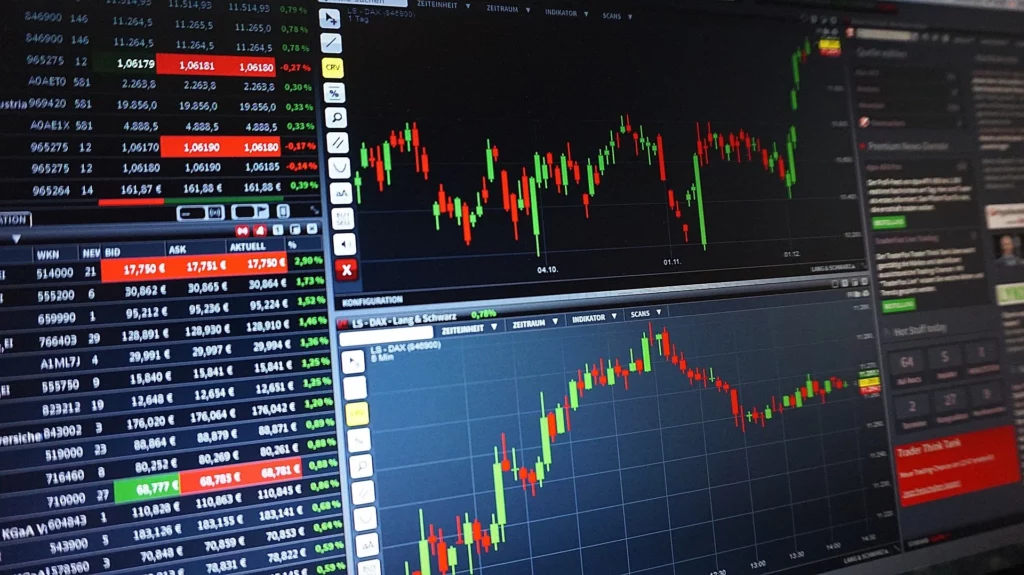
Momentum trading is a tactic where traders profit on the continuation of current trends in financial markets including stocks, commodities, and currencies. According to the theory behind momentum trading, assets that have been performing favourably in terms of price appreciation are likely to do so for a while, while assets that have been doing poorly are likely to keep decreasing.

When using a momentum strategy, traders often buy assets that have recently had price growth and sell assets that have recently experienced price decline. This strategy makes the assumption that the market frequently displays inertia, which means that trends typically endure in the short run due to factors like investor psychology, market mood, and other variables.

Technical analysis tools and indicators are frequently used by momentum traders to find assets with significant momentum. Moving averages, the relative strength index (RSI), and MACD (moving average convergence divergence) are a few common indicators. Traders can use these techniques to assess the strength and trajectory of a price trend for an asset.

It’s crucial to understand that momentum trading has hazards. If a trader doesn’t have effective risk management measures in place, the markets can be unpredictable and trends can change abruptly, resulting in substantial losses. Additionally, the performance of momentum trading varies over time and is dependent on the state of the market.

In conclusion, momentum trading includes making money off of the persistence of current price movements in financial markets. This approach seeks to capitalise on short-term momentum, but it necessitates thorough research, risk management, and an awareness of market dynamics.
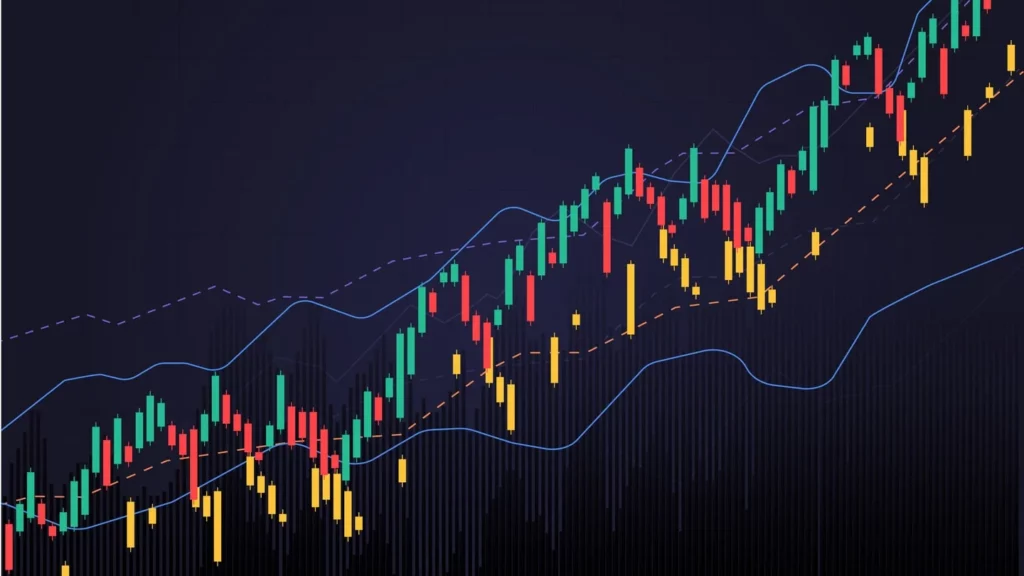
momentum trading is that assets that have been performing well in terms of price appreciation are likely to continue doing so for a certain period.
Momentum Trading

How They Work in Stock?

  • Finding Strong Trends: Momentum traders begin by locating stocks that have shown a pattern of steady price movement in one direction. This might be a trend that is moving forward (positive momentum) or downward (negative momentum).
  • Technical analysis: To verify the strength of the detected trend, traders utilise a variety of technical analysis techniques and indicators. Moving averages, which smear price data to reveal underlying trends, and oscillators like the Relative Strength Index (RSI), which gauges the pace and variety of price moves, are examples of common indicators.
  • Entry Points: Momentum traders search for appropriate entry points after spotting and validating a strong trend. In an uptrend or decline, they frequently try to enter the trade when the price has somewhat retraced from its most recent high or low. The risk-to-reward ratio may be improved as a result.
  • Position management: Momentum traders actively watch price movement after entering a transaction. They may also establish stop-loss orders to cap potential losses if the trade goes against them in addition to precise price goals at which they intend to take profits.
  • Momentum trading often has a short- to medium-term time horizon. Instead of sticking onto positions for a long time, traders try to profit from the continuation of the present trend.
  • Market mood and News: Those who trade stocks based on momentum keep an eye on market mood and news that could affect the stock’s momentum. An upward trend could be accelerated by good news, while a downward trend could be reversed.
  • Exit Strategies: Traders close out positions to lock in profits whenever the stock achieves the predetermined price goal or if the momentum begins to wane. Similarly, the stop-loss order may be activated to prevent losses if the deal is not performing as anticipated.
  • Risk Control: In momentum trading, effective risk control is essential. Position sizing, stop-loss orders, and diversification are frequently used by traders to limit possible losses from losing trades.

It’s crucial to remember that momentum trading carries dangers even if, when done correctly, it can result in gains. Due to the unpredictable nature of trends and the need for quick decisions, the strategy necessitates regular monitoring. Furthermore, not all stocks have great momentum, so success depends on rigorous study and selection.

Why is it Important in Stock Market?

  • Price Trends and Psychology: Momentum trading brings attention to market players’ psychological makeup. It demonstrates how traders and investors like to follow current trends because they think that the price fluctuations will continue. Self-fulfilling prophecies can be produced by this collective behaviour, when trends continue only because many people anticipate them to.
  • Opportunities for Short-Term Profit: Momentum trading offers traders the chance to profit from relatively quick price changes on a short- to medium-term basis. As a result, traders are able to profit from market volatility without making long-term investments.
  • Volume and Liquidity: Stocks with strong momentum typically see larger trading volumes and liquidity. More effective transaction execution and tighter bid-ask spreads may result from this increased trading activity.
  • Management of Volatility: Stocks with momentum may face more volatility as traders attempt to profit from the trend. As traders attempt to profit from price swings while minimising risks, this volatility may be both an opportunity and a challenge.
  • Market Efficiency: Stocks are priced more effectively as a result of momentum trading. It makes sure that stocks react to new information and developments swiftly, avoiding recurring mispricings.
  • Information Dissemination: Stock prices can react swiftly to new information when momentum trading is used. Markets can respond quickly to shifting fundamentals when there is upward momentum from positive news and a downward momentum from negative news.
  • Strategy Variety: The variety of trading methods employed by investors and traders is expanded by momentum trading. It provides more ways to interact with the market, complementing traditional tactics like value investing, fundamental analysis, and quantitative trading.
  • Studying momentum trading provides insights into the behavioural biases and herding behaviour that exist in the financial markets. Having a better understanding of these biases might help you create trading and risk management strategies that are more successful.
  • Information Dissemination: Stock prices can react swiftly to new information when momentum trading is used. Markets can respond quickly to shifting fundamentals when there is upward momentum from positive news and a downward momentum from negative news.
  • Strategy Variety: The variety of trading methods employed by investors and traders is expanded by momentum trading. It provides more ways to interact with the market, complementing traditional tactics like value investing, fundamental analysis, and quantitative trading.
  • Studying momentum trading provides insights into the behavioural biases and herding behaviour that exist in the financial markets. Having a better understanding of these biases might help you create trading and risk management strategies that are more successful.

Advantages and Disadvantages of Momentum Trading?

Advantages:

  1. Profit Potential: If momentum trading is done properly, it can produce substantial profits in a short amount of time. Traders can profit from trends and capture significant price movements.
  2. Quick Turnaround: Compared to long-term investing, momentum trading focuses on short- to medium-term returns, allowing traders to realise profits relatively quickly.
  3. Aligned with Market Trends: Successful momentum traders take advantage of current trends to ride their positions in line with the mood of the market.
  4. Technical Indicators: To help traders make educated trading decisions, momentum trading makes use of technical analysis tools that offer distinct entry and exit signals.
  5. Opportunities Presented by Volatility: Momentum stocks frequently exhibit greater volatility, which can be taken advantage of by traders looking to profit from market fluctuations.
  6. Adaptable Strategy: Momentum trading is flexible for traders with a range of interests because it can be applied to multiple markets like stocks, currencies, and commodities.

DisAdvantages:

  1. Momentum can suddenly change direction due to market fluctuations, breaking news, or shifts in investor emotion, which could result in losses for traders.
  2. Focus on the Short Term: Due to frequent buying and selling, momentum trading’s short-term nature can result in increased transaction costs.
  3. Risk of overtrading: Traders may be drawn to chase every potential momentum play, which can result in losses and weariness.
  4. Challenges with timing: Accurate timing of entry and exit points is essential in momentum trading. Missed earnings or losses might result from poorly timed trades.
  5. Behavioural Biases: Herd behaviour and emotional reasoning can have an impact on momentum trading, causing traders to make less-than-ideal decisions.
  6. Lack of Fundamental Analysis: Technical analysis is frequently given more weight in momentum trading than fundamental analysis, potentially omitting the underlying financial health and company valuation.
  7. Technical indicators that are utilised in momentum trading may produce false signals, which can result in losses when trends don’t materialise.
  8. Market Noise: It might be difficult to detect profitable trends in tumultuous markets since price changes can be noise rather than actual momentum.
  9. Risk Management Challenges: To deal with the possible losses that come with momentum reversals, traders require strong risk management techniques.
  10. Dependency on Data: Successful momentum trading depends on precise and timely data for analysis, and any lags or mistakes might affect judgement.

Conclusion

In conclusion, momentum trading is a dynamic and popular stock market method that takes advantage of transient price fluctuations. This strategy takes advantage of market players’ psychological propensities to maintain momentum in order to profit from the persistence of recent price movements. While momentum trading has a number of benefits, such as the possibility for quick profits and alignment with the mood of the market, it also has some significant drawbacks, including the risk of abrupt reversals, the tendency to focus on the short term, and the potential for overtrading.

A thorough understanding of market dynamics, technical analysis expertise, and disciplined risk management are all necessary for profitable momentum trading. Technical indicators must be used judiciously, and traders must constantly monitor the market for any fluctuations in mood. It’s critical to recognise the possibility of misleading signals, the impact of behavioural biases, and the difficulty of correctly timing trades.

Momentum trading is not a one-size-fits-all method, like any other trading strategy. Before implementing momentum trading into their entire trading strategy, traders should think about their risk appetite, investment objectives, and level of competence. It’s important to approach momentum trading from a balanced perspective, assessing both its possible benefits and drawbacks in the context of one’s larger trading strategy, even though it can present opportunities for profit.

CHECK OUT OUT LATEST STOCK MARKET COURSES: https://learningsharks.in/share-stock-trading-courses-online/

FOLLOW OUR PAGE: https://www.instagram.com/learningsharks/

Understanding the Economic Factors in Stock Market

The stock market, which reflects the ebb and flow of many economic forces, acts as a barometer of economic health in the complex world of finance. Given that they influence investor sentiment, market trends, and stock prices combined, these economic issues have a complicated relationship with the stock market. In this thorough tutorial, we explore the fundamental economic issues that have an impact on the behavior of the stock market.

Economic Indicators: Unveiling Market Sentiment

Economic indicators are essential tools for gaining understanding of a nation’s economic performance. The stock market is significantly impacted by several metrics, including Gross Domestic Product (GDP), the inflation rate, and the unemployment rate. Investors frequently have an upbeat outlook on corporate earnings potential when the economy is booming, with strong GDP growth and low unemployment. As a result, stock values rise.

Interest Rates and Monetary Policy

Through their power over interest rates and monetary policy, central banks play a critical role in determining the state of the economy. The stock market can be greatly impacted by changes in interest rates. Lowering interest rates frequently encourages borrowing and spending, boosting the economy and elevating stock prices. In contrast, higher interest rates may result in less consumer spending, which could have a negative impact on business profits and stock values.

Corporate Earnings: The Heartbeat of Stocks

The stock market is directly impacted by how well businesses are doing financially. Positive corporate earnings reports indicate a healthy economy, luring investors and raising stock prices. On the other hand, poor profitability can result in market falls. Demand from customers, production costs, and industry competitiveness all affect business earnings.

Global Trade and Geopolitics

Global trade and geopolitical developments have a huge impact on the stock market in today’s interconnected globe. Market turbulence can be caused by trade disputes, foreign conflicts, and trade agreements. For instance, import taxes may have an impact on business profitability and, consequently, stock prices. Investors frequently keep an eye on geopolitical happenings to anticipate probable market changes.

Technological Innovation and Industry Disruption

Market dynamics can change as a result of innovation and disruption within industry. New industries may emerge as a result of technological breakthroughs, while older ones may become outdated. Innovative businesses frequently expand quickly, grabbing the attention of investors and raising stock prices. Investors looking to take advantage of new opportunities must understand industry trends and disruptive technologies.

Market Sentiment and Psychological Factors

Investor sentiment and psychological considerations also play a major part in the stock market’s direction, which is not entirely determined by quantitative data. Market swings can be caused by purchasing and selling decisions that are influenced by fear, greed, and market mood. Stock prices can be influenced by news, social media, and public impressions of the economy. Because of this, forecasting short-term market fluctuations requires an understanding of market psychology.

FOR MORE INFO CLICK THIS SITE:https://learningsharks.in/

FOLLOW OUR PAGE:https://www.instagram.com/learningsharks/?hl=en

Mastering the Equity Market: Your Comprehensive Guide

Welcome to our in-depth guide to the equity market, where we explore the nuances of the stock and share market and give you vital tips and tricks for navigating this ever-changing environment. Our guide has you covered whether you’re an experienced investor looking to hone your techniques or a novice looking to understand the fundamentals.

Understanding the Equity Market

The stock market, often known as the equity market, is a vibrant marketplace where shares of corporations are purchased and sold. It’s a platform where investors can purchase shares or stocks, which represent a portion of a company’s ownership. These shares give you a piece of the company’s resources and earnings.

Key Features of the Equity Market

  • Liquidity and Trading: The strong liquidity of the equity market makes it very simple for investors to acquire or sell shares. Real-time transactions are made possible by the ongoing trading sessions, which generate this liquidity.
  • Price Determinants: The financial performance of the company, market trends, economic data, and investor attitude are some of the variables that affect stock prices.
  • Market Indices: The success of the entire market may be seen through indices like the S&P 500 and Dow Jones Industrial Average. They are made up of a carefully chosen selection of stocks that reflect the general market trends.

Navigating the Equity Market: Strategies for Success

  • Diversification: Risk can be reduced by distributing your investments across many sectors and industries. A portfolio with a good level of diversification is less vulnerable to the effects of a sector downturn.
  • Fundamental Analysis: This strategy entails assessing a company’s financial records, management group, and competitive landscape. On the basis of the company’s intrinsic value, it aids in your ability to make wise investment choices.
  • Technical Analysis: Technical analysis uses previous price and volume data to forecast future price changes. It is possible to see trends and potential entry or departure points using chart patterns and indicators.

Factors Influencing Stock Prices

Successful investing requires an understanding of the variables that affect stock prices. Consider the following important factors:

  • Earnings Reports: Successful investing requires an understanding of the variables that affect stock prices. Consider the following important factors:
  • Market Sentiment: Stock prices can be affected by the thoughts and feelings of investors. Positive news regarding a business or the economy as a whole can amplify market sentiment and raise prices.
  • Economic Indicators: The general market and the prices of specific stocks can be impacted by macroeconomic indices like GDP growth, unemployment rates, and inflation.

The function of trading platforms and brokers


You will want a brokerage account in order to trade stocks. Brokers carry out your buy and sell orders as middlemen. A user-friendly interface is offered by online trading platforms so that you may place trades, obtain market data, and keep an eye on your portfolio.

Conclusion

We have covered all the finer points of the equities market in this extensive book, from its essential characteristics to sensible investment tactics. You are prepared to make wise choices in the dynamic equity market by becoming aware of the elements affecting stock prices and the function of brokers. Keep in mind that investing necessitates care, study, and a long-term outlook. Invest wisely!

FOR MORE INFO CLICK THIS SITE:https://learningsharks.in/

FOLLOW OUR PAGE:https://www.instagram.com/learningsharks/?hl=en

Mastering Value Stocks: Your Ultimate Guide to Successful Investing

Understanding Value Stocks

A key component of wise investing is choosing value stocks. These equities offer an opportunity for investors to buy them at a bargain because they are currently trading below their true worth. Finding firms with solid fundamentals that the market has temporarily discounted is the key.

Identifying Value Opportunities

  • Fundamental Analysis: The Core Strategy

Thorough fundamental study is one of the best techniques to spot bargain stocks. This include assessing a company’s earnings, cash flow, financial statements, and general business outlook. Investors can identify companies that have strong growth potential but are now undervalued because of market sentiment by evaluating these variables.

  • Price-to-Earnings (P/E) Ratio

When evaluating value equities, the Price-to-Earnings (P/E) ratio is an essential statistic. It determines if a stock is overvalued or undervalued by comparing the price of a company’s stock to its profits per share (EPS). A company may be cheap if its P/E ratio is low, making it a desirable investment for bargain seekers.

Crafting Your Value Investing Strategy

  • Long-Term Mindset

Value investing is an extended endeavor. To keep your savings intact despite market volatility, you need to have patience and discipline. A long-term perspective will offer your investments the space they require to fulfill their full potential.

  • Diversification: The Risk Mitigator

Your investing portfolio should be diversified as a key risk-reduction measure. Spread your risk by making investments across a number of sectors and businesses to lessen the effect that one underperforming stock will have on your entire portfolio. This strategy aids in protecting you as you look for worthwhile chances.

Putting Theory into Practice: Case Study

Imagine Company X, a reputable technological company with solid fundamentals, saw a brief decline in the value of its stock as a result of worries felt by the entire sector. You learn via thorough investigation and analysis that the company’s financial standing is still strong and that its growth prospects are unaffected.

You successfully invest in a value stock when you buy Company X’s stock at a discount. Your investment increases, demonstrating the effectiveness of value investing as market sentiment improves and the stock’s price moves in line with its intrinsic value.

Conclusion

In conclusion, mastering value stocks is a process that calls for extensive investigation, in-depth analysis, and a long-term strategy. You can position yourself as a profitable stock market investor by comprehending the value investing tenets and adeptly spotting undervalued chances. Never forget that value investing is about making smart judgments that result in long-term financial success rather than merely achieving rapid gains. Take the first step toward a wealthy future by utilizing the potential of value stocks today.

FOR MORE INFO CLICK THIS SITE:https://learningsharks.in/

FOLLOW OUR PAGE:https://www.instagram.com/learningsharks/?hl=en

What Is Joint Stock Company?

According to the definition of a joint stock company, a particular sort of corporate organization, ownership is split up into shares that can be purchased and sold by individual investors. This distinctive organizational design enables resource pooling, which can greatly improve a company’s access to financing and ease large-scale operations. Because each shareholder’s liability is capped at the value of their shares, their personal assets are shielded from any debts or losses incurred by the firm.

Shares in a joint stock firm are transferable, allowing shareholders to purchase and sell their interests as they see fit. A joint stock company’s distinctive legal status, which makes it apart from its shareholders and enables it to possess property, enter into agreements, and take part in legal actions, is its fundamental distinguishing characteristic. Because the company’s operations and existence are unaffected by changes in its shareholder base or management, this individual legal existence offers stability. As a result, joint stock corporations are now a common option for enterprises looking for expansion, stability, and owner liability reduction.

Characteristics of a Joint-Stock Company

A joint stock corporation is distinguished from ownership and management by having a separate legal identity, limited shareholder responsibility, transferable shares, perpetual existence, and a common seal that serves as a legal signature. Joint-stock firms can provide shareholders with stability, flexibility, and protection thanks to these characteristics, which also make it easier for the business to acquire money and use its resources effectively.

Types of Joint Stock Company

  •  Registered Company  

A joint stock company that has been registered is one that has been incorporated in accordance with the applicable company legislation, completing all the legal procedures. This kind of business is recognized by the government and is subject to the rules established by the country in which it conducts business.

  • Chartered Company  

A joint stock company that was founded by a royal charter or another form of sovereign authority is known as a chartered corporation. These businesses generally benefit from special privileges or monopolies bestowed by the governing monarch or government, granting them the right to exercise exclusive control over particular markets or geographical areas.

  • Statutory Company  

A joint stock company established by a formal act of parliament or the legislature is known as a statutory corporation. This kind of business functions in accordance with the laws, privileges, and obligations established by the specific statute that established it. Statutory businesses frequently carry out public functions or work in regulated sectors like infrastructure, utilities, and transportation.

Advantages of Joint Stock Company

Joint-stock firms are a popular option for many enterprises since they provide various advantages to both the company and its shareholders:

  •  Access to capital: Joint-stock firms can amass considerable capital by combining the financial resources of many shareholders, allowing them to participate in large-scale projects, grow their business, and promote growth.
  •  Limited liability: In a joint stock corporation, each shareholder is only liable for the amount of their shares, protecting their personal assets from business-related debts or losses.
  • Transferability of shares: Because shares in a joint-stock corporation can be transferred easily, shareholders have the freedom and liquidity to buy and sell ownership interests as they see fit.
  • Perpetual existence: A joint-stock company’s operations and existence are unaffected by changes in ownership or management because it is a distinct legal entity, ensuring stability and continuity.
  • Professional management: Joint-stock corporations’ separation of ownership and management enables qualified and seasoned personnel to oversee the day-to-day operations while shareholders concentrate on their investments.
  • Economies of scale: Joint-stock firms can attain economies of scale thanks to their substantial capital bases, which lowers costs, improves resource utilization, and boosts profitability.
  • TransparencyIn order to provide openness and accountability for shareholders and potential investors, joint-stock businesses are required to publish financial reports and other pertinent information.

Joint-Stock Company vs. Public Company

Public corporations and joint-stock companies have some similarities, but they also differ significantly in the following ways:

  • Ownership transferability: Shares of publicly traded businesses can be easily transferred because they are openly exchanged on the stock market. In contrast, private joint-stock businesses may impose limitations on share transfers, frequently limiting them to members of a certain group or family.
  • Disclosure requirements: To provide openness and safeguard investors, public firms must abide by strict financial reporting and disclosure rules established by regulatory authorities. Private joint-stock corporations often offer a higher level of privacy and fewer onerous reporting requirements.
  • Investor base: Individual and institutional investors can both be found in the investor base of public firms, which is typically larger and more diverse. The investors in private joint-stock businesses are often a smaller group and frequently tied to the company’s founders or management.
  • Regulatory oversight: Since public firms are required to abide by securities laws and stock exchange regulations, they are subject to more intense regulatory monitoring. Private joint-stock firms are governed by local company law but are subject to fewer rules and regulations.

FOR MORE INFO CLICK THIS SITE:https://learningsharks.in/

FOLLOW OUR PAGE:https://www.instagram.com/learningsharks/?hl=en

Mastering Stock Market Basics: Your Ultimate Guide to Paper Trading

Welcome to our thorough guide on stock market paper trading. We will take you step-by-step through the complex world of paper trading in this manual, arming you with all the knowledge you need to comprehend, practice, and succeed in this simulated trading environment. With our professional advice and detailed explanations, you’ll develop the knowledge and self-assurance needed to master the stock market’s complexity.

Paper trading is a way to simulate trading strategies and see how they would have paid off, or not, in reality.
Paper Trading

Table of Contents

  1. Introduction to Paper Trading
  2. Advantages of Paper Trading
  3. Getting Started with Paper Trading
  4. Selecting the Right Stocks for Paper Trading
  5. Developing Your Paper Trading Strategy
  6. Tracking and Analyzing Your Performance
  7. Transitioning from Paper Trading to Real Trading
  8. Common Mistakes to Avoid in Paper Trading
  9. Conclusion

Introduction to Paper Trading

Aspiring investors can practice trading stocks using paper trading, commonly referred to as virtual trading or simulated trading, without risking any real money. It involves simulating trades using virtual money, giving newcomers a risk-free setting in which to learn, practice methods, and develop understanding of the workings of stock trading.

Advantages of Paper Trading

Paper trading has the following major benefits:

  • Risk-Free Learning: Paper trading offers the chance to study the stock market without worrying about losing actual money.
  • Strategy Testing: Investors can evaluate the performance of various trading methods in various market environments by putting them to the test.
  • Market Familiarization: The market dynamics, stock symbols, order kinds, and trading systems can all be learned by beginners.
  • Confidence Building: Experiences with profitable paper trading might give you more confidence when you switch to real trading.

Getting Started with Paper Trading

Follow these steps to start your paper trading journey:

  1. Choose a Reliable Platform: Choose a trustworthy paper trading platform with a user-friendly interface and real-time market data.
  2. Set Up Your Virtual Account: Open a paper trading account to start trading with a fictitious fund balance.
  3. Understand the Trading Platform: Familiarize yourself with the platform’s tools, charts, and features.
  4. Define Your Goals: Set clear objectives for your paper trading, whether they are to learn about market trends or to practice particular methods.

Selecting the Right Stocks for Paper Trading

When selecting stocks for paper trading, consider the following:

  • Liquidity: For simple purchasing and selling, choose equities with high trading volume.
  • Volatility: Select equities with moderate volatility that offer prospects for profit.
  • Industry Analysis: Explore companies from numerous industries to diversify your virtual portfolio.

Developing Your Paper Trading Strategy

It’s essential to develop a sound paper trading strategy. Take into account these suggestions:

  • Research: Do extensive study on the businesses you’re interested in, taking into account their financials and most recent news.
  • Technical Analysis: To find entry and exit locations, use charts and technical indicators.
  • Risk Management: To control potential losses and gains, set stop-loss and take-profit levels.

Tracking and Analyzing Your Performance

Keep track of and evaluate your paper trading results:

  • Journaling: To keep track of your transactions, decisions, and feelings, keep a trading journal.
  • Review: Review your trades frequently to find trends and potential areas for development.
  • Adjustment: Based on the knowledge you’ve gathered from your paper trading experience, adjust your strategy.

Transitioning from Paper Trading to Real Trading

When you’re prepared to start trading in the real world:

  • Start Small: To become accustomed to the fluctuations of actual markets, start with a tiny amount of your capital.
  • Emotional Preparedness: Be ready for the emotionally taxing components of actual trading, such as coping with losses.

Common Mistakes to Avoid in Paper Trading

Avoid these typical paper trading pitfalls:

  • Overtrading: Excessive trading without a defined strategy.
  • Ignoring Discipline: Failing to follow your defined trading strategy.
  • Neglecting Research: Trading without conducting adequate study and analysis.

Conclusion

Congratulations! You now have a thorough understanding of paper trading’s advantages. You will be well-prepared to navigate the stock market with confidence and skill if you adhere to the instructions provided in this manual. Remember that success in the thrilling world of stock trading depends on constant learning, practice, and discipline.

FOR MORE INFO CLICK THIS SITE:https://learningsharks.in/

FOLLOW OUR PAGE:https://www.instagram.com/learningsharks/?hl=en

What is Algorithmic Trading in Stock Market?

Algorithmic trading contributes to market liquidity by providing continuous bid and ask quotes.
Algorithmic Trading

Algorithmic trading, often known as algo trading or automated trading, is a strategy for carrying out financial transactions on the stock market by use of algorithms run on computers. This method involves pre-programming trading techniques into computer systems, and the algorithms analyse market data automatically, make trades, and manage positions without needing any direct human involvement.

Important features of algorithmic trading:

  • Automated Decision-Making: Using predetermined rules and instructions, algorithmic trading enables computers to decide whether to purchase or sell depending on particular factors such price changes, technical indicators, or fundamental data.
  • Speed: The capacity of algorithmic trading to execute trades at incredibly fast rates is one of its key features. Algorithms’ ability to quickly analyse market data, spot trading chances, and complete deals allows traders to profit from momentary market possibilities.
  • Aiming to continuously offer to purchase and sell assets, some algorithmic tactics, like market-making, strive to give liquidity to the market. These algorithms aid in reducing bid-ask spreads and enhancing market performance in general.
  • Opportunities for Arbitrage: Algorithmic trading systems may swiftly spot and take advantage of price differences between various markets or financial instruments, creating opportunities for arbitrage.
  • Risk management: To restrict transaction size, set stop-loss levels, and prevent excessive market exposure, algorithmic trading might include risk management parameters.
  • Backtesting and Optimisation: Traders can evaluate a strategy’s performance using historical data before implementing an algorithm by backtesting it. This procedure aids in the algorithm’s improvement and market-specific optimisation.
  • Algorithmic trading is frequently linked to quantitative methods, which use statistical analysis and mathematical models to find trade signals and trends.

Due to technological developments, the availability of high-speed data, and greater access to market exchanges, algorithmic trading has become more and more common in financial markets, including the stock market. Institutional investors, hedge funds, proprietary trading companies, and even some individual traders frequently use it.

The advantages of algorithmic trading are its quickness, effectiveness, lack of human mistake, and capacity to carry out sophisticated methods. However, it also has some dangers, including the possibility of market abnormalities, inaccurate data, and technological breakdowns.

What are the benefits of Algorithmic Trading?

For market players including traders, investors, and financial institutions, algorithmic trading has many advantages. The following are some of the main benefits of algorithmic trading:

  • Efficiency and Speed: Algorithmic trading works at high speeds, allowing quick analysis of market data and quick trade execution. This speed enables traders to seize market opportunities, seize minute price differences, and react fast to shifting market circumstances.
  • Human mistake is less likely to occur with automated trading systems than it is with manual trading. Algorithms adhere to predetermined guidelines and carry out trades in accordance with objective standards, which minimises the influence of emotional and cognitive biases.Algorithmic trading is frequently linked to quantitative methods, which use statistical analysis and mathematical models to find trade signals and trends.
  • Backtesting and Optimisation: Using past market data, algorithmic trading techniques can be tested. Through this approach, traders can evaluate how well their algorithms perform under various market conditions and improve them for better outcomes.
  • Increased Trading Volumes and Liquidity: By continuously supplying bid and ask quotes, algorithmic trading helps to increase market liquidity. All market players gain from the improved liquidity since it lowers transaction costs and narrows bid-ask spreads.
  • Algorithmic trading provides for the diversification of trading techniques across various assets, markets, or periods. To prevent losses and safeguard wealth, traders might put risk management guidelines into practise.
  • Market Monitoring and Reaction: Algorithms are able to continuously scan the market for particular circumstances, and when they do, they can promptly place transactions. This function is especially helpful for trading in volatile markets or outside of typical trading hours.
  • Access to Complex Strategies: The use of algorithms in trading makes it possible to implement complex trading strategies that would be difficult or time-consuming to carry out manually. These tactics could include pair trading, statistical arbitrage, and other quantitative methods.
  • Trading without emotion is when algorithms place deals based on pre-set criteria, doing away with the need for human emotion. This can help preserve trading discipline and stop impulsive acts amid erratic market conditions.

Overall, algorithmic trading has a lot to offer in terms of speed, effectiveness, fewer errors, and accessibility to sophisticated techniques. Due of these advantages, institutional investors, hedge funds, and traders who want to take advantage of market opportunities in a highly competitive financial environment frequently choose algorithmic trading. To be competitive and adaptable under volatile market conditions, market participants must create and apply reliable algorithms, follow risk management procedures, and constantly review and revise their plans.

Advantages and DisAdvantages of Algorithmic Trading

Advantages of Algorithmic Trading:

  1. Efficiency and Speed: Because algorithms can execute trades quickly, traders can take advantage of market opportunities and respond quickly to shifting conditions.
  2. Reduced Human Error: Automated trading systems do away with any chance of human errors brought on by feelings, cognitive biases, or incorrect manual entry.
  3. Algorithm backtesting and optimisation: Trading methods can be optimised for various market conditions by using previous data to evaluate the performance of algorithms.
  4. Increased Trading Volumes and Liquidity: By continuously giving bid and ask quotes, cutting bid-ask spreads, and lowering transaction costs, algorithmic trading helps to increase market liquidity.
  5. Diversification and risk management: Automated trading enables traders to diversify across a range of assets and markets, and they can add risk management controls to limit losses.
  6. Market Monitoring and Reaction: Algorithms are capable of continuously monitoring the market and promptly executing deals when certain criteria are satisfied, even outside of typical trading hours.
  7. Access to Complex tactics: Algorithmic trading makes it possible to implement complex tactics that would otherwise be challenging or time-consuming to carry out manually.
  8. Trading without emotion is possible because to algorithms that adhere to predetermined rules, which stop emotional decision-making and uphold trading discipline.
  9. Cost Savings: Automated trading eliminates the need for human intervention, which saves money for both traders and financial institutions.
  10. Market Integration: By seamlessly integrating with electronic trading platforms and international stock exchanges, algorithmic trading offers access to a variety of markets and assets around the world.

Disadvantages of Algorithmic Trading:

  1. Technical Failure Risk: Algorithmic trading systems are susceptible to malfunctions, software faults, and connectivity problems that may have unanticipated results and cause losses.
  2. Over-Optimization and Curve Fitting: Over-optimization, which occurs when algorithms perform well on historical data but poorly in real trading owing to shifting market conditions, can be caused by excessive backtesting and optimisation.
  3. Risk of Market Manipulation: In order to protect market integrity, regulators actively watch algorithmic trading for signs of market manipulation or flash crashes.
  4. Complexity and Expertise: Robust algorithm development and implementation require technical know-how and an understanding of financial markets, which makes it difficult for novice traders.
  5. Dependence on Historical Data: Because algorithms mainly rely on historical data, unforeseen market events or structural changes may call into question how well they have performed in the past.
  6. Regulators may closely examine algorithmic trading for possible market misuse, unfair benefits, or a lack of transparency.
  7. Lack of Adaptability: Algorithms may be slow to respond to unexpected market changes or new information, resulting in subpar performance in circumstances that change quickly.
  8. High-frequency trading (HFT) tactics may entail trading with extremely low latency, raising questions about the stability and fairness of markets.
  9. Proprietary algorithms may be viewed as “black boxes” with little transparency, which raises questions about the secrecy of trading decisions.
  10. Competition and Technology Costs: Because of the intense competition in the algorithmic trading market, traders must make significant investments in infrastructure and cutting-edge technology to stay competitive.

Conclusion

In the world of financial markets, algorithmic trading is a two-edged sword. Because of its benefits, including accessibility to sophisticated tactics, reduced human error, speed, and efficiency, it is a popular instrument among traders and financial institutions. Algorithm backtesting and optimisation has the potential to improve trading efficiency and risk control.

Algorithmic trading, however, also has some significant risks and drawbacks. The difficulties that traders and developers must overcome include technical issues, over-optimization, market manipulation, and regulatory issues. In addition, novice traders may find it difficult to design and use algorithms due to their intricacy and technical requirements.

Market participants need to establish strict risk management procedures and be aware of potential hazards in order to fully capitalise on the advantages of algorithmic trading. Successful algorithmic trading requires constant algorithm monitoring, strategy diversification, and flexibility in response to shifting market conditions.

Furthermore, even if algorithmic trading has revolutionised the financial markets, maintaining a balance between its application and human engagement is still essential. Algorithmic tactics can be effectively complemented by the mix of human discretion, intelligence, and market nuances.

FOR MORE INFO CLICK THIS SITE:https://learningsharks.in/

FOLLOW OUR PAGE:https://www.instagram.com/learningsharks/?hl=en

What is Future Trading in Stock Market?

Futures contracts have predefined specifications, including the quantity and quality of the underlying asset, the price, and the expiration date.
futures trading

Futures trading, also referred to as “futures contracts” or “futures investing,” is a style of stock market trading in which standardised contracts are bought and sold to buy or sell an underlying asset (such as stocks, commodities, or stock market indices) at a predetermined price on a specific future date. These agreements, which are between two parties and are legally binding, are traded on futures exchanges.

Futures trading in the stock market’s main characteristics are:

  • Standardisation: Futures contracts have predetermined characteristics that include the price, the expiration date, and the quantity and quality of the underlying asset. This standardisation guarantees uniformity and market liquidity.
  • Leverage: Using a relatively small up-front payment called the initial margin, futures trading enables investors to own a sizeable portion of the underlying asset. Potential gains and losses are both amplified by this leverage.
  • Trading in futures contracts, as opposed to traditional stock exchanges, enables investors to sell short (take a bearish position) on an asset. This means that by selling futures contracts they do not own and then buying them back at a lower price later, they can benefit from the asset’s price decrease.
  • Futures contracts have an expiration date following which they cease to be valid. Investors have two options: they can close their holdings prior to the contract’s expiration date, or they can allow the contract to settle in cash or by actual delivery of the underlying asset.
  • Risk management: Futures trading offers a useful instrument for hedging and risk management. Hedgers utilise futures contracts to hedge against conceivable changes in the underlying asset’s price that would negatively impact their operations or investments.
  • Speculation: Speculators trade futures contracts without planning to take physical delivery in order to profit from changes in the price of the underlying asset. Depending on the market perspective, they try to purchase low and sell high or sell high and buy low.
  • Futures trading is common in many markets, such as those for commodities (such as oil and gold), financial instruments (such as stock market indexes and interest rates), and even cryptocurrencies. It gives players the chance to profit from market trends, protect themselves from price risk, and benefit from price differences.
  • Because of leverage and price volatility, futures trading carries a high level of risk. Before investing in futures trading on the stock market, investors need have a clear understanding of how futures contracts work and a trading strategy in place. Participating in futures trading requires seeking professional guidance and exercising caution while managing risk.

Why is it Important in Stock?

For a number of reasons, futures trading is significant in the stock market:

  1. Price Discovery: Futures markets are essential to the process of determining prices for underlying assets. The futures market’s trading activity contributes to determining the asset’s perceived worth, which in turn might affect the pricing in the spot (cash) market.
  2. Liquidity: Futures markets increase overall market liquidity by giving traders a place to buy and sell futures contracts. By ensuring that there are sufficient buyers and sellers, this liquidity lowers the bid-ask spread and improves market efficiency.
  3. Risk management: Market players who engage in futures trading, such as investors, hedgers, and companies, are able to efficiently manage price risk. Futures contracts can be used by hedgers to guard against unfavourable changes in the underlying asset’s price. For protection against price drops, a farmer, for instance, can lock in a future selling price for their crops.
  4. Capital efficiency and leverage: Futures trading gives leverage, enabling traders to hold a larger position with a lower initial investment. This improves the possibility of profits on investments for investors, but it also raises the danger of losses.
  5. Futures markets offer a forum for short selling, which enables investors to make money off of falling prices. Short selling can increase market liquidity and assist in correcting overvalued assets.
  6. Futures trading can lead to possibilities for arbitrage, in which traders take advantage of price differences between the futures market and the spot market. Prices in various marketplaces are kept in close alignment thanks in part to arbitrage.
  7. Market speculation: Speculators in the futures markets give the market depth and liquidity. They contribute significant trading volume, which can improve the effectiveness of prices and market operation as a whole.
  8. Globalisation: Futures markets give access to a variety of asset classes to investors from around the world, promoting globalisation and trade.
  9. Effective Capital Allocation: Futures trading enables investors to effectively distribute capital among multiple asset classes and businesses. It gives investors a way to voice their market opinions and allocate funds accordingly.
  10. Price Stability: Futures trading can help maintain the value of the underlying asset’s price by facilitating risk management and hedging. In commodities markets, where price swings can have a large impact on industry and consumers, this consistency can be very helpful.

Overall, futures trading plays a crucial role in the ecosystem of the stock market. It makes price discovery easier, offers tools for risk management, improves liquidity, and draws in a variety of market participants. However, because of the leverage involved, it also entails more risk and calls for traders and investors to approach it cautiously and with knowledge.

Advantages and DisAdvantages of Future Trading?

Advantages of Futures Trading:

  • Leverage: Futures contracts’ use of leverage enables traders to manage a greater position with a smaller initial outlay. As a result, prospective returns are increased, allowing traders to take advantage of market opportunities with less capital.
  • Risk management: Trading futures offers a useful instrument for hedging and controlling price risk. Hedgers can utilise futures contracts to hedge against unfavourable price changes in the underlying asset, lowering their exposure to market swings. Examples of hedges include farmers, producers, and investors.
  • Diversification: The futures markets offer access to a wide range of financial instruments, including commodities, stock market indices, interest rates, and foreign exchange. This enables investors to spread risk across various asset classes and diversify their portfolios.
  • Selling short: When trading futures, dealers can take short positions and profit from drops in the price of the underlying asset. With this ability, you can make money in both rising and falling markets.
  • Major futures markets typically have significant levels of liquidity, making it simple to enter and exit positions. The ability of traders to buy and sell contracts at fair market prices without considerable price slippage is facilitated by high liquidity.
  • Opportunities for Arbitrage: Futures trading offers traders the chance to engage in arbitrage, where they take advantage of price differences between futures contracts and the underlying asset or between different futures contracts. The market’s ability to set prices efficiently is aided by arbitrage activity.
  • Global Access: Since futures markets function on a global scale, traders from all over the world can trade in a variety of markets and asset classes. A more inclusive and diversified trading environment is promoted by this global access.

Disadvantages of Futures Trading:

  • High Risk: Leverage can increase possible gains, but it can also increase potential losses. Due to market volatility, futures trading has a high level of risk, and traders run the chance of losing more money than they initially invested.
  • Time Sensitivity: Because futures contracts have defined expiration dates, the trader may be subject to delivery obligations (physical delivery) or cash settlement if the trade is not closed or rolled over before the contract expires.
  • Complexity: For novices, it might be difficult to comprehend futures contracts’ workings. There may be a significant learning curve due to the standardisation of futures contracts, the complexity of margin requirements, and expiration dates.
  • Market Timing: Accurate market timing is essential for profitable futures trading. In unpredictable markets, it can be challenging to forecast short-term price swings, which calls for expertise and experience.
  • Emotional Control: Trading futures can cause intense emotions that can cause impulsive behaviour. Trading based on emotion can result in substantial losses, underscoring the significance of keeping emotional control.
  • Leverage carries the danger of margin calls as well. A trader may be obliged to add cash to their account balance in order to achieve the necessary maintenance margin requirements, or else they run the danger of having their positions liquidated.
  • Market Manipulation: Futures markets are susceptible to market manipulation, which can have a negative impact on prices and traders’ positions.

Conclusion

In conclusion, there are benefits and drawbacks to futures trading on the stock market for traders and investors. In the financial ecosystem, it plays a crucial role in price discovery, liquidity, and risk management.

The potential for larger returns through leverage, the capacity to protect against price swings, the prospects for diversification, and the adaptability to take both long and short positions are all benefits of futures trading. Futures markets also enable international involvement and support arbitrage activity, which boosts market efficiency.

But there are also inherent hazards in trading futures. Risk management is an essential component of effective trading since the leverage involved can magnify possible losses. To prevent making rash decisions, traders must navigate expiration dates, keep an eye on market timing, and practise emotional restraint.

People who want to trade futures successfully should take the effort to comprehend how futures contracts work, create a clear trading strategy, and manage risk cautiously. Making more educated decisions can be achieved by consulting a professional and regularly educating oneself on market dynamics and trading tactics.

CHECK OUT OUT LATEST STOCK MARKET COURSES: https://learningsharks.in/share-stock-trading-courses-online/

FOLLOW OUR PAGE: https://www.instagram.com/learningsharks/

Understanding Economic Factors That Impact the Stock Market

We explore the numerous economic issues that profoundly affect the stock market in this thorough overview. As seasoned analysts, our goal is to provide you with insightful knowledge that will enable you to successfully negotiate the complexity of the financial markets. We examine how each aspect, from governmental regulations to world events, affects stock prices and investor mood.

1.Monetary Policy and Interest Rates

The monetary policy implemented by central banks is one of the most important economic factors influencing the stock market. The decision to change interest rates can have a significant impact on how the stock market performs. Lower interest rates boost borrowing and spending, which results in more business investments and, ultimately, greater stock values. Conversely, higher interest rates may result in less borrowing and spending, which might potentially stifle economic growth and have a negative impact on stock market performance.

2.Economic Indicators

The state of the economy is determined by a wide range of economic indicators. The Gross Domestic Product (GDP), employment rates, consumer confidence, and manufacturing data are a few examples of these indicators. A robust economy is often indicated by positive economic indicators, which can increase investor confidence and raise stock values. Negative economic indications, on the other hand, might cause market turbulence and a drop in stock prices.

3.Corporate Earnings and Performance

The stock market is greatly impacted by a company’s financial success. Strong business profits and promising future growth entice investors and raise stock prices. On the other hand, poor corporate outlooks and disappointing earnings reports can lead to market downturns and selloffs. In order to make wise investment selections, investors closely follow quarterly earnings reports and other financial disclosures.

4.Government Policies and Regulations

The stock market is significantly impacted by fiscal and regulatory policies of the government. Tax rates and government spending are examples of fiscal policies that can influence firm profitability and economic growth. The stock values within a sector can be directly impacted by regulatory changes, which can also effect specific industries. Investor confidence is greatly influenced by the stability and predictability of governmental policy.

5.Global Events and Geopolitical Tensions

Global occurrences like pandemics, natural disasters, and geopolitical unrest can significantly affect market volatility. Geopolitical dangers and uncertainty can make investors anxious, which can cause changes in stock values. As they can disrupt global supply chains and have an impact on the performance of multinational firms, international trade relations and conflicts can also have an impact on the stock market.

6.Technological Advancements and Innovations

Rapid technology progress can completely change an industry and provide up new investment opportunities. Innovative businesses that use disruptive technology frequently see rapid expansion and draw money from investors looking for high rates of return. Making wise investing choices requires an understanding of technological changes and their possible effects on diverse industries.

Conclusion

As we approach to the end of this in-depth research, it is clear that a variety of economic factors are crucial in determining how the stock market performs. Every element, from monetary policies to world events, affects the intricate web of market dynamics. To make wise selections, successful investors must be watchful and knowledgeable about these issues. Remember that the stock market is a complicated system, and your chances of success in this dynamic financial environment will surely increase if you have a comprehensive understanding of economic factors. Invest wisely!

FOR MORE INFO CLICK THIS SITE:https://learningsharks.in/

FOLLOW OUR PAGE:https://www.instagram.com/learningsharks/?hl=en

10 Great Ways To Learn Stock Trading

The stock market is viewed as a minefield of losses, which is a common misperception about it. You cannot exit after walking on it and losing all of your money once you have entered. It is true that you could lose money in the stock market, but this would depend more on your lack of knowledge of the market than it would on the market itself.

You must master a variety of market trading strategies if you want to become a great investor. Traditional methods of stock trading are no longer viable due to the market’s development and ongoing evolution. The top 10 methods for learning stock trading and becoming the master of your fortune are listed here.

1.Hire a broker:

First and foremost, you should work with a reputable brokerage company that charges a set rate for learning the fundamentals of the market. They offer their clients research-based investment analysis, which will enable you to make wiser investment choices. You should think about hiring a stock broker before you enter the market or if you are consistently losing money because they are the only ones who can give you the best financial guidance.

2. Read investment books:

One thing all successful investors have in common is that they read as many books on investing as they can. A fundamental understanding of all the factors that can affect share prices is necessary for trading in the stock market and can be acquired by frequently reading books. Once you start reading books, you’ll see that the losses are decreasing with each one you finish.

3. Read financial articles: 

Financial articles written by a financial expert or institution and published in newspapers, financial periodicals, or on social media are a fantastic supplement to reading books about the stock market. They will provide you with crucial insight into the market and a certain investment, allowing you to better comprehend how the market functions and how you can earn from trading.

Check out our stock market article for more info:https://learningsharks.in/

4. Find a mentor: 

It can be difficult to begin trading on your own at times; you would need a mentor to guide you through the investment process. The mentor can be a relative, a close friend, a teacher or professor, a stockbroker, or simply a reliable somebody you know who is knowledgeable about the market and can help you navigate it. In their early years of investing, every trader who has had success in the market has a mentor.

5. Study successful investors: 

You must study the greats of the market if you want to become a successful investor. You can advance as an investor by examining their characteristics, routines, viewpoints on the market, and methods for making investments. You should read publications authored by market legends and about the strategies they used to achieve this achievement.

6. Monitor and analyze the market:

Technical analysis is a technical method that helps investors limit their losses by forecasting market changes based on the historical data that is now accessible. As a novice investor, you should try to regularly monitor and evaluate the market using the news or the research that your broker provides to you. You will be able to drastically reduce your losses thanks to this, which will also help you gain a general understanding of the demand and supply balance and the current market trends.

7. Attend seminars and take classes: 

You can think about enrolling in classes and attending seminars on the stock market to boost your financial education. For a novice investor, there are several free and paid forums and programs accessible. They can give you important information about a specific investment you are thinking about making or about how the stock market operates in general.

8. Learn from your mistakes: 

The easiest way to improve as an investor is to make mistakes. If you lose money in the market, don’t give up; instead, examine what went wrong and learn from it. You won’t make the same error again if you can reflect on and learn from your previous mistakes. And no mistakes would mean less loss and more gain.

9. Identify your risk appetite: 

Before investing in stocks, take a look at your finances and decide how much you can afford to lose. You will gain a better understanding of the market as a result. You can focus on the investments that you can afford to make instead of studying those that are beyond your means. Once you have determined your risk tolerance, you will feel more at ease learning about the market.

10. Control the costs: 

You won’t be able to profit from your investments if all you know about the market is the fundamentals. The expenditures associated with your investment procedure must be under control because they have a big impact on your profitability. Always choose a brokerage business with a flat price rather one that levies commissions. If you want to further lower your investment charges, you may always speak with your broker.

Check out this website for more info on stock market courses:https://learningsharks.in/share-stock-trading-courses-online/