

Learning sharks-Share Market Institute


Rajouri Garden  8595071711 7982037049  Noida 8920210950 , and  Paschim Vihar  7827445731  

Fee revision notice effective 1st Jan 2026; No change for students enrolled before 15th Jan 2026

Download “Key features of Budget 2024-2025here

Is Options trading a good start for beginners?

For beginners, trading options may be both exciting and difficult. It comes with special chances to make money through speculation, hedging, and leverage, but it also comes with big risks. When determining whether options trading is an appropriate place for beginners to start, keep the following things in mind:

Pros:

  • By using options instead of purchasing the underlying asset, you can control a larger position with a lower investment. If the trade turns out well for you, this could increase profits.
  • Risk management: Options can be used to hedge your portfolio, preventing potential losses.
  • Versatility: Options can be used for a variety of strategies, from cautious to extremely speculative, to accommodate varying risk tolerances.
  • Income generation: Certain investment methods, such as covered calls, can offer a consistent flow of income from your holdings.

Cons:

  • Complexity: Understanding key terms like strike prices, expiration dates, and different trading methods is necessary for successful options trading. For newcomers, this complexity may be overwhelming.
  • possible losses can be just as big as possible gains, despite the higher potential gains. You run the risk of losing your entire investment if a trade goes against you.
  • Options contain expiration dates, so your trade must move in the right direction within a certain amount of time.
  • Options pricing are affected by market volatility, which might result in unforeseen results.

Advice for Novices:

  • Education: Become well-informed before starting to trade options. Recognise the fundamental ideas, tactics, and vocabulary.
  • Start Small: Make your first investment with a little sum of money that you can afford to lose. You may learn from this without putting a significant amount of your savings at danger.
  • Paper Trading: Before utilising real money, think about practising with virtual or paper trading accounts. As a result, you can evaluate your tactics without taking any financial risks.
  • Simple Strategies: Before examining more sophisticated strategies, start with simple ones like covered calls or defensive puts.
  • Risk management: Establish precise standards for managing risks. Decide how much you’re willing to risk on a single deal or over the course of a certain amount of time.
  • Keep up with market news and developments that could impact your option trades to stay informed.
  • Seek Advice: If you’re unsure, think about asking knowledgeable traders or financial experts for guidance.

In conclusion, due to its potential for profit and risk management, options trading may be alluring to novices. But it’s essential to put time into learning, to begin modestly, and to be ready for both achievements and disappointments. If you choose to pursue options trading, use cautious and have a firm grasp of the dangers and challenges involved.

FOR MORE INFO CLICK THIS SITE:https://learningsharks.in/

FOLLOW OUR PAGE:https://www.instagram.com/learningsharks/?hl=en

Understanding Stock Market Indices

Stock market indices are essential in the world of finance for gauging the performance of a collection of stocks and offering insightful data on the state and trends of the market as a whole. We examine the nuances of stock market indices, their importance, and how they affect investors’ decision-making processes in this thorough guide.

an index refers to a statistical measure that tracks and represents the performance of a specific group of stocks.
Indices

What Are Stock Market Indices?

Stock market indices, sometimes known as “indices,” are numerical measures that track and depict the value of a certain sector of the stock market. Depending on the industry, size, or geography, these sections can be divided into several categories. A weighted average approach is used to compute the value of indices, which are made up of a selection of companies and reflect the performance of the underlying stocks as a whole.

Importance of Stock Market Indices

Stock market indexes act as indicators of the state of the market as a whole. They give investors, analysts, and financial experts a quick overview of how a certain group of stocks is performing. These indexes serve as market sentiment indicators, assisting investors in selecting appropriate asset allocation and trading tactics.

Common Types of Stock Market Indices

  1. Broad Market Indices: These indices, such as the S&P 500 and the Dow Jones Industrial Average (DJIA), reflect a broad range of equities across different industries and offer a broad picture of the performance of the market as a whole.
  2. Sectoral Indices: Sectoral indexes, which concentrate on particular industries like technology, healthcare, or energy, assist investors in assessing the performance of businesses within a given sector.
  3. Global Market Indices: These indices keep track of stocks from many nations and provide information about market and economic movements internationally.
  4. Market Cap-Weighted Indices: Larger market capitalizations are given more weight in indices like the Nasdaq-100, which reflects the impact of dominant market participants.

How Stock Market Indices Are Calculated

The market capitalizations and stock prices of the constituent companies are taken into account throughout the intricate process of calculating stock market indices. Each index uses a different mechanism to calculate its value, such as price weighting, market cap weighting, or another method.

Interpreting Index Movements

Investors need to understand index changes. While a negative trend can denote market uncertainty or loss, an upward movement indicates a bullish market attitude and prospective benefits. To get a whole picture, it’s crucial to examine index fluctuations in conjunction with other economic data.

Using Indices in Investment Decisions

Stock market indexes are frequently used by investors as benchmarks to assess the performance of their investments. To determine how well their investments are doing in comparison to the overall market, they compare their portfolio returns to the index returns.

Conclusion

For investors and financial experts, stock market indices are a vital resource. They aid in portfolio review, offer insightful information about market movements, and act as gauges of the state of the economy as a whole. Investors may make better decisions and confidently traverse the complex world of finance by comprehending the nuances of various indices and their swings.

FOR MORE INFO CLICK THIS SITE:https://learningsharks.in/

FOLLOW OUR PAGE:https://www.instagram.com/learningsharks/?hl=en

Exploring Global Stock Exchanges: A Comprehensive Guide

We dig into the fascinating world of stock markets throughout the world in this extensive overview. We give a thorough review of the most well-known stock exchanges, their histories, and their effects on the world economy, from the New York Stock Exchange (NYSE) to the Tokyo Stock Exchange (TSE).

The scrip has an average target price of Rs 133, Trendlyne data showed, suggesting a potential downside of 16 per cent. It has a one-year beta of 0.83, indicating low volatility on the counter.

Table of Contents

  1. Introduction
  2. New York Stock Exchange (NYSE)
  3. Tokyo Stock Exchange (TSE)
  4. London Stock Exchange (LSE)
  5. Shanghai Stock Exchange (SSE)
  6. Euronext
  7. Conclusion

1. Introduction

In the global financial ecosystem, stock exchanges are essential because they make it easier to trade securities and help businesses raise money. This manual provides an in-depth overview of some of the most important stock exchanges in the world, highlighting both their distinctive characteristics and significance.

2. New York Stock Exchange (NYSE)

The largest stock exchange in the world by market capitalization is the New York Stock Exchange, which is located on famous Wall Street. The NYSE, which was established in 1792, has a long history and has come to represent American capitalism. Once crowded with brokers, the trading floor has evolved into a high-tech operation. The list includes household names like Apple, Microsoft, and ExxonMobil.

3. Tokyo Stock Exchange (TSE)

The Tokyo Stock Exchange, one of the biggest stock exchanges in the world, serves as a hub for Asian markets. The TSE, which was founded in 1878, has been essential to Japan’s economic growth. It is well-known for its cutting-edge technology and is the base of operations for well-known corporations like Sony and Toyota.

4. London Stock Exchange (LSE)

The main stock exchange in the United Kingdom is the London Stock Exchange. The London Stock Exchange (LSE) is among the world’s oldest exchanges, with roots reaching back to 1571. It provides a wide range of financial products, including as stocks and bonds. Here are several well-known corporations, such Unilever and British American Tobacco.

5. Shanghai Stock Exchange (SSE)

In China’s financial reforms, the Shanghai Stock Exchange is at the fore. Since its inception in 1990, it has expanded quickly to rank among the largest exchanges in the world. The SSE rose to prominence as China’s markets opened up, listing organizations like PetroChina and the Industrial and Commercial Bank of China (ICBC).

6. Euronext

An international stock exchange called Euronext operates in a number of nations, including France, Belgium, Ireland, the Netherlands, Portugal, and Norway. Euronext, which was established in 2000, promotes cooperation between these countries’ financial markets while upholding their individual identities. It includes businesses like Heineken and L’Oréal.

7. Conclusion

As a result of facilitating the trade of securities and fostering economic expansion, stock exchanges are crucial foundational elements of the world economy. The NYSE, TSE, LSE, SSE, and Euronext, some of the most important stock exchanges in the world, have all been thoroughly covered in this guide. Investors and fans can learn a lot about the financial markets’ behavior by knowing their history and significance.

FOR MORE INFO CLICK THIS SITE:https://learningsharks.in/

FOLLOW OUR PAGE:https://www.instagram.com/learningsharks/?hl=en

Understanding the New York Stock Exchange (NYSE)

The New York Stock Exchange (NYSE) is a recognizable symbol of economic power and trading competence in the fast-paced world of international finance. We examine the intricate workings of the NYSE in this thorough guide, delving into its significance, history, listing procedure, trading procedures, and the elements that have contributed to its long-lasting success.

Historical Evolution of the NYSE

The origins of the NYSE can be found in the late 18th century, when stock trades were conducted on Wall Street in New York City under a buttonwood tree by brokers. Eventually, from this modest beginning, the New York Stock & Exchange Board was formally founded in 1817. The exchange experienced a number of modifications throughout the years, embracing both legislative and technical improvements to become the worldwide financial powerhouse we know it to be today.

Significance of the NYSE

The NYSE occupies a dominant role in the financial industry. It acts as a platform for businesses of all sizes, from well-known juggernauts to start-ups, to generate funds by issuing shares to the general public. The exchange also has a significant impact on market trends and investor mood, which helps to shape the economy. Its indices serve as benchmarks for measuring the general health of the American stock market, such as the Dow Jones Industrial Average (DJIA).

Listing Process and Requirements

A business must satisfy strict criteria that guarantee transparency, financial stability, and corporate governance in order to be listed on the NYSE. These requirements include elements such as market value, shareholder equity, and previous financial performance. Companies who want to list on the NYSE must also abide by rules established by the exchange and the U.S. Securities and Exchange Commission (SEC).

Trading Mechanisms at the NYSE

A distinctive auction-based trading method is used by the NYSE. On the well-known trading floor, traders congregate, and professionals facilitate the buying and selling of stocks. This open outcry strategy promotes a competitive yet controlled trading environment and enables real-time price discovery. Technology has changed trading operations recently, with a sizable amount of transactions now taking place electronically.

Factors Behind NYSE’s Success

The NYSE’s enduring success can be attributed to several key factors:

  1. History and Reputation: The exchange’s rich history and reputation for stability and credibility attract investors and companies alike.
  2. Global Reach: With listings from around the world, the NYSE offers unparalleled exposure to international markets.
  3. Market Capitalization: The NYSE boasts a substantial market capitalization, reflecting the strength of the companies listed.
  4. Innovation: The NYSE has embraced technological innovation, enabling efficient trading and real-time data dissemination.
  5. Regulatory Compliance: Stringent regulatory oversight ensures fair practices and instills investor confidence.

Conclusion

In conclusion, the New York Stock Exchange represents a heritage of innovation, morality, and economic clout and serves as a cornerstone of the financial sector. From its modest beginnings to its current prominence, the NYSE has shaped international economies and the investing environment. As we have examined the NYSE’s historical development, significance, listing procedure, trading systems, and success criteria, it is clear that this organization will continue to serve as a shining example of financial excellence for many years to come.

FOR MORE INFO CLICK THIS SITE:https://learningsharks.in/

FOLLOW OUR PAGE:https://www.instagram.com/learningsharks/?hl=en
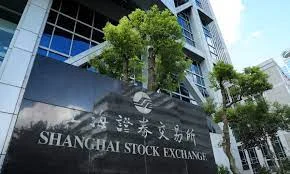
Exploring the Shanghai Stock Exchange

We’re glad you’re here to learn more about the Shanghai Stock Exchange (SSE), a crucial organization in the field of international finance. We give you with an in-depth overview of the SSE’s history, operation, important players, and its significant role in the financial landscape as subject-matter experts in the sector. Let’s explore the complex aspects that make SSE a pillar of global capital markets.

Introduction to the Shanghai Stock Exchange (SSE)

One of China’s most renowned stock exchanges, the Shanghai Stock Exchange was founded in 1990 and has a significant influence on the economic climate of the nation. Investors can trade a wide range of financial items on this exchange, such as equities, bonds, funds, and more.

Historical Evolution of SSE

Since its inception in 1990, the Shanghai Stock Exchange has grown to become one of China’s most renowned stock exchanges and has a significant impact on the economic landscape of the nation. Investors can trade a range of financial items, such as stocks, bonds, funds, and more, on this exchange, which acts as a market.

Market Segments and Indexes

The SSE has a number of market sectors, each designed to accommodate a variety of securities. The Main Board, which accommodates large-cap corporations, and the STAR Market, which was launched in 2019 and focuses on businesses that are technology and innovation-driven, are two examples of these sectors. The SSE Composite Index and the SSE 50 Index are also important benchmarks for assessing the performance of the entire market.

Listing Requirements and Regulatory Framework

Companies that want to list on the SSE must follow strict listing guidelines. These requirements cover company governance, financial viability, and regulatory compliance. The SSE’s activities are under the control of the China Securities Regulatory Commission (CSRC), which also regulates market integrity, fairness, and transparency.

Investor Participation and Trading Mechanism

Both domestic and foreign investors take an active role in the SSE. The exchange runs on a trading system that combines stock auction-style trading, letting market forces set prices. The SSE also offers a variety of order types and trading methodologies to meet diverse investment philosophies.

Market Impact and Global Significance

The SSE has an impact on international financial markets, going beyond national boundaries. The SSE acts as a barometer to measure how China’s economy is performing as it expands. SSE-listed securities are becoming more and more prevalent in the portfolios of international investors, underscoring its importance on a global scale.

Technology and Innovation in SSE

The SSE has used new technology in recent years, which has increased accessibility and efficiency. A wider range of investors have been interested in trading as a result of the transformation brought about by online trading platforms, real-time data distribution, and electronic clearing systems.

Conclusion

The Shanghai Stock Exchange is evidence of China’s transition and economic prosperity. China’s dedication to embracing modernisation and technological innovation is demonstrated by the city’s development from its beginnings into a major financial center. The SSE’s varied market divisions, strong regulatory framework, and global effect reinforce its status as a major participant in the world of international finance.

FOR MORE INFO CLICK THIS SITE:https://learningsharks.in/

FOLLOW OUR PAGE:https://www.instagram.com/learningsharks/?hl=en

How do I learn Cryptocurrency knowledge?

  • First, the Foundations: Start with comprehending the core ideas of blockchain technology, which powers the majority of cryptocurrencies. Discover the advantages offered by decentralised ledgers, cryptography, consensus processes, and more.
  • Read Online Resources: There are many blogs, articles, and websites devoted to teaching people about cryptocurrencies. The information and explanations on websites like CoinDesk, Cointelegraph, and Investopedia are invaluable.
  • Online Courses and MOOCs: Blockchain and cryptocurrency courses are available on websites like Coursera, Udemy, and Khan Academy. These programmes offer structured study and range in difficulty from beginning to advanced.
  • YouTube and podcasts: For auditory and visual learners, YouTube tutorial videos and podcasts about cryptocurrencies are excellent resources. In-depth explanations are provided on channels like “aantonop” (Andreas M. Antonopoulos).
  • Books: A number of reputable books have been written about cryptocurrency and blockchain technology. Both Michael Casey’s “Crypto” and Andreas M. Antonopoulos’ “Mastering Bitcoin” are excellent places to start.
  • Online Communities to Join: Participate in cryptocurrency networks on websites like Twitter and Reddit (r/cryptocurrency and r/bitcoin). Engaging in conversations can expose you to various viewpoints and news.
  • Keep up with the most recent events in the bitcoin industry by following industry news. Reputable industry personalities’ websites, forums, and social media accounts might offer information on current trends and breakthroughs.
  • Whitepapers: If you’re interested in technology, you might want to study the original whitepapers of well-known cryptocurrencies like Bitcoin and Ethereum. The technologies and ideas that underlie these cryptocurrencies are explained in these papers.
  • Create a wallet and experiment with tiny amounts of cryptocurrency to gain a practical understanding of how cryptocurrencies operate. You can better comprehend transactions, addresses, and security procedures thanks to this.
  • Learn about other cryptocurrencies: Bitcoin is just one example among thousands of cryptocurrencies. Examine the variations among different cryptocurrencies and the applications for them.
  • Risks & Security: Find out about the dangers of trading and investing in cryptocurrencies, as well as security precautions like using cold wallets and two-factor authentication, as well as how to avoid phishing schemes.
  • Understanding the legal and regulatory issues of cryptocurrencies in your nation is important. Regulations can have a big impact on your cryptocurrency-related activity and vary greatly.
  • Attend conferences and meetups: These gatherings give you the chance to network with industry professionals, experts, and enthusiasts.
  • Keep an open mind because cryptocurrency is a quickly developing industry with plenty of hype and false information. Always conduct a critical evaluation of the material you encounter.
  • Create a Firm Foundation: As you gain information, gradually create a firm foundation. As you gain comfort, move on to themes that are more complicated.

FOR MORE INFO CLICK THIS SITE:https://learningsharks.in/

FOLLOW OUR PAGE:https://www.instagram.com/learningsharks/?hl=en

How to Invest in the Share Market?

Stock market investment can be difficult, especially for newcomers. If you want to invest in stocks, you should be aware that there are two types of stock markets: primary share markets and secondary share markets.

Buying shares on the primary market

  • An Initial Public Offering (IPO) is a crucial way to invest in the stock market. A corporation counts the applications after receiving all investor applications for an IPO and distributes shares based on supply and demand. To invest in the primary and secondary markets, you need a Demat account with electronic copies of your shares. Additionally, you need a trading account to make online share sales and purchases possible.
  • A trader may, in unusual cases, also be permitted to apply directly from their bank account. A process called Application Supported by Blocked Amount (ASBA) makes it easier to submit IPO applications through net banking.
  • The ASBA procedure states that rather than giving the money to the company, if someone requests shares for Rs. 1 lakh, the money will be blocked into their bank account. After you receive your share allocation, the exact amount will be debited, and the leftover funds will then be made accessible. All applications submitted to IPOs must follow this procedure. Shares are supplied to traders for one week before they are listed on the stock exchange and made available for trading.

Purchasing shares on the secondary market

Secondary share market investing or trading describes the routine purchase and sale of shares or equities. There are a few quick steps to follow before you start investing in the secondary share market.

  1. Open a trading and Demat account as the first step.Here is where you should start making investments in the secondary market. Both of these accounts need to be linked to an active bank account in order for the transaction to go smoothly.
  2. Step 2: Selecting the shares.Enter your trading account and choose the desired shares to sell or buy. Ensure you have the money in your account to purchase those shares.
  3. Choose the price range in step three.Decide on a price at which you’ll buy or sell shares. Await the buyer or seller to respond to your request.
  4. Finish the transaction in step four.Depending on whether you bought or sold the stocks, you may receive payment in shares or cash after the sale closes.

Keep in mind both the duration for which you anticipate having your investments in place and the financial goals you wish to achieve with them.

The paperwork needed to create a demat/trading account

The following documents are required before you can start investing in shares:

  • On a voided check from their open bank account, PAN Card Aadhaar Card Name is displayed along with the IFSC code, account number, account holder’s name and signature.
  • documents proving the applicant’s consistent income.
  • A proof of address based on a set of papers that your broker, depository participant, or bank has accepted Passport-sized pictures of the applicant.

Points to consider before investing

  • Even while stock trading isn’t as difficult as it may seem, it is nevertheless possible to become engrossed in it without ever reaping any rewards. To prevent this outcome, keep the following in mind before investing:

Increase portfolio diversity.

  • A diverse portfolio is a good portfolio. You won’t get a steady stream of cash when an investment goes down if it comprises the majority of your portfolio. To offset the low points of one asset class, financial gurus suggest adding additional asset classes. For instance, stock is frequently countered by investments in bonds or other debt instruments.

Be aware of your investor profile.

  • Your investor profile may assist you in selecting the instruments that best match your level of risk tolerance. This makes it possible for you to confirm that the degree of risk you are accepting is suitable for your way of life.

Make an investment strategy.

  • You can avoid such problems if you establish an investment strategy that details the amount of income you intend to create from your investments and the period of time you might need to remain involved to generate that amount.

Conclusion

When making stock market investments, a few significant considerations need to be kept in mind. Determine your level of risk tolerance and diversify your portfolio, as well as organise your investments. If you need assistance selecting the right shares, organising your investments, or setting goals in line with your level of acceptable risk, get in touch with our knowledgeable traders at IIFL right immediately.

FOR MORE INFO CLICK THIS SITE:https://learningsharks.in/

FOLLOW OUR PAGE:https://www.instagram.com/learningsharks/?hl=en

Trading Strategies for Beginners

Welcome to our in-depth guide to teaching beginners trading strategies. You’ve come to the right place if you want to be successful in the fast-paced world of trading. We’ll walk you through the important concepts, tools, and techniques that will help you become a skilled and confident trader in this lengthy post. Commence now!

Recognising the Foundations of Trading

Trading is the practise of buying and selling financial instruments such as stocks, commodities, and currencies with the intention of making a profit. It’s crucial to have a solid grasp of the following fundamental concepts before joining the world of trading:

Basic Ideas:

  • Market Analysis: Before making any trades, thorough market research is essential. This involves assessing a variety of elements that affect price movements, including economic data, current events, and technical trends.
  • Risk management: Risk management is essential in trading. Decide how much money you are willing to lose on each trade and set stop-loss orders to limit potential losses.

Investigating Various Trading Techniques

There are numerous trading strategies available, each suitable for various levels of risk tolerance and market conditions. These are a few well-known instances:

  • Day Trading Strategy: During a single trading day, numerous trades are completed. Traders focus on short-term market movements in order to profit from moderate price swings.
  • Swing Trading Strategy: Swing trading covers a period of a few days to a few weeks. Traders look at price trends and patterns to identify potential entry and exit points and aim modest gains.
  • Long-Term Investing Strategy: People looking for greater stability and fewer trades may choose to consider long-term investing. This strategy involves hanging onto assets for a long time in the anticipation of future great growth.

Tools You Need to Trade Successfully

Tools for Technical Analysis:

  • Candlestick charts: These charts show price movements over a certain time period using candlestick patterns, helping traders identify trends and reversals.
  • Moving averages help traders make well-informed decisions by amplifying price information to show underlying trends.

Tools for Fundamental Analysis:

  • Economic Calendar By using this tool, traders can make tactical plans based on information about upcoming economic events that may affect the markets.
  • Newsfeeds: It’s critical to stay current on financial news. News feeds offer real-time information on events that affect the market.

Creating a Trading Plan

Your trading plan lays out your successful trading technique. Making one is done as follows:

  • Set Specific Goals: Decide on your financial goals and risk tolerance. Do you want to make short-term gains or long-term progress?
  • Select Your Trading Strategy: Based on your goals, select a trading strategy that fits your risk tolerance and time commitment.
  • Set criteria: Decide on your maximum risk tolerance for each deal as well as your profit goals. To avoid making irrational choices, abide by these rules.

Constant Improvement and Learning

The trade industry is dynamic and always changing. Make a commitment to continual education to stay ahead:

  • Stay Up to Date: To keep up with market movements, read financial news frequently.
  • Examine your previous transactions to identify trends and learn from your triumphs and failures.

FOR MORE INFO CLICK THIS SITE:https://learningsharks.in/

FOLLOW OUR PAGE:https://www.instagram.com/learningsharks/?hl=en
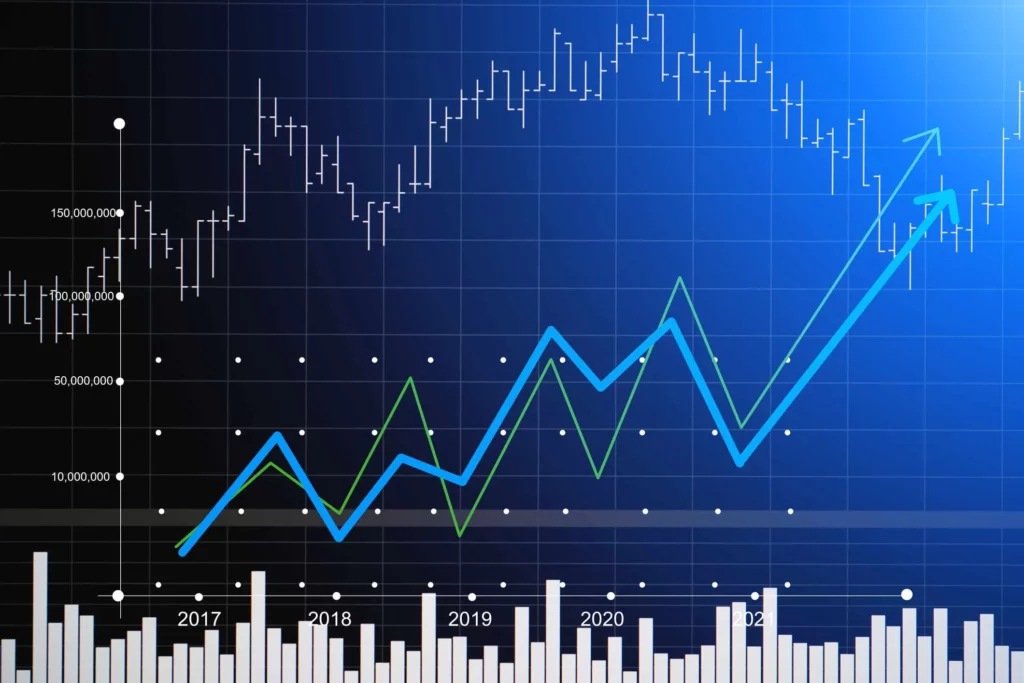
Mastering Stock Trading Terms: Your Comprehensive Guide

  1. Common Stock Trading Terms
  2. Technical Analysis Demystified
  3. Fundamental Analysis Unveiled
  4. Risk Management Strategies
  5. Chart Patterns and Trends
  6. Diving into Day Trading
  7. Options and Derivatives Simplified
A growth stock is any share in a company that is anticipated to grow at a rate significantly above the average growth for the market.

Common Stock Trading Terms

Bull and Bear Markets

Bull markets and bear markets are the two main market scenarios that affect the stock market. A protracted period of rising stock prices, optimism, and investor confidence is known as a bull market. A bear market, on the other hand, denotes a steady decrease in stock values, frequently accompanied by gloom and market uncertainty.

Market Capitalization

The value of all outstanding shares of stock is known as a company’s market capitalisation, or market cap. It is computed by dividing the share count by the stock’s current market price. This indicator aids in classifying businesses into large-cap, mid-cap, and small-cap categories.

Dividends

Dividends are sums of money given to shareholders from a company’s profits. They may be distributed as cash or additional equity shares. An investor’s annual dividend income is stated as a percentage of the stock’s current market price and is known as dividend yield.

Technical Analysis Demystified

Moving Averages

Technical analysts need moving averages as one of their primary tools. By generating an average price that is continually updated, they level out price data. For example, the 50-day moving average is helpful for gaining short-term insights while the 200-day moving average is useful for identifying long-term patterns.

Relative Strength Index (RSI)

The momentum oscillator known as the RSI gauges how quickly and dramatically prices move. Its value, which runs from 0 to 100, is used to determine whether a stock is overbought or oversold, assisting traders in making probable reversal forecasts.

Candlestick Patterns

Aesthetically pleasing candlestick charts show price changes. Doji, Hammer, and Shooting Star patterns provide information on potential trend reversals, assisting traders in making informed choices.

Fundamental Analysis Unveiled

Earnings Per Share (EPS)

Net income divided by the number of shares outstanding is called EPS. It is a fundamental indicator of profitability that shows earnings per share. A company’s financial health can be determined by comparing its EPS to that of its rivals.

Price-Earnings (P/E) Ratio

The P/E ratio assesses the current share price of a firm in relation to its EPS. It aids investors in determining if a stock is expensive or cheap in relation to its earnings potential.

Book Value

A company’s net worth is represented by its book value, which is determined by deducting liabilities from assets. The market price of a stock may be a hint that it is undervalued if it is much less than its book value.

Risk Management Strategies

Diversification

Spreading your investments across various asset classes helps to reduce risk and diversify your financial portfolio. A weak performance in one sector won’t have a substantial effect on your portfolio as a whole thanks to this method.

Stop-Loss Orders

An investor issues a stop-loss order, which specifies a price at which they want their broker to sell a certain stock. It is a risk management instrument that aids in reducing possible losses in the event that the stock price changes contrary to the investor’s position.

Chart Patterns and Trends

Head and Shoulders Pattern

A solid trend reversal signal is the head and shoulders pattern. It consists of three peaks: a head that is higher than the shoulders and two shoulders that are lower. This pattern indicates a change in trend from bullish to bearish.

Support and Resistance Levels

A price level known as support is when a stock frequently stops declining and occasionally even recovers. On the other side, resistance is a price point where a stock frequently stops increasing. Understanding these levels helps traders decide when to enter and exit a trade.

Diving into Day Trading

Day Trading Strategies

Day trading entails placing trades during the same trading day with the goal of making money off of swift price changes. Day traders frequently use techniques including scalping, momentum trading, and contrarian trading.

Pattern Day Trader (PDT) Rule

According to the PDT regulation, which is enforced by the U.S. SEC, traders with less than $25,000 in their accounts are only permitted a maximum of three day trades each rolling five-day period.

Options and Derivatives Simplified

Call and Put Options

The right to purchase a stock at a predetermined price (strike price) within a given timeframe is provided by call options to the holder. The right to sell a stock at the strike price is provided by put options.

Futures Contracts

Contracts for the purchase or sale of assets at a specified price on a specific future date are known as futures contracts. They are frequently employed in commodities trading and are tools for risk management.

FOR MORE INFO CLICK THIS SITE:https://learningsharks.in/

FOLLOW OUR PAGE:https:https://www.instagram.com/learningsharks/?hl=en

Understanding Options: A Comprehensive Guide

Table of Contents

  • Introduction to Options
  • Types of Options
    • Call Options
    • Put Options
  • Key Components of an Option Contract
    • Strike Price
    • Expiration Date
    • Underlying Asset
    • Premium
  • Intrinsic Value and Time Value
  • The Role of Options in Risk Management
  • Option Valuation Methods
    • Black-Scholes Model
    • Binomial Model
  • Comparing Options with Other Investments
    • Stocks
    • Bonds
    • Futures
  • Developing a Successful Options Trading Strategy
  • Common Mistakes to Avoid in Options Trading
  • Conclusion
The scrip has an average target price of Rs 133, Trendlyne data showed, suggesting a potential downside of 16 per cent. It has a one-year beta of 0.83, indicating low volatility on the counter.

Introduction to Options

Options are flexible financial derivatives that give buyers and sellers of underlying assets the right, but not the responsibility, to do so at a predetermined price and within a predetermined window of time. They are frequently used to speculate on price movements or to protect against future market swings.

Types of Options

Call Options

Options are flexible financial derivatives that give buyers and sellers of underlying assets the right, but not the responsibility, to do so at a predetermined price and within a predetermined window of time. They are frequently used to speculate on price movements or to protect against future market swings.

Put Options

A put option, on the other hand, grants the holder the ability to sell the underlying asset at a predetermined price before the option expires. When an investor believes the price of the underlying asset will fall, they frequently use put options.

Key Components of an Option Contract

To trade options effectively, it is essential to comprehend the essential elements of an option contract:

Strike Price

The price at which the underlying asset may be purchased or sold when the option is exercised is known as the striking price or exercise price.

Expiration Date

The expiration date designates the time when the option contract expires and is no longer valid. This date must be observed because the option must be exercised before it.

Underlying Asset

An underlying asset, such as stocks, commodities, indexes, or currencies, is what links options to a specific asset. Changes in the underlying asset’s price have an impact on the option’s value.

Premium

The premium is the deposit made to the option seller by the option buyer. It is the price of buying the option, and it can change depending on things like the volatility of the underlying asset and how long before expiration.

Intrinsic Value and Time Value

Intrinsic value and temporal value are the two main factors that determine an option’s value. The difference between the underlying asset’s current price and, if advantageous, the option’s strike price is the intrinsic value. On the other hand, time value reflects the possibility that the option will increase in intrinsic value before expiration.

The Role of Options in Risk Management

Options provide a special benefit in risk management techniques. They serve as protection against unfavorable price changes and can be utilized to lessen potential losses. Options allow investors to establish hedge positions that reduce downside risk while maintaining gain potential.

Option Valuation Methods

Black-Scholes Model

A popular method for valuing European-style options is the Black-Scholes Model. It takes into account variables such the cost of the underlying asset, the option’s strike price, the remaining time before expiration, the implied volatility, and the rate of interest at which risk is assumed to be minimal.

Binomial Model

The Binomial Model is a more adaptable strategy that may be used with a wider selection of possibilities. It divides the option’s life duration into several periods and evaluates the probable price changes of the asset at each one.

Comparing Options with Other Investments

Stocks

Options investment offers more flexibility and risk control than investing only in stocks. While stock investments depend on price appreciation for returns, options allow investors to profit from both rising and falling markets.

Bonds

In a portfolio, bonds and options have different functions. Options can provide larger returns and more flexible investing methods than bonds, which are often thought of as lower-risk assets that provide stable income.

Futures

Traders are required under futures contracts to purchase or sell an item at a fixed price on a particular date. On the other hand, options give the option but not the requirement to complete the trade.

Developing a Successful Options Trading Strategy

Thorough study and a firm grasp of market patterns are required when developing a successful options trading strategy. It’s critical to establish your risk tolerance, select the proper option types, and take various hedging strategies into account.

Common Mistakes to Avoid in Options Trading

Common mistakes made by novice investors include underestimating the importance of time decay, overleveraging, and failing to comprehend the subtleties of some options strategies. These errors can be prevented with careful decision-making and diligent instruction.

Conclusion

Options are potent financial tools that can improve the diversity and risk-management capabilities of your investment portfolio. You will be able to successfully traverse the financial world and make well-informed judgments if you comprehend the nuances of options, their valuation, and their function in relation to other investments.

FOR MORE INFO CLICK THIS SITE:https://learningsharks.in/

FOLLOW OUR PAGE:https:https://www.instagram.com/learningsharks/?hl=en