
Learning sharks-Share Market Institute


Rajouri Garden  8595071711 7982037049  Noida 8920210950 , and  Paschim Vihar  7827445731  

Fee revision notice effective 1st April 2025; No change for students enrolled before 15th May 2025

Download “Key features of Budget 2024-2025here

Understanding High-Frequency Trading

High-Frequency Trading (HFT) has become a significant and contentious phenomenon in the world of modern finance. In-depth analysis of high-frequency trading’s mechanics, benefits, and potential downsides are provided in this article.

Introduction to High-Frequency Trading

High-Frequency Trading, or HFT for short, is a cutting-edge trading method that uses sophisticated algorithms and extremely quick technology to carry out a lot of trades in a short period of time. With this strategy, traders can profit from these quick and exact transactions by taking advantage of tiny price differences across various financial products.

The Mechanism Behind HFT

Speed, accuracy, and automation are the basis of HFT systems. These algorithms are able to process vast amounts of data in real-time and decide whether to purchase or sell based on predetermined criteria in a fraction of a second. Within microseconds, market data, including price quotations and order book details, are evaluated to spot transient arbitrage opportunities.

Algorithmic Complexity

The core of HFT tactics are complex algorithms. These algorithms combine statistical models, pattern recognition methods, and analysis of previous data. These algorithms give traders the ability to accurately forecast short-term price moves by quickly analyzing market conditions and spotting trends.

Low Latency Infrastructure

HFT firms make significant investments in low latency infrastructure to reach the requisite speed. This includes proximity hosting, which minimizes data transmission delays by placing trading servers as close as possible to exchange servers. The use of fiber-optic cables and state-of-the-art networking hardware ensures quick data transfer between trading hubs.

Advantages of High-Frequency Trading

Efficient Price Discovery

High-frequency trading is essential for improving market effectiveness. HFT firms help to reduce bid-ask spreads and make sure that asset prices appropriately represent supply and demand dynamics by executing a substantial volume of trades.

Liquidity Provision

HFT companies serve as liquidity providers by providing the option to buy or sell assets at any moment. By guaranteeing that there are always ready buyers and sellers, even during periods of market instability, this liquidity supply benefits other market participants.

Arbitrage Opportunities

HFT systems’ speed advantage enables traders to spot and take advantage of arbitrage opportunities that may last just a fraction of a second. These chances present themselves when the same asset is valued differently on various exchanges or markets.

Potential Concerns and Criticisms

Market Instability

HFT’s lightning-fast trading, according to its detractors, can contribute to market instability, particularly during periods of high volatility. Trading algorithms that execute quickly might amplify price volatility and potentially cause cascading market sell-offs.

Unequal Playing Field

Detractors also raise the possibility that HFT is unfair because companies close to exchanges and with better technology have a huge competitive advantage over other market participants. This disparity can make it harder for businesses to compete fairly.

Regulatory Challenges

For regulators, the dynamic nature of HFT presents difficulties. Maintaining fairness while allowing for technology developments is still a difficult undertaking. Regulators work to achieve a balance between fostering innovation and upholding the integrity of the market.

Conclusion

High-Frequency Trading is a prime example of how technology may reshape the trading landscape in the world of finance. HFT companies have completely changed how quickly and effectively financial markets operate by utilizing cutting-edge technology and lightning-fast algorithms. The technique is under investigation, though, because it has the potential to magnify market instability and create an unfair playing field. The function of high-frequency trading is still a hotly contested issue as the financial markets develop.

FOR MORE INFO CLICK THIS SITE:https://learningsharks.in/

FOLLOW OUR PAGE:https:https://www.instagram.com/learningsharks/?hl=en

Mastering Different Types of Stock Market Trading Strategies

In the world of finance, the stock market is a vibrant venue where investors exchange stocks in an effort to make big profits. One needs a thorough understanding of the numerous stock market trading methods if they want to succeed in this field. In this thorough book, we’ll explore the four main categories of stock market trading methods so you have the information you need to make wise financial choices.

1. Day Trading: Seizing Opportunities Within a Day

A strategy known as day trading entails placing trades throughout a single trading day. With this strategy, traders must closely monitor the market and act quickly to profit from transient price changes. In order to find patterns and trends, day traders frequently use technical analysis. This enables them to buy low and sell high in a matter of hours, if not minutes. This strategy necessitates a thorough understanding of indicators, chart patterns, and risk management strategies.

2. Swing Trading: Profiting from Short-to-Medium-Term Trends

Capturing price “swings” or fluctuations within a trend is the central focus of swing trading. Swing traders, in contrast to day traders, hold positions for a number of days or even weeks in an effort to profit from short- to medium-term price changes. To find possible possibilities, this technique uses both fundamental and technical analysis. Traders frequently look for stocks with high growth potential and utilize indicators to determine the best times to enter and exit positions.

3. Position Trading: Riding Long-Term Trends

Position holding over weeks, months, or even years is part of the longer-term strategy of position trading. This strategy takes advantage of significant market trends and enables traders to profit from significant price changes. In-depth fundamental analysis is used by position traders to find assets with promising growth potential. For successful position trading, patience and a thorough understanding of macroeconomic issues are paramount.

4. Scalping: Profiting from Small Price Changes

In order to build up gains over time, the high-frequency trading approach known as “scalping” focuses on making several little trades. Scalpers seek to gain fractions of a point by taking advantage of small price movements. This technique necessitates extremely quick execution, superior analytical abilities, and a trustworthy trading platform. Scalpers frequently make split-second decisions using Level II quotations, timing, and sales data.

Key Considerations for Successful Stock Market Trading

Regardless of the approach you pick, the following guidelines are always applicable for profitable stock market trading:

In-Depth Research and Analysis

Successful trading is built on thorough study. To make wise selections, consider the financials of the organization, market trends, and macroeconomic variables.

Risk Management

To preserve your cash, put effective risk management tactics into practice. Place stop-loss orders, diversify your holdings, and refrain from making larger investments than you can afford to lose.

Continuous Learning

The stock market is always changing. To adapt and succeed, keep up with the most recent trading strategies, market news, and technical developments.

Emotional Discipline

Judgment can be affected by emotions. Establish a disciplined approach by adhering to your trading strategy and avoiding snap judgments motivated by greed or fear.

Conclusion

In conclusion, developing a variety of stock market trading methods is essential for becoming successful in the financial industry. Each technique accommodates various levels of risk tolerance, time constraints, and analytical rigor. You can adjust your trading strategy to suit your objectives and tastes by comprehending the subtle differences between day trading, swing trading, position trading, and scalping. Remember that a strong foundation of knowledge, careful planning, and methodical execution are the keys to sustained success.

FOR MORE INFO CLICK THIS SITE:https://learningsharks.in/

FOLLOW OUR PAGE:https:https://www.instagram.com/learningsharks/?hl=en

Mastering Scalping: Profiting from Precision in Trading

Scalping is a trading strategy that has become extremely popular in the fast-paced world of trading due to its capacity to profit from transient market swings. This method of trading, which is frequently seen as an art form, entails making quick and accurate decisions in order to capitalize on even the tiniest price movements. In this thorough explanation, we examine the nuances of scalping, dissect its methods, and consider both its advantages and disadvantages.

Understanding Scalping

Scalping is a specialized trading strategy designed to generate quick profits from minute price changes. Scalpers operate on a considerably shorter timeline, often even only a few seconds, in contrast to typical tactics that may concentrate on long-term trends. This strategy necessitates both a thorough comprehension of market dynamics and a good sense of timing and execution.

The Anatomy of a Scalper

Successful scalpers wait patiently for the right opportunity to strike, much like expert hunters. Their main goal is to quickly and several times capture the bid-ask spread. Scalpers frequently use cutting-edge trading tools and platforms that provide real-time data feeds and blazingly rapid execution rates to do this.

The Scalping Arsenal: Tools and Techniques

  1. Level II Quotes: Level II quotations, which offer a glance into market orders and order sizes, are frequently used by scalpers. This data makes it easier to predict future price moves before they show up on charts.
  2. Technical Indicators: Others scalpers use technical indicators like Moving Averages, Bollinger Bands, and Relative Strength Index (RSI) to determine entry and exit locations, while some scalpers prefer raw price data.
  3. Time and Sales Data: Scalpers need real-time information on completed deals, or “time and sales data,” in order to assess market momentum and make split-second judgments.
  4. Limit and Stop Orders: In order to efficiently manage risk, scalpers frequently use limit and stop orders. These orders automate taking a trade or closing one at a specified price level.

The Scalping Ritual: Executing a Trade

  1. Selecting the Right Market: In order to maximize their potential earnings, scalpers frequently favor markets with high liquidity and small spreads. Forex, equities, and cryptocurrencies are common options.
  2. Choosing the Right Timeframe: Scalping thrives on speed, thus traders usually work on charts that are updated every one, three, or five minutes.
  3. Identifying Entry and Exit Points: Scalpers find the best times to quickly join and exit trades by combining real-time data analysis with technical indicators.

The Pros and Cons of Scalping

Pros:

  • High Profit Potential: Scalping’s frequent transactions can result in significant profits over time when done effectively.
  • Quick Returns: Scalping is a strategy that offers quick feedback because scalpers frequently see the results of their trades within minutes.
  • Emotion Management: Scalping is a fast-paced trading style where judgments are made based on established criteria, which allows minimal opportunity for emotional trading.

Cons:

  • Time-Consuming: Scalping requires quick decision-making and persistent focus, which can be mentally taxing.
  • Transaction Costs: The spreads and charges associated with more frequent trades may result in greater transaction expenses.
  • Market Noise: If not properly examined, short-term price swings can frequently be deceiving and result in serious losses.

Incorporating Scalping into Your Strategy

As with any trading strategy, mastering scalping calls for commitment, repetition, and ongoing education. To perfect their skills without putting real money at risk, beginning traders may think about using a demo account. It’s crucial to keep in mind that even while scalping can be extremely lucrative, there is a significant risk involved. Therefore, risk management need to be the top concern for anyone thinking about using this tactic.

Conclusion

Scalping is a distinctive method of trading that appeals to those looking for frequent and substantial gains due to its emphasis on accuracy and speed. Its strategies call for an in-depth comprehension of market behavior, skillful execution, and a strategic attitude. Scalpers can negotiate the difficulties of this approach and possibly succeed in the realm of brisk trading by utilizing the appropriate instruments, gaining a sharp sense of market dynamics, and upholding strict discipline.

FOR MORE INFO CLICK THIS SITE:https://learningsharks.in/

FOLLOW OUR PAGE:https:https://www.instagram.com/learningsharks/?hl=en

Stock Market Tips

Learning sharks stock market Institute

Understanding the Stock Market

Understanding the foundations of the stock market is essential before diving into strategies. The stock market is fundamentally a marketplace for the purchase and sale of shares of publicly traded companies. Investors can take part via a number of exchanges, including the NASDAQ and NYSE. Stocks are a type of ownership in a company, and their value is subject to change in response to various factors such as economic indicators, market trends, and company performance.

1. Conduct Thorough Research

When it comes to stock market investing, information really is power. It’s crucial to thoroughly investigate possible companies before making a financial commitment. Examine their financial statements, comprehend their business strategies, and determine how they have a competitive edge. By taking this step, you can reduce risks and make well-informed decisions.

2. Diversification: Don’t Put All Eggs in One Basket

Investing in a diversified portfolio is essential for success in the stock market. Risks can be reduced by distributing your investments among several asset classes and industries. Gains in other areas can offset potential losses, so market fluctuations in one sector won’t result in a total loss.

3. Stay Abreast of Market Trends

Numerous factors, such as news about individual companies, economic indicators, and world events, have an impact on the stock market. Keeping abreast of these developments can offer you a competitive advantage. Use trustworthy platforms for market analysis and financial news to keep tabs on events that could affect your investments.

4. Long-Term Perspective Wins

Although trading in the short term can be profitable, long-term thinking typically produces returns that are more consistent. Perfectly timing the market is difficult, even for professionals. Investing for the long term allows you to take advantage of compounding to your advantage and weather market fluctuations.

5. Risk Management is Non-Negotiable

With the stock market, there is always a risk and a reward. Determine your level of risk tolerance before making an investment. Steer clear of investing more than you can afford to lose, and think about limiting potential losses with tools like stop-loss orders.

6. Leverage Technological Tools

Technology tools can greatly improve your stock market endeavors in the digital age we live in. Make use of financial apps, analytical software, and stock trading platforms to expedite your research and carry out trades effectively.

7. Seek Professional Guidance

To gain valuable insights, consulting with a financial advisor or investment professional can be beneficial if you’re new to the stock market or feeling overwhelmed. They can assist in customizing plans to your risk tolerance and financial objectives.

8. Patience and Discipline Pay Off

Success in the stock market takes time. Key virtues are discipline and patience. Even in the face of market volatility, stay true to your investment plan and refrain from acting on impulse or emotion.

9. Learn from Mistakes

Making mistakes in the stock market is unavoidable. Consider them as teaching opportunities rather than things to ponder over. Examine what went wrong, modify your approach, and proceed with the knowledge you have gained.

10. Continuous Learning is Essential

Because the stock market is constantly changing, staying ahead of the curve demands ongoing education. Take advantage of educational resources, go to seminars, and study credible financial literature to increase your understanding and sharpen your tactics.

FOR MORE INFO CLICK THIS SITE:https://learningsharks.in/

FOLLOW OUR PAGE:https:https://www.instagram.com/learningsharks/?hl=en

Understanding the Role of a Broker in Financial Markets

A key actor appears in the complex world of financial markets: the broker. Essentially, a broker acts as a middleman, ensuring smooth transactions between sellers and buyers. We explore the types, responsibilities, and essential roles that brokers play in different financial sectors as we delve into the essence of their role in this extensive guide.

1. What is a Broker?

A broker is a qualified individual or an organization that serves as a middleman between investors looking to purchase or sell securities on the financial markets. The role of the intermediary is crucial as it guarantees the seamless execution of transactions while complying with market regulations and protocols.

Brokers can work in a variety of financial markets, such as commodities, foreign exchange, stock markets, and real estate. Their proficiency is in comprehending the workings of the market, offering their clients insightful advice, and carrying out orders quickly.

2. The Types of Brokers: Navigating Through Diversity

Brokers can take many different forms, each serving a particular market niche. Let’s examine a few of the important kinds:

2.1 Stock Brokers

Within the stock market, stock brokers are a significant player. In stock exchanges, they make the buying and selling of shares easier. Discount brokers offer a more economical method with less advice, whereas full-service stock brokers offer individualized help and advice.

2.2 Real Estate Brokers

In real estate transactions, real estate brokers serve as middlemen. They facilitate the negotiating process and link buyers and sellers. Their understanding of the real estate market is crucial to ensuring that the goals of both sides are achieved.

2.3 Forex Brokers

Trading in the foreign exchange market is made possible for both individuals and institutions by forex brokers. They give users access to currency pairs and trading platforms. Both inexperienced traders and seasoned investors can benefit from the wide variety of trading accounts they provide.

2.4 Commodity Brokers

Brokers that specialize in commodities are those who help with transactions involving raw materials and commodities, including gold, oil, and other agricultural products. They provide information on commodity market trends and help with price volatility hedging.

3. The Broker’s Role: A Multifaceted Approach

A broker’s responsibilities go beyond just completing transactions. They provide a range of services that help investors and traders succeed, including:

3.1 Market Analysis and Insights

Reputable brokers provide clients with timely and accurate market analysis by keeping a close eye on the market. This gives investors the ability to navigate market volatility and make well-informed decisions.

3.2 Order Execution

It’s critical to execute orders efficiently. Brokers make sure that orders to buy and sell are filled quickly and at the best prices. This calls for smooth communication and collaboration with different market players.

3.3 Investment Advice

Full-service brokers provide tailored investment guidance according to each client’s risk tolerance and financial objectives. This advice helps investors create diversified portfolios that are in line with their goals.

3.4 Regulatory Compliance

Brokers are in charge of following strict regulatory requirements. This covers making sure fair trading practices are followed, as well as Know Your Customer (KYC) protocols and anti-money laundering measures.

4. Selecting the Right Broker: Considerations to Keep in Mind

Selecting the appropriate broker is a crucial choice that can have a big influence on your financial path. These are important factors to take into account when choosing a broker:

4.1 Reputation and Reliability

Examine the broker’s track record, number of years in business, and customer testimonials. When entrusting someone with your financial transactions, reliability is crucial.

4.2 Range of Services

Examine the broker’s services that it offers. Think about how well they fit your trading style and financial objectives.

4.3 Fees and Commissions

Recognize the pricing schedule. Select a broker who provides a clear and affordable fee structure as different brokers have different fee structures.

4.4 Technology and Tools

In the era of digitalization, technology is essential to trading. Select brokers who offer research tools, educational materials, and user-friendly trading platforms.

Conclusion

In the dynamic realm of financial markets, brokers stand as pillars of support, facilitating transactions, providing insights, and offering guidance. Whether you’re a seasoned trader or a novice investor, partnering with the right broker can amplify your potential for success. As you embark on your financial journey, remember that a knowledgeable and reliable broker can be your most valuable asset.

FOR MORE INFO CLICK THIS SITE:https://learningsharks.in/

FOLLOW OUR PAGE:https:https://www.instagram.com/learningsharks/?hl=en

Is investing in the stock market worth it?

“YES” is the simple answered. However, you have to understand that investing in the stock market is a marathon, not a sprint. Investing for the long term will always yield higher returns than investing for the short term. Buy and Hold investment strategies work too well for blue-chip companies experiencing rapid earnings growth. In these kinds of businesses, it’s easy to see how compounding works.

If you are familiar with the stock market, you can find companies that will outperform the index in terms of return quickly that are both technically and fundamentally sound. You can become richer and more wealthy through the stock market. Many others have lost money in the stock market, while still others have amassed sizable fortunes for themselves.

Rich people have to be patient, which means they have to invest consistently over a long period of time. In the stock market, impatient people cannot succeed. Buying stocks could lead to the development of a second source of income. Even if you work somewhere else in the world, you can still be an investor.

The best thing about stock investing is that it’s based on the principle of compound interest. A market outsider produces less wealth than a long-term participant. When you are going through a challenging period in your life, dividend stocks help.

Why Invest in Stock Market?

The stock market is a vital part of the Indian economy. It provides investors with the opportunity to profit from changes in stock prices. It’s an amazing chance to explore various businesses in a safe environment. You will be able to make money if you can sell your shares for more than you originally paid for them.

There are many different motivations for stock market investing. Some believe that the stock market will always rise, so they would like to invest some of their money in it. For some, the idea of investing and making money without worrying about stocks is all that matters.

Regardless of your reason, investing in the stock market is a great way to make extra money and put your money to work. You can begin investing in stocks with mutual funds such as debt funds, multi-cap funds, and index funds if you are new to the stock market and have some knowledge of it. But, if you’ve been investing in stocks for years, you can create your own portfolio by doing extensive research.

Key takeaways: 

  • A shareholder in a company is investing in its future; as such, they are contributing both capital and labor to the enterprise with the expectation of a profit.
  • When you own shares in a company, you own a part of its ownership.
  • It is reasonable to anticipate significant long-term profits from stock market investments.

Benefits of Investing in Stocks

Over time, a great deal of experienced and inexperienced investors have profited greatly from stock market strategy.
But before buying stocks or going into the stock market, everyone pauses because some investors’ success formulas didn’t work at all.


When an investor makes the right decisions, their chances of making money from their investments are increased.

Ultimately, the stock market is highly unpredictable. But there are a lot of important benefits to stock investing over other types of investments.

  • Smooth and Continuous Transactions

Purchasing stock in a company means that an investor is essentially obtaining a portion of that enterprise. Consequently, once stocks are purchased, the investors will feel a sense of ownership.

They are entitled to shareholder status and a major say in business decisions because they are the owners. Investors will also be able to influence corporate decisions.


They also receive annual learning reports that give them comprehensive details about the company. Investors can demonstrate their support for a company and its overall success by acquiring stock in it.

  • Diversification

When investors allocate their hard-earned money across multiple investment types, they stand to gain greatly from the diversification provided by stock market investments.


Investments in the stock market fluctuate in value separately from other assets like bonds and real estate.

If an investor holds stocks for a longer period of time, they will be better equipped to anticipate losses on other investment items. By incorporating stocks into a portfolio, investors can avoid excessively conservative investment strategies by taking on more risk and making notable gains fast.

  • Dividend Benefits

A dividend is a sum of money paid by a company to its shareholders. Put simply, it’s an annual revenue increase that all businesses give to investors.


Regardless of whether the stock has decreased in value or the shares still show a profit, dividend payments will still be made.

A shareholder’s portfolio can grow over time by adding to it or by using dividend income to pay for other investments.

  • Investment Gains

One of the key benefits of stock market investing is the potential to increase income. If the value of the stock market rises over time, the value of a particular stock may rise or fall.

Nonetheless, investors in stable companies will see a rise in earnings. In a similar vein, investing in a diverse range of stocks would allow investors to leverage profitable sector-specific growth to augment their wealth.

  • Liquidity

Liquid assets are typically defined as stocks because they can be easily converted into cash that is available to multiple buyers at any given time.


Certain assets, like real estate, are harder to find a buyer for than other types of assets.

But when it comes to stocks, it’s a lot easier because of the large average daily volume of transactions on the NSE and BSE. It means that a lot of buyers and sellers are monitoring a specific stock.

  • Higher Returns over the Short Term

The largest and most significant advantage of investing in stocks is its potential for high returns in a short period of time, which sets it apart from other investment options such as bank FDs.

  • They are well protected by SEBI

The stock market in India is governed by the Stock Exchange Board of India (SEBI). Protecting the interests of all investors and supervising the growth of stock exchanges are the responsibilities of the Security Board Exchange of India (SEBI).

When investing in a range of financial instruments on the stock market, an investor’s interests are protected by a regulatory framework set by SEBI.
This helps them reduce the risks associated with different corporate fraud schemes.

  • Flexibility To Invest in Smaller Amounts

Initially, when an investor chooses to invest in the stock market, they may purchase stocks in smaller denominations from small- or mid-cap companies.

The ability to choose what to buy and not be tied to a set monthly investment is another important advantage of directly investing in stocks.

  • It Allows You To Take Advantage Of The Growing Economy

Economic expansion is generally accompanied by an increase in corporate profits. This is usually the result of several factors, including an increase in the creation of jobs, which boosts sales and income.


As a result, an investor who buys shares in businesses whose expansion is fueled by the economy contributes to their improvement.

  • Easy Process of Buying and Selling

On the stock market, buying and selling stocks is easy and accessible to all investors. Purchases of stocks can be done online, through a broker, or via a financial counselor.
It only takes a few minutes to register for an account and start trading. Online stock trading is simple, and the profits are transferred right away to the trader’s bank account.

FOR MORE INFO CLICK THIS SITE:https://learningsharks.in/

FOLLOW OUR PAGE:https:https://www.instagram.com/learningsharks/?hl=en
Understanding Floating Exchange Rates

A system of currency valuation with floating exchange rates is one in which supply and demand, as well as other market forces, control the exchange rate. Unlike fixed exchange rates established by central banks, floating exchange rates are flexible and subject to alter depending on a range of economic factors. These rates are quite dynamic and sensitive to changes in the worldwide market because they might change on a daily basis.

Advantages of Floating Exchange Rates

  • Market Efficiency: By enabling currencies to accurately reflect their supply and demand values, floating exchange rates increase market efficiency. Its flexibility keeps trade imbalances from building up and allows for automatic reactions to economic shocks.
  • Monetary autonomy: The ability to control monetary policy is higher in nations with floating exchange rates. Central banks have the ability to affect domestic economic conditions like inflation and unemployment through the use of interest rates and other monetary tools, unrestricted by fixed exchange rate regimes.
  • Trade Balance Adjustments: A nation’s trade balance can be more easily adjusted when exchange rates are floating. A nation’s exports become more competitive when its currency depreciates, which may increase economic growth and reduce trade deficits.

Factors Affecting Floating Exchange Rates

There are several reasons why floating exchange rates fluctuate. Businesses and investors involved in international trade must comprehend these factors. Let’s examine the key variables affecting floating exchange rates:

1. Economic Performance

The strength of a nation’s currency is largely dependent on its economic performance. The general state of the economy is influenced by a number of variables, including employment levels, interest rates, GDP growth, and inflation rates. A stronger currency is typically the outcome of positive economic performance, while a declining currency can be caused by negative economic indicators.

2. Interest Rates

Currency values are significantly influenced by interest rates. Foreign investors seeking greater returns on their investments are typically drawn to higher interest rates. Therefore, a currency’s value may increase in response to increased demand. Conversely, lower interest rates could deter foreign investors, which would lower the value of the currency.

3. Inflation Rates

Inflation is a significant additional factor affecting floating exchange rates. Strong inflation reduces a currency’s buying power, which results in its depreciation. Conversely, low rates of inflation can increase a currency’s value.

4. Political Stability

The volatility of exchange rates can be significantly impacted by both geopolitical events and political stability. Currency depreciation can result from investor confidence being undermined by uncertainty or instability. Conversely, stable political climates can draw in foreign capital, which will strengthen the currency.

5. Balance of Trade

A nation’s trade balance, which measures its exports relative to its imports, affects floating exchange rates. A nation’s currency appreciates in value when there is a sustained trade surplus—a state in which exports exceed imports. Conversely, a trade deficit may result in a decline in the value of the currency.

How Floating Exchange Rates Work in Practice

Let’s look at a hypothetical situation involving two countries, Alpha and Beta, and their respective currencies, the Alpha Dollar (AD) and the Beta Euro (BE), to demonstrate the workings of floating exchange rates.

Assuming the exchange rate is initially 1 AD = 2 BE:

  • Should Alpha witness robust economic expansion and heightened consumer interest in its products and services, the AD will become more in demand. Consequently, there could be variations in the exchange rate between 1 AD and 2.5 BE.
  • Conversely, demand for the BE might decline if Beta experiences economic challenges like significant inflation or political instability. This might lead to a decline in the value of the BE relative to the AD, with an exchange rate of 1 AD = 2.2 BE.

Under a floating exchange rate regime, market forces, economic indicators, and investor sentiment constantly interact to determine the constantly fluctuating exchange rates.

Managing Risks in Floating Exchange Rates

Although floating exchange rates have advantages, companies and investors engaged in global trade face risks. The following are some methods for successfully controlling these risks:

1. Hedging

Using financial instruments like futures contracts or options to guard against unfavorable currency fluctuations is known as hedging. Businesses that lock in a particular exchange rate can reduce the risk of suffering losses due to currency fluctuations.

2. Diversification

Reducing exposure to fluctuations in a single currency can be achieved by diversifying business operations across several nations. Businesses that distribute their operations and investments across several economies can lessen the impact of unfavorable fluctuations in exchange rates.

3. Monitoring Economic Indicators

Important economic indicators that can shed light on possible changes in exchange rates include GDP growth, inflation rates, and interest rates. Businesses and investors can make well-informed decisions based on expected market conditions by regularly monitoring these indicators.

Conclusion

This extensive guide has covered the intricacies of floating exchange rates. We discussed their advantages, including trade balance adjustments, monetary autonomy, and market efficiency. We also underlined the elements—economic performance, interest rates, inflation rates, political stability, and trade balance—that affect floating exchange rates.

Comprehending fluctuating currency rates is imperative for enterprises and financiers conducting international transactions. If you keep up with economic indicators, manage risks with hedging and diversification, and adjust to shifting market conditions, you can confidently traverse the complexities of floating exchange rates.

FOR MORE INFO CLICK THIS SITE:https://learningsharks.in/

FOLLOW OUR PAGE:https://www.instagram.com/learningsharks/?hl=en

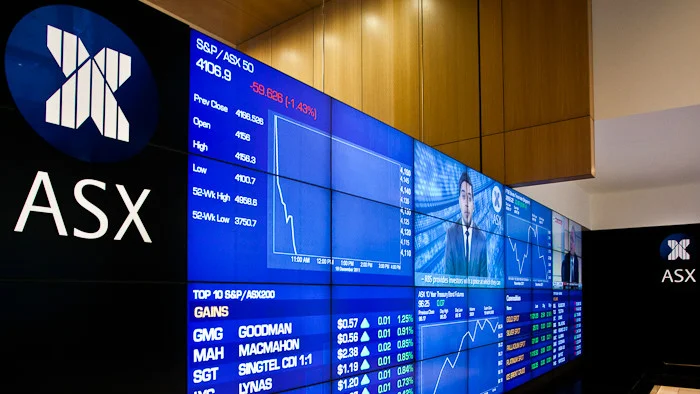
Understanding the Australian Securities Exchange (ASX)

ASX is consistently ranked among the top exchanges globally
Australian securities exchange

Introduction

Here is where you can get a detailed analysis of the Australian Securities Exchange (ASX). As the leading authority on finance and investing in the industry, we are dedicated to giving you the most meaningful and accurate information about the ASX. This article will discuss the history, operations, structure, and range of investment opportunities offered by the ASX. You will have a solid understanding of the ASX and its operation by the end.

What is the Australian Securities Exchange (ASX)?

The main securities exchange in the nation is called the Australian Securities Exchange, or ASX. It is one of the biggest and most significant financial markets in the Asia-Pacific area. Established in 1987, the Australian Stock Exchange (ASX) plays a pivotal role in enabling the trading of a wide range of financial products, including derivatives, fixed-income securities, and equities.

History of the ASX

The Australian Stock Exchange (ASX) was founded in the early 1700s. Established in 1871, it was formerly known as the Sydney Stock Exchange. Over time, the Sydney Stock Exchange amalgamated with a number of other regional stock exchanges, giving rise to the Australian Stock Exchange in 1987. In 2006, the Australian Securities Exchange (ASX) was renamed as the company went public.

Structure and Operations

As a vertically integrated exchange group, the ASX offers a variety of services to market players. It is made up of several market platforms, each catering to a particular class of assets. The following are the main elements of the ASX’s structure:

  • Primary Market: Through initial public offerings (IPOs), the primary market helps businesses that want to list their securities on the ASX. It is the procedure for issuing fresh shares to investors.
  • Secondary Market: The secondary market is where most ASX trading occurs. Investments in stocks, exchange-traded funds (ETFs), and other financial instruments can be bought and sold using it.
  • ASX Trade: ASX Trade is the electronic trading platform that market participants use to execute ASX trades. It makes use of a centralized order book system to guarantee precise pricing determination and open transactions.
  • ASX Clearing and Settlement: ASX Clearing and Settlement offers risk management, clearing, and settlement as post-trade services. By performing these tasks, counterparty risks are reduced and transactions are settled correctly.
  • ASX Compliance: ASX Compliance is in charge of monitoring and enforcing ASX listing rules compliance. It guarantees that publicly traded corporations adhere to all disclosure and governance specifications.

Investment Opportunities on the ASX

The ASX offers a wide variety of investment options to institutional and retail investors alike. Some of the most significant investment options that are available on the ASX are as follows:

1. Equities

Investors can trade a broad variety of stocks with varying market capitalizations and industry sectors on the ASX. Whether you are searching for dividend-paying investments, growth-oriented businesses, or blue-chip stocks, the ASX offers a platform for investing in both domestic and foreign equities.

2. Exchange-Traded Funds (ETFs)

ETFs are becoming more and more popular among investors due to their low costs and wide range of exposure. With the wide range of ETFs that the ASX offers, investors can get exposure to a number of asset classes, including stocks, bonds, currencies, and commodities.

3. Derivatives

One of the main markets for trading derivatives, like futures and options contracts, is the ASX. With the help of derivatives, investors can better manage their investment portfolios, speculate on market movements, and hedge risks.

4. Fixed-Income Securities

The fixed-income securities listed on the ASX are a good option for investors seeking reliable sources of income. These securities include corporate bonds, government bonds, and hybrid securities. They offer capital stability in addition to consistent interest payments.

5. Initial Public Offerings (IPOs)

Engaging in initial public offerings (IPOs) presents a thrilling opportunity for investors to secure a position at the outset of a company’s expansion. By facilitating the listing of new companies, the ASX gives investors the opportunity to finance promising companies with the hope of profiting from their future success.

Advantages of Investing on the ASX

Investing on the ASX can be advantageous for both individuals and institutions. The following are some of the main benefits of investing on the ASX:

  • Diversification: Investors can spread their portfolios across asset classes and industries by using the ASX, which gives them access to a wide range of investment options. Diversification raises potential returns while lowering risk.
  • Liquidity: The ASX, as one of the world’s largest stock exchanges, provides high liquidity, allowing investors to easily buy and sell securities. This liquidity reduces transaction costs and facilitates effective price discovery.
  • Regulatory Framework: Strict regulations that promote openness, investor protection, and fair market practices oversee the ASX. Investors can trust the reliability of the disclosures made by listed companies and the integrity of the market.
  • Stable Economy: Australia’s robust legal system, well-regulated financial markets, and stable political climate all help the ASX. These elements attract both local and foreign investors, creating chances for long-term growth.

Conclusion

As a last option, the well-known Australian Securities Exchange (ASX) is a financial marketplace with a large selection of investment opportunities. Whether you’re a novice or an experienced investor, the ASX offers a platform for you to engage in the exciting world of finance. A large part of Australia’s financial landscape is still shaped by the ASX because of its extensive structure, rich history, and wide array of investment options. To take advantage of the growth and wealth creation potential, start investigating the ASX right now.

FOR MORE INFO CLICK THIS SITE:https://learningsharks.in/

FOLLOW OUR PAGE:https://www.instagram.com/learningsharks/?hl=en

Understanding Common Stock

Introduction

Introducing our in-depth guide to common stock, one of the most widely used financial investment vehicles. In this post, we’ll go deeply into the intricacies of common stock, giving you insightful knowledge that will enable you to make wise investment choices. Regardless of your level of experience, this guide will arm you with the knowledge you need to successfully navigate the world of common stock investments.

Common stock is a financial asset which represents ownership of a company
common stock

What exactly is common stock?

Common stock gives shareholders specific rights and privileges and serves as a symbol of ownership in a corporation. Purchasing common stock entitles you to a share of the company’s profits as well as the ability to vote on corporate issues. It is important to remember that preferred and bond investors have a greater claim on assets and profits than common stockholders do.

Key Features and Characteristics

Dividends

The main benefit of owning common stock is the ability to receive dividends. A company’s dividends are disbursements to its shareholders derived from its profits. It’s crucial to keep in mind, though, that not all businesses pay dividends, and those that do may do so in different amounts and at different times.

Voting Rights

Common stockholders can influence significant business decisions by exercising their voting rights. These choices could involve choosing the board of directors, giving your approval for mergers and acquisitions, and casting your vote on other important business matters. The number of votes that each stockholder has is typically based on how many shares they own.

Capital Appreciation

Common stock has the ability to appreciate in value over time, giving investors the chance to profit from price increases. The value of common stock can increase or decrease based on a number of variables, including market conditions, industry trends, and company performance. The stock market is subject to volatility.

Limited Liability


Purchasing common stock reduces an investor’s exposure to risk. This implies that, in general, shareholders are not held personally responsible for the debts or legal obligations of the company. In the event of bankruptcy or other financial difficulties, preferred stockholders, bondholders, and creditors usually get payment before common stockholders.

Common Stock Evaluation

To ascertain the potential value of a common stock investment, thorough investigation and analysis are essential. Here are a few crucial things to think about:

Company Financials


Important details regarding a company’s financial situation can be found by carefully examining its financial statements, which include the cash flow statement, income statement, and balance sheet. Important metrics to take into account are revenue growth, profitability, debt levels, and cash flow stability.

Industry Analysis


To evaluate a company’s competitive position and growth potential, it is essential to comprehend its industry. The long-term prospects of a company can be greatly impacted by market trends, competition, and the regulatory environment.

Management Team


A company’s success is largely dependent on the skill and experience of its management team. Examining the experience, accomplishments, and strategic vision of key executives can reveal information about the leadership caliber of the organization.

Competitive Advantage


Evaluating a company’s competitive advantage is necessary to comprehend its capacity to sustain profitability and expand over time. Economies of scale, distinctive intellectual property, and well-known brands can all give a business a competitive edge.

Risks Associated with Common Stock Investments


It is critical to recognize that investing in common stock entails certain risks. The following are some of the most common risks associated with common stock investments:

Market Volatility

Common stock value fluctuations can be significant due to the volatility of the stock market. Investor sentiment, geopolitical developments, and economic conditions can all have an impact on market volatility.

Business and Financial Risks

Shareholders who purchase common stock are subject to the inherent risks associated with the underlying company. Risks can include problems unique to a given industry, changes in customer preferences, technical setbacks, and poor management.

Risk of Liquidity


While common stock is usually thought of as a liquid investment, there may be instances in which it is challenging to sell shares at the desired price quickly. It is important to take liquidity risk into account, particularly when purchasing less actively traded stocks.

Pros and Cons

Pros:-

  • High Return Potential: Investing in common stocks can yield substantial returns, especially when those stocks are in profitable businesses. Investors who purchase stocks at a higher price stand to gain from capital appreciation.
  • Ownership and Voting Rights: Purchasing common stock makes you a co-owner of the company. Certain rights are granted to you by this ownership, including the right to vote on important corporate decisions like director elections and significant policy changes.
  • Dividend Income: A lot of companies give their shareholders dividends, which are portions of their profits. You can get regular dividend payments from investing in common stock, which can be a source of extra income.
  • Liquidity: Because common stock is so easily bought and sold on the stock market, it is regarded as a liquid investment. Investors are able to enter and exit positions as needed because of this.
  • Diversification: By distributing their money among several businesses and sectors, investors can diversify their holdings by purchasing common stocks. Diversifying a portfolio can help lower risk by distributing investments among several different assets.

Cons:-

  • Market Volatility: Common stock investments are vulnerable to changes in the market. Many variables, including the state of the economy, the mood of the market, and news about individual companies, can cause large fluctuations in stock prices. It is possible for losses to result from this volatility.
  • Risk of Loss: Investing in common stock carries the risk of losing the entire investment if the company performs poorly or runs into financial difficulties. Unlike bonds or other fixed-income securities, common stock does not provide a return on investment guarantee.
  • Limited Claim on Assets: In the case of bankruptcy or liquidation, bondholders and preferred stockholders will have a higher claim to a company’s assets than common stockholders. This implies that common stockholders may get little or nothing in the event that a company files for bankruptcy.
  • Lack of Control: Despite having voting rights, individual investors frequently have little say in how the business is run and how decisions are made. Majority of voting power usually belongs to insiders of the company or large institutional investors.
  • Dividend Uncertainty: Not all businesses pay dividends, and those that do may modify their payout schedules in the future. A company’s ability to pay dividends is not guaranteed, and the size of the payouts may vary based on the company’s financial performance.

Conclusion

In summary, anyone interested in investing in the stock market must understand common stock. By being aware of the associated risks, accurately assessing stocks, and comprehending the essential features, you can make well-informed investment decisions. Recall to have a well-diversified portfolio and a long-term perspective when investing in common stock. After reading this guide, you are now more prepared to handle the world of common stock investments.

FOR MORE INFO CLICK THIS SITE:https://learningsharks.in/

FOLLOW OUR PAGE:https://www.instagram.com/learningsharks/?hl=en

Stock Market Timings India

Indian Stock Market Timings

Trading on the Indian stock market is limited to a specific time frame. Retail clients must complete these transactions via a brokerage business on weekdays between 9.15 am and 3.30 pm. Most investors purchase and sell securities listed on the two main stock exchanges in India, the National Stock Exchange (NSE) and the Bombay Stock Exchange (BSE). The timings of the Indian stock market for these two prominent stock exchanges are identical.

Indian stock market timings for trade is divided into three segments:

  • Pre-opening Timing

This class will run from 9:00 am to 9:15 am. Any securities may be purchased or sold by order during this time. It can be further split into three sessions:

  • 9.00 a.m. – 9.08 a.m. 

When the Indian stock market opens at this time of day, orders can be placed for any kind of transaction. Order entries are wiped out first, so they are given priority when trading really begins. Since orders cannot be entered beyond this 8-minute window during the pre-opening session, investors benefit from the option to change or cancel any orders placed during this time period.

  • 9.08 a.m. – 9.12 a.m.

This part of the Indian stock market timing sets the price of a security. Demand and supply prices are matched in order to guarantee correct transactions between investors wishing to purchase or sell a securities. The ultimate rates at which trading will begin on the Indian stock market during regular business hours are decided by the multilateral order matching system.

During a typical session of the Indian stock market timing, price matching orders are crucial in determining the price at which the security is traded.

Benefits of changing an existing order, however, are not accessible at this time.

  • 9.12 a.m. – 9.15 a.m. 

During this period, the regular hours of the Indian share market and preopening are switched. No more transaction orders can be placed at this period. Moreover, wagers made between 9.08 and 9.12 a.m. cannot be withdrawn.

  • Normal Session 

The Indian stock market is open for business from 9.15 am to 3.30 pm. During this period, all transactions are governed by bilateral order matching, with prices set by supply and demand.

The bilateral order matching system is prone to volatility, which causes a number of market swings that ultimately impact asset prices. To lessen this volatility, the multi-order system was created for the pre-opening session and put into place for the timing of the Indian stock market.

  • Post-closing Session 

The stock market in India shuts at 3.30 p.m. There are no more transactions done after this point. However, the closing price is set at this moment, and it has a significant effect on the opening security price the following day.

Stock market closing time in India can be divided into two sessions –

  • 3.30 p.m. – 3.40 p.m.

The weighted average of the prices of securities traded on a stock exchange between three and three-thirty p.m. is used to calculate the closing price. Benchmark and sector indexes such as Nifty, Sensex, S&P Auto, and so on compute their closing prices using the weighted average prices of listed securities.

  • 3.40 p.m. – 4 p.m. 

After the stock market closes, bids for the trade the following day can be placed within this window of time. Bids made during this frame of time are confirmed if there are enough buyers and sellers in the market. These transactions are settled at the agreed upon price, regardless of fluctuations in the opening market price.

An investor can therefore enjoy capital gains if their opening price exceeds the closing price after they have already placed bids. In the event that the closing price of a share exceeds its opening price, bids may be canceled during the short window of 9.00 a.m. to 9.08 a.m.

S. No. NameTime 
1.Pre-opening session9.00 a.m. – 9.15 a.m.
2.Normal session9.15 a.m. – 3.30 p.m.
3.Closing session3.30 p.m. – 4.00 p.m.

Aftermarket Orders

After this window of time. There can be no transactions. Investors can place orders for selected companies’ securities in the aftermarket, which will be filled at the following day’s opening market price.

FOR MORE INFO CLICK THIS SITE:https://learningsharks.in/

FOLLOW OUR PAGE:https://www.instagram.com/learningsharks/?hl=en